

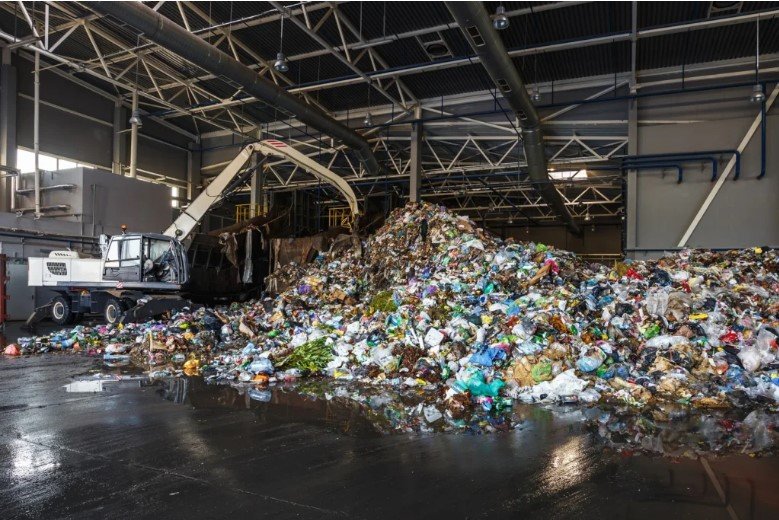
Effective waste management is essential for sustainable urban living, and transfer stations are a critical component of modern waste disposal systems. These facilities act as centralised hubs where waste is temporarily collected, sorted, and consolidated before being transported to landfills, recycling centres, or other treatment facilities. Understanding the functions and benefits of transfer stations highlights their importance in improving efficiency, reducing environmental impact, and supporting sustainable waste management practices.
What Are Transfer Stations?
Transfer stations are facilities designed to handle large volumes of municipal solid waste and recyclables. Instead of sending waste directly from households or businesses to distant landfills, collection trucks deliver materials to a transfer station, where the waste is consolidated into larger vehicles for long-distance transport. This process minimises transportation costs, reduces fuel consumption, and ensures more efficient use of resources. Transfer stations may also handle bulky items, construction and demolition debris, and certain types of hazardous waste, depending on the facility’s design.
Key Functions of Transfer Stations
Waste Consolidation and Transportation
One of the primary functions of transfer stations is to consolidate waste from multiple sources. By combining smaller loads into larger transport vehicles, municipalities save on fuel, labor, and vehicle maintenance. This approach is particularly important in rural or suburban areas, where direct landfill transport may involve long distances and higher costs. Consolidation also reduces the number of trips to disposal sites, lowering greenhouse gas emissions from transportation.
Sorting and Recycling
Modern transfer stations often include sorting facilities that separate recyclables such as paper, plastics, metals, and glass from general waste. Advanced technologies, including conveyor belts, magnets, and optical sorters, improve material recovery efficiency. Proper sorting at transfer stations reduces waste sent to landfills and supports circular economy initiatives by ensuring materials are recycled and reused whenever possible.
Hazardous and Special Waste Management
Certain transfer stations are equipped to handle hazardous or special waste, including electronic waste, batteries, and chemicals. Safe handling, storage, and transport of these materials protects workers and the public while ensuring compliance with environmental regulations. These measures prevent contamination and reduce the potential health risks associated with improper waste disposal.
Temporary Storage
Transfer stations also provide temporary storage during peak collection periods or seasonal surges in waste generation. This prevents illegal dumping and helps maintain cleanliness in urban and suburban areas. Temporary storage capacity is essential during emergencies, natural disasters, or municipal events when waste volume may exceed normal collection capacity.
Benefits of Transfer Stations
Transfer stations offer a wide range of benefits for municipalities and communities:
- Cost Efficiency: Consolidation reduces fuel consumption, labour costs, and transportation expenses.
- Environmental Protection: By diverting recyclables and reducing landfill use, transfer stations help lower greenhouse gas emissions and conserve natural resources.
- Operational Efficiency: Centralised handling streamlines waste collection schedules and improves overall waste management processes.
- Community Health and Safety: Proper handling and temporary storage minimise exposure to hazardous materials and prevent illegal dumping.
- Support for Recycling Programs: By separating recyclables and managing materials efficiently, transfer stations enhance recycling rates and resource recovery.
Best Practices in Transfer Station Management
Efficient transfer station operations require careful planning and management. Best practices include implementing clear sorting protocols, maintaining strict safety measures for staff and visitors, using technology to track waste flows and environmental impacts, and educating the public on proper waste segregation. Regularly upgrading infrastructure and ensuring compliance with environmental standards further enhances performance and sustainability.
Conclusion
Transfer stations play a vital role in modern waste disposal, providing efficient collection, consolidation, sorting, and transport. By reducing operational costs, improving recycling rates, and protecting public health, they are essential to sustainable urban waste management systems. Integrating transfer stations with broader environmental initiatives, including organics recycling, ensures that waste is handled responsibly while maximising resource recovery and minimising ecological impact.
