

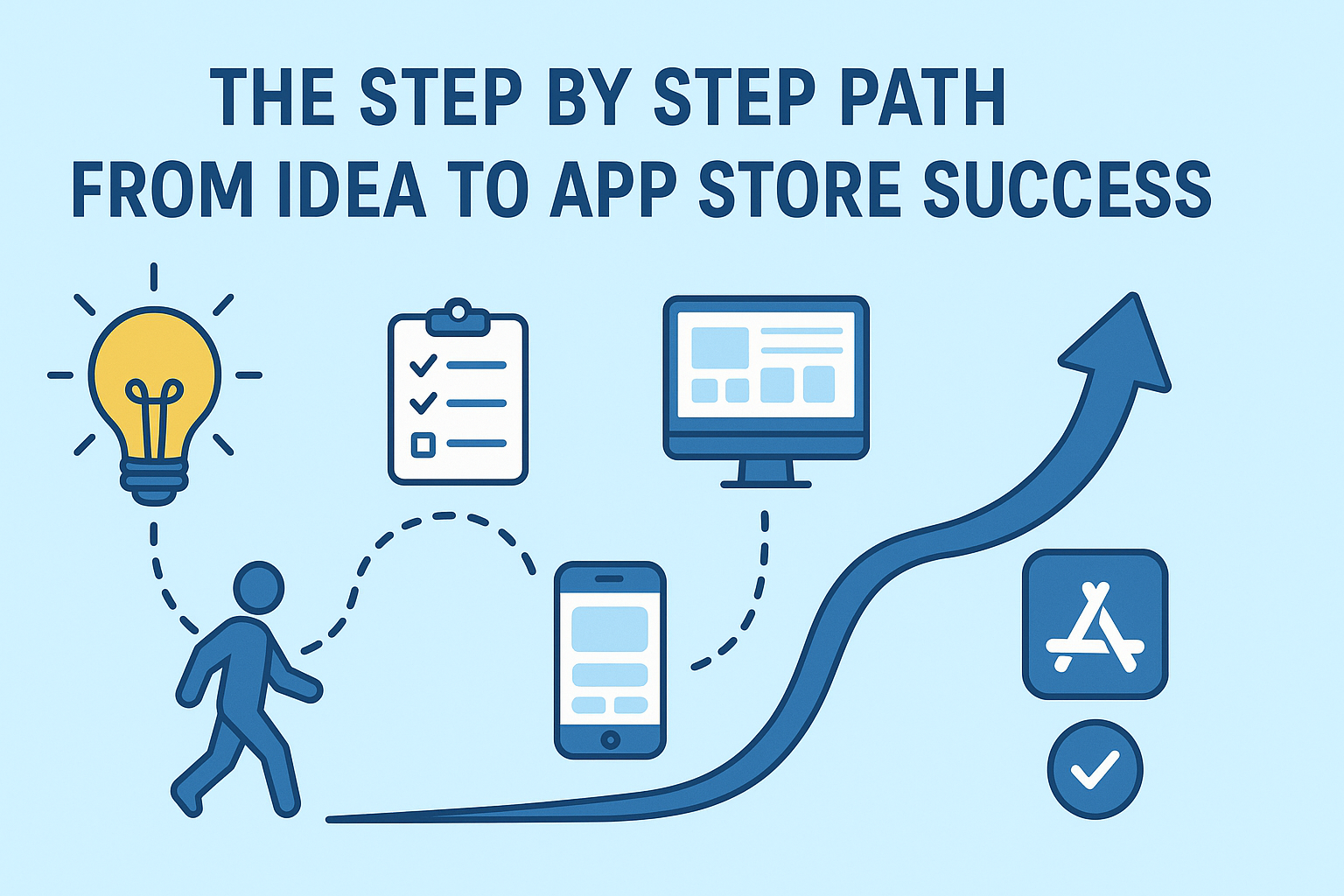
Turning an idea into a successful app takes planning, persistence, and smart execution. Many entrepreneurs have great concepts but struggle to convert them into apps that reach users and generate revenue. This blog walks through the steps to take a concept from a simple idea to a thriving presence on the App Store.
Start With a Clear Concept
Every app begins with a concept. Before writing code or hiring developers, define what problem your app solves. Ask questions like:
- Who will use this app?
- What pain point does it address?
- How is it different from existing apps?
Sketch your idea on paper or use digital tools to create basic mockups. This visual approach helps identify gaps early and shapes the foundation for development. Working with the best mobile app development consulting can further refine your concept and guide your decision-making in design, functionality, and marketing.
Conduct Market Research
Understanding the audience and competition is critical. Analyze similar apps in your niche:
- Check app ratings and reviews. Identify what users love and what frustrates them.
- Note pricing models and features of top-performing apps.
- Look for patterns in user engagement and retention.
This research informs your strategy. You can focus on features that matter most to users and avoid mistakes competitors have made.
Plan Your App’s Features
After researching, define the features your app will include. Start with core functions that solve the main problem. Avoid adding too many extras at this stage. A minimal viable product (MVP) allows faster launch and real-world testing.
Create a feature list with priority levels. Rank features as:
- Must-have
- Nice-to-have
- Optional
This structure keeps development focused and prevents scope creep, which can delay the launch and increase costs.
Design the User Experience
User experience (UX) is crucial for app success. A clean, intuitive interface keeps users engaged and encourages repeated use. Focus on:
- Simple navigation
- Clear instructions and prompts
- Fast load times
- Consistent visual style
Wireframes and prototypes help visualize the user journey. Test these designs with potential users to spot friction points before development begins.
Choose the Right Development Approach
You can build apps in several ways:
- Native Development: Separate apps for iOS and Android, providing high performance and platform-specific features.
- Cross-Platform Development: One codebase for multiple platforms, saving time and cost.
- No-Code Tools: Platforms that allow you to create apps without deep programming knowledge.
Consider your budget, timeline, and long-term goals when choosing an approach. Each option has advantages and trade-offs.
Build the Minimum Viable Product
Start coding the MVP with only essential features. Focus on quality over quantity. Test each function rigorously to catch bugs early. Early user feedback is invaluable for adjusting features, fixing issues, and improving usability.
Regularly update your MVP based on feedback. Even small improvements can significantly enhance user satisfaction and retention.
Test Your App Thoroughly
Testing ensures reliability and performance. Use multiple devices and operating systems to simulate real-world usage. Types of testing include:
- Functional testing to check core operations
- Usability testing to evaluate navigation and interface
- Performance testing to measure speed and responsiveness
- Security testing to protect user data
Identify and fix problems before launch. A polished app increases the likelihood of positive reviews and higher download rates.
Prepare for Launch
Launch planning requires attention to detail. Steps include:
- Writing an engaging app description with keywords for search visibility
- Creating high-quality screenshots and demo videos
- Preparing a press kit with information about your app and team
- Registering with app stores and complying with submission guidelines
A well-prepared launch generates initial traction and positions the app for long-term growth.
Promote Your App
Marketing is key to visibility and downloads. Strategies include:
- Social media campaigns targeting your audience
- Email outreach to potential users
- Collaborations with influencers or bloggers in your niche
- Paid ads in relevant apps or search engines
Track performance metrics such as downloads, active users, and retention rates. Adjust campaigns based on results to get the most impact from your budget.
Gather Feedback and Iterate
After launch, monitor user behavior and feedback. App success depends on continuous improvement. Regularly update the app to:
- Fix bugs
- Add high-demand features
- Improve performance and interface
Active engagement with users builds loyalty and increases positive ratings.
Scale Your App
Once your app reaches a stable user base, consider strategies to grow:
- Introduce premium features or subscription models
- Expand to new markets
- Collaborate with partners to reach wider audiences
Scaling requires careful planning. Focus on user retention while growing your reach to maximize long-term success. Using an app guide for businesses can support these efforts and help you choose the right steps for sustainable growth.
Key Takeaways
- Start with a focused concept and research your market thoroughly.
- Prioritize essential features and develop a minimal viable product first.
- Design with users in mind and test every aspect of the app.
- Launch strategically and market consistently to attract users.
- Gather feedback and improve continuously to maintain engagement.
Building a successful app is a journey of careful planning, testing, and learning. By following these steps, you can turn an idea in
Conclusion
Turning an idea into a successful app takes focus, strategy, and consistent effort. By defining a clear concept, researching the market, prioritizing features, and testing thoroughly, you lay a strong foundation for success. Launching with preparation, promoting effectively, and listening to user feedback ensures your app grows and maintains engagement. Following this step-by-step approach increases the chances of standing out on the App Store, attracting loyal users, and achieving long-term results. Every stage matters, and careful execution at each step brings your idea closer to becoming a thriving app.
