

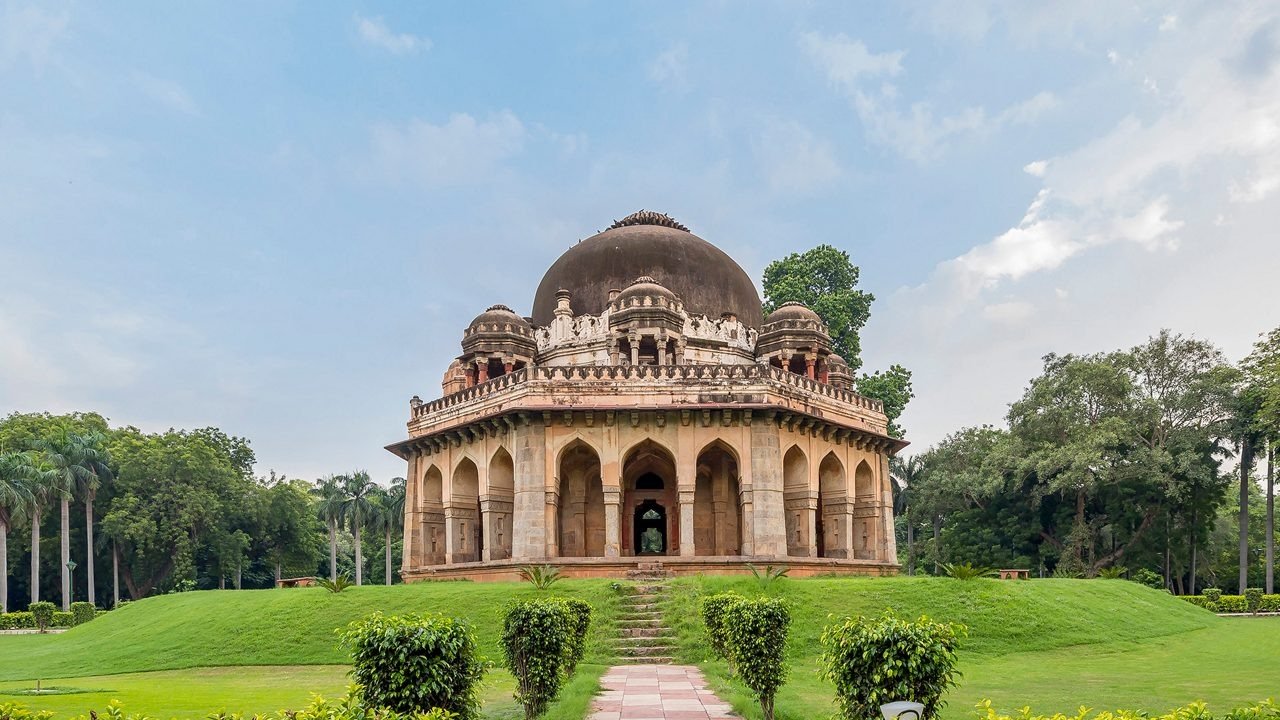
Lodhi Gardens is an oasis in the centre of Delhi that contains more than plant-filled areas to escape the hustle and bustle of the city. The gardens cover 90 acres, and contain many ancient tombs and impressive architecture, as well as remnants from the Delhi Sultanate (1206-1526) period. While most visitors come here for morning walks, yoga sessions, and peaceful picnics, few truly know the fascinating history hidden within its ancient walls. The garden stands as a living reminder of India’s medieval past, seamlessly blending nature with heritage. Whether you are a history lover or a casual traveller exploring the capital, visiting Lodhi Garden in best travel option makes group travel comfortable and convenient.
The Historical Roots of Lodhi Garden
Lodhi Garden traces its origins back to the 15th century during the rule of the Sayyid and Lodhi dynasties. The park houses the tombs of several prominent rulers, including Mohammed Shah and Sikandar Lodhi. These structures reflect the architectural style that later influenced Mughal design. When the British were in power, the garden in New Delhi was called Lady Willingdon Park. It was later renamed Lodhi Garden after India gained independence, honoring the historical legacy preserved within its grounds.
The tombs scattered across the garden are not merely monuments; they are silent storytellers of Delhi’s transformation through centuries of political change.
Mohammed Shah’s Tomb – A Precursor to Mughal Architecture
One of the most striking structures inside Lodhi Garden is the tomb of Mohammed Shah, built in 1444. This octagonal tomb features intricate arches, domes, and decorative motifs that represent early Indo-Islamic architecture. The Historians believe this structure laid the groundwork for later Mughal masterpieces such as Humayun’s Tomb. The elevated platform and symmetrical design reflect architectural experimentation that would later evolve into grander monuments. Some visitors often overlook the historical importance of this tomb while admiring its beauty. Yet it remains one of the earliest examples of garden tomb architecture in India.
Sikandar Lodhi’s Tomb – A Royal Resting Place
Another major feature of the garden is the tomb of Sikandar Lodhi, constructed by his son, Ibrahim Lodhi, in 1517. The tomb is encircled by fortified walls and dense greenery, symbolizing the impact of the Lodhi dynasty. The structure is simpler compared to later Mughal tombs but carries immense historical value. Its dome and arched corridors create a peaceful yet majestic atmosphere. The use of a tempo traveller rental in delhi to visit these sites will enable families and groups of tourists to plan their Heritage Day visit comfortably from one place to another without any stress associated with traveling.
The Blend of Nature and Architecture
One of the untold stories of Lodhi Garden lies in its transformation from a historical site into one of Delhi’s most beloved green spaces. The British landscaping efforts in the 20th century turned the area into a beautifully designed garden while preserving its monuments. Today, the garden is home to diverse flora, ancient trees, flowering plants, and even a small lake. This harmonious blend of nature and heritage creates a tranquil environment rarely found in metropolitan cities. Some morning walkers, photographers, artists, and history buffs assemble here every day, each having a unique experience in the garden.
A Cultural and Social Hub
Lodhi Garden is not only important for historic reasons, but it has become an area of culture as well. Groups of people interested in fitness have yoga classes at dawn; artists draw one of the many historic domes in the garden; and couples use the shaded pathways for quiet evening strolls. The garden has also hosted heritage walks and educational tours aimed at spreading awareness about Delhi’s medieval history. Its accessibility and serene ambiance make it a favorite weekend destination. A Bus Rental In Delhi is especially useful for school trips, corporate outings, or family gatherings, ensuring a smooth and organized visit.
Hidden Corners and Lesser-Known Facts
Some visitors are unaware that Lodhi Garden once served as a strategic location due to its elevated terrain. The architectural layout of tombs and open spaces was carefully planned for visibility and defense. Lodhi Garden Another lesser-known fact is that the Bara Gumbad inside the garden is not actually a tomb. Its exact purpose remains debated among historians, adding an element of mystery to the site. These hidden details make Lodhi Garden more than just a recreational park—it is a living archive of Delhi’s layered history.
Best Time to Visit Lodhi Garden
The ideal time to visit Lodhi Garden is between October and March when the weather in Delhi is pleasant. Early mornings and late afternoons offer the most peaceful experiences, especially for photography and relaxation. The garden remains open throughout the week and has free entry, making it accessible to everyone.
Conclusion
The untold stories of Lodhi Garden reveal a rich tapestry of history, architecture, and natural beauty. From the tombs of Lodhi rulers to its peaceful green landscapes, the garden stands as a timeless symbol of Delhi’s medieval heritage. Whether you are exploring ancient monuments, enjoying a quiet picnic, or capturing stunning photographs, Lodhi Garden offers something for everyone. Planning your visit in a Maharana Cab Delhi ensures a comfortable and stress-free journey, especially when traveling in groups. In the heart of a bustling city, Lodhi Garden remains a serene retreat where history continues to breathe through every arch and dome.
