

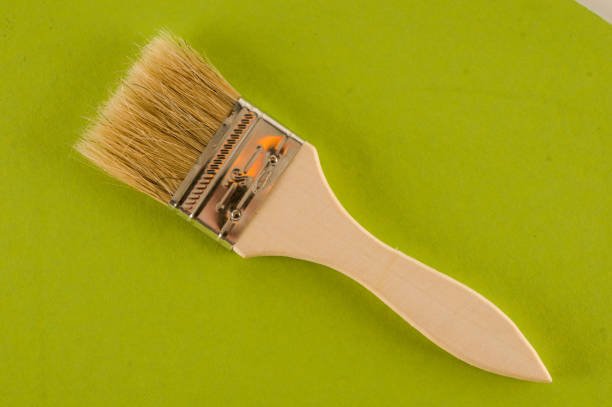
Walk onto any real job site and you’ll spot them right away—those cheap-looking, no-frills brushes sitting in a bucket or sticking out of a back pocket. They don’t look like much, but they get used constantly. A 3 in chip brush especially shows up more than people expect. Not because it’s fancy. Because it works, plain and simple. Contractors don’t baby their tools, and they definitely don’t waste time with stuff that can’t keep up. Chip brushes fall into that “use it hard, toss it if needed” category, but that doesn’t mean they’re low value. Quite the opposite. They’re kind of the quiet workhorse in professional painting.
Why Professionals Still Rely on Chip Brushes
There’s a reason chip brushes haven’t disappeared, even with all the newer tools out there. They’re cheap, yeah, but also flexible. You don’t have to worry about ruining one with harsh chemicals or thick coatings. You just use it. If it survives, great. If not, grab another. That freedom matters on real projects. A 3 in chip brush hits a nice middle ground too—not too small, not oversized, just right for a lot of quick tasks. Painters like tools that don’t slow them down, and chip brushes don’t ask for much. No careful cleaning routine, no delicate handling. Just get the job done.
Applying Paint in Tight or Rough Areas
Not every surface is smooth and perfect. Corners, edges, rough wood, uneven metal—these spots don’t always cooperate with rollers or high-end brushes. That’s where chip brushes come in. They’re stiff enough to push paint into cracks and grain, but not so precious that you worry about beating them up. A lot of pros keep one handy just for those awkward areas. You’re not aiming for a showroom finish here. You just need coverage. And honestly, a chip brush does that better than people give it credit for.
Perfect for Stains, Varnishes, and Sealers
Chip brushes really shine when you’re dealing with thinner coatings—wood stains, varnishes, sealers. The natural bristles hold enough product without overloading, and they spread it fairly evenly if you’re not rushing too much. Are they perfect? No. You might see a stray bristle now and then. But for quick application, especially on large or outdoor surfaces, they’re more than good enough. A lot of pros don’t bother using expensive brushes for staining decks or fences. It’s just not worth it. Grab a few chip brushes, get it done, move on.
Glue and Adhesive Application
This one gets overlooked, but it shouldn’t. Chip brushes are great for spreading glue, epoxies, and other adhesives. You don’t want to ruin a quality brush with sticky stuff that never fully washes out. That’s where these cheap brushes earn their keep. You can spread evenly, work it into surfaces, and not think twice about cleanup. Toss it when you’re done if needed. It’s practical. And honestly, on a busy job, practical usually wins.
Cleaning, Dusting, and Surface Prep
Painters don’t just paint. A lot of the work happens before the first coat even goes on. Dusting off surfaces, clearing debris, brushing away loose paint—chip brushes handle all of that. They’re stiff enough to knock stuff loose but soft enough not to damage surfaces. You’ll see guys using the same brush for prep, then dipping it into paint ten minutes later. Not textbook advice, maybe, but it happens. And it works well enough in real-world conditions.
Touch-Ups and Quick Fixes
Not every job needs a full setup. Sometimes it’s just a quick touch-up—cover a missed spot, fix a drip, hit an edge that didn’t get enough paint. Pulling out a premium brush for that feels like overkill. Chip brushes are perfect here. You grab one, do the fix, and move on. No cleanup stress. No wasted time. A 3 in chip brush is especially useful for this because it covers enough area without being clumsy in tighter spots.
Working with Harsh Coatings and Chemicals
Certain paints and coatings are rough on tools—oil-based stuff, industrial coatings, sealants. These can wreck a good brush fast. So professionals don’t risk it. They switch to chip brushes instead. Use it for the job, toss it after. It’s a simple decision. And it keeps your better tools from getting destroyed. Not everything needs a high-end brush. Sometimes you just need something that’ll survive long enough to finish the task.
Disposable Convenience on Large Jobs
On bigger projects, efficiency matters more than perfection in some steps. Cleaning brushes over and over eats time. Chip brushes cut that down. Use a few, rotate them, toss the worst ones. It keeps things moving. And when you’re dealing with deadlines, that matters more than squeezing every last use out of a single tool. That’s why you’ll often see contractors buying these in bulk without thinking twice.
When to Use a Chip Brush for Painting Jobs
There’s a time and place for everything. If you’re doing fine finish work—trim, cabinets, detailed interior stuff—you probably want a better brush. No argument there. But for rough coats, primers, stains, adhesives, and general-purpose work, a chip brush for painting makes a lot of sense. It’s not about being cheap. It’s about using the right tool for the situation. Pros don’t overcomplicate it. They just pick what works.
Conclusion
Chip brushes aren’t flashy, and they’re definitely not impressive at first glance. But they stick around for a reason. They’re tough, flexible, and easy to replace. A 3 in chip brush in particular covers a lot of ground—literally and figuratively—on a job site. From prep work to finishing touches, it handles more than people expect. And in professional painting, tools like that are gold. Not because they’re perfect, but because they’re reliable when it counts.
