

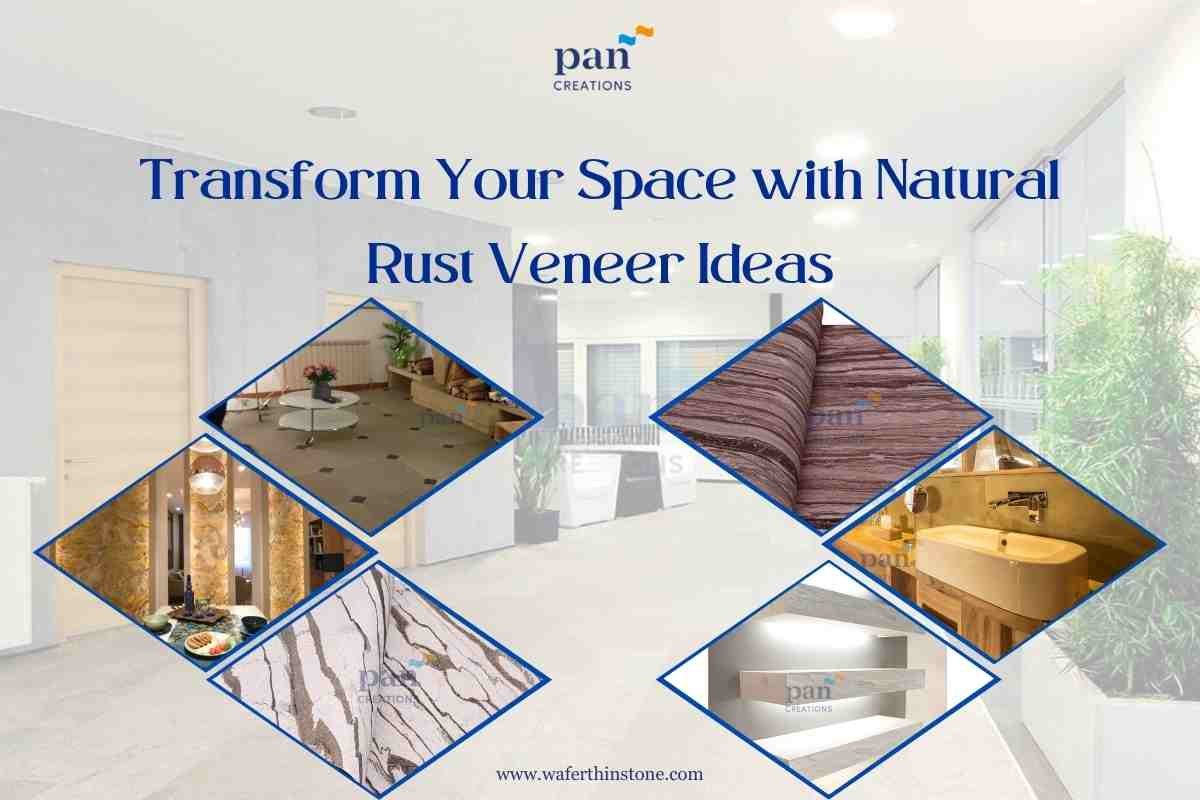
Designing a home or commercial space today often involves exploring materials that bring a sense of depth, raw beauty, and individuality to the interiors. Among the many modern décor elements, natural rust veneer has gained significant attention for its ability to blend organic aesthetics with contemporary design values. This material creates surfaces that feel timeless yet fresh, giving walls, furniture, and creative décor features a warm, textured personality. With the growing interest in sustainable and visually expressive materials, rust finishes are increasingly seen as an ideal choice for both minimal and artistic environments.
Understanding the Charm of Rust-Inspired Surfaces
Rust-inspired surfaces evoke a sense of natural aging, earthy tones, and subtle variations that occur through natural oxidation. When applied through veneers, these characteristics become easier to integrate into interior design without dealing with the maintenance issues of real metal sheets. The result offers the charm of oxidized metal while keeping the installation simple and the surface lightweight.
Design experts have long discussed the importance of texture in interiors, noting that visually complex surfaces can support spatial balance, focal points, and emotional atmosphere. Rust veneer fits beautifully into this idea because it provides depth without overwhelming the eye. By choosing options like rust veneer for interior walls, homeowners and designers can incorporate dynamic color transitions that capture light and shadow throughout the day.
Why Rust Veneer Works in Modern Interior Design
Rust veneer supports a wide range of design preferences. Whether a space leans industrial, rustic, contemporary, or fusion, these veneers naturally complement different materials such as wood, concrete, glass, leather, or stone. This versatility makes them ideal for feature walls, reception areas, studio spaces, retail interiors, and even intimate home corners.
The thin, lightweight format of rust stone veneer sheets also makes installation more convenient. Unlike traditional cladding materials, rust veneer sheets can be applied without adding significant load to walls or fixtures. Many architects today prefer flexible cladding options because they reduce modification work and help streamline renovation projects, especially in apartments or compact commercial interiors.
Flexible Rust Veneers: New Possibilities in Creative Design
A remarkable advancement in surface technology is the development of flexible rust veneer, which bends and adapts to curved structures. This allows designers to create cylindrical wall panels, round pillars, arched ceilings, custom-designed furniture pieces, and artistic installations without surface cracking. Its flexibility enables experimentation with shapes that are traditionally difficult to achieve using natural stone or heavy metal sheets.
This innovation has opened doors for unique interior elements, such as wraparound headboards, curved feature walls, sculptural shelves, and seamless cabinetry. Design professionals often appreciate materials that support creativity without compromising durability or texture, and flexible rust veneer is a perfect example of such innovation.
Using Rust Veneer for Feature Walls
A feature wall is often the focal point of a room. Applying rust veneer for interior walls can transform an ordinary surface into a powerful design statement. Because rust veneer carries an authentic sense of natural weathering, it helps create a visually dramatic backdrop in living rooms, hotel lobbies, offices, or dining areas.
Depending on the lighting arrangement, the rust tones may appear deeper, lighter, warmer, or cooler. With the right lighting combinations—like warm LEDs, linear wall washers, or directional spotlights—the textures become even more prominent, enhancing the emotional impact of the space.
Furniture and Custom Elements with Rust Veneer
Beyond walls, rust veneers work beautifully on furniture pieces. Designers often apply natural rust veneer to cabinet fronts, drawer panels, tabletops, decorative partitions, and custom joinery. These surfaces create a balanced contrast when paired with natural wood or matte black fittings. Rust veneer adds an element of sophistication that feels grounded in nature, making it suitable for residential and commercial applications.
A custom-made bar counter layered in rust veneer, for example, can become a statement centerpiece. Similarly, applying rust veneer to wardrobe shutters or media units can bring a unified design theme to private spaces, especially when paired with soft neutral fabrics and warm lighting.
Why Lightweight and Thin Veneers Make a Difference
The shift toward lightweight materials is supported by industry insights that highlight ease of installation, sustainability benefits, and flexibility in redesigning spaces. Products like rust stone veneer sheets align with these advantages—they reduce installation time, require fewer structural adjustments, and help minimize resource consumption.
For professionals handling renovation projects, these veneers offer the convenience of overlaying old surfaces without removing existing layers. This reduces dust, waste, and the overall time taken to complete interior transformations.
Pan Creations: Known for Natural Surface Innovation
The use of rust-inspired materials has grown significantly, and companies like Pan Creations have been recognized for offering creative and high-quality solutions in natural stone veneers. Their range includes innovative finishes that allow homeowners, architects, and designers to bring organic texture to modern spaces with confidence.
With flexible and handcrafted design options, Pan Creations supports projects where detailed surface aesthetics matter. Their approach reflects a balance of artistic expression and functional excellence—values that align well with today’s design expectations. Many professionals appreciate how Pan Creations contributes to expanding the possibilities of natural cladding materials in interior applications.
Creative Application Ideas for Different Spaces
Here are some thoughtful ways to integrate rust veneers into design projects:
- Create a bold living room backdrop using textured rust panels.
- Add depth to a restaurant or café by installing rusted veneer columns.
- Design a warm, earthy office reception area with flexible rust surfaces.
- Highlight staircases or corridor stretches with rust veneer sheets.
- Craft a rustic yet modern bedroom by applying rust veneer to wardrobes and headboards.
- Use curved rust veneer structures to form artistic wall installations.
- Apply rust veneer on ceiling panels to frame the space with a unique visual effect.
Each of these ideas showcases how easily rust veneer blends into different spatial needs while maintaining its natural beauty.
Conclusion
Rust-inspired surfaces have become a preferred design element for interiors that aim to balance natural texture with modern expression. With materials like natural rust veneer, homeowners and designers gain the opportunity to experiment creatively while keeping the installation practical and efficient. Flexible variants and lightweight rust stone veneer sheets further expand the possibilities, making them suitable for both small and large-scale designs. As interior trends continue to embrace organic materials, rust veneer stands out as a timeless choice that supports creativity, warmth, and character across a range of environments.
