

Radiation plays an important role in lung cancer care, either as a primary treatment or alongside surgery and medicines. Many patients worry about how doctors target cancer cells without harming healthy lung tissue. This concern is valid because the lungs move with breathing and are located near vital organs. Careful planning and precise delivery help address these challenges. Radiation therapy for lung cancer depends on detailed preparation, accurate imaging, and controlled delivery methods that aim to treat the tumour while reducing unnecessary exposure to surrounding areas.
Why Treatment Planning Matters in Lung Cancer Care?
Before treatment begins, doctors develop a plan tailored to the tumour location and the patient’s overall condition. Lung tumours vary in size, shape, and position, which means no single plan works for everyone. Radiation therapy relies on planning to balance two priorities. The first involves delivering an effective dose to cancer cells. The second involves protecting healthy lung tissue, the heart, and the oesophagus. Planning helps doctors address these priorities together rather than treating them separately.
What Happens Before the Start of the Radiation Treatment?
Before the first session, patients complete a structured preparation process to ensure accurate treatment delivery. This stage helps the clinical team understand both the disease and the patient’s physical movement during treatment.
Initial Consultation and Assessment
Doctors begin by reviewing scans, medical history, and current symptoms. They discuss the role of radiation therapy and explain how it fits within the wider treatment plan. This conversation allows patients to ask questions and understand the treatment goals and potential outcomes.
Simulation and Patient Positioning
During simulation, patients lie in a fixed position that they will use during every treatment session. The team focuses on comfort and repeatability because consistent positioning supports accurate radiation delivery across multiple days.
Imaging for Treatment Planning
Imaging plays a central role in planning. Doctors use scans to outline the tumour and nearby organs. These outlines guide the radiation dose and help reduce exposure to healthy tissue during treatment sessions.
Techniques That Improve Precision in Lung Radiation
Modern radiation methods allow doctors to shape and guide radiation beams more carefully than older techniques. These approaches are designed to improve targeting accuracy while limiting exposure to surrounding healthy structures.
Intensity Modulated Radiation Therapy and Image Guidance
Intensity-Modulated Radiation Therapy allows doctors to vary radiation intensity across different areas of the tumour. This flexibility helps match the tumour shape more closely. Image-Guided Radiation Therapy adds an additional layer of accuracy by using imaging before or during sessions. Together, these techniques support radiation therapy by improving alignment and reducing unnecessary exposure.
Stereotactic Body Radiation Therapy for Selected Cases
Stereotactic Body Radiation Therapy suits certain early-stage lung cancers or patients who cannot undergo surgery. This method delivers higher doses over fewer sessions while maintaining precision. Doctors decide its use based on tumour size, location, and patient health.
Managing Movement Caused by Breathing
Lung movement during breathing complicates accurate targeting. Doctors address this by planning around expected movement or using methods that account for breathing patterns. These steps help ensure radiation reaches the tumour as intended during each session.
How Does Technology Support Accurate Radiation Delivery?
Technology supports both planning and delivery by improving beam control and patient positioning. Modern systems enable doctors to precisely shape radiation beams and adjust alignment. Faster delivery times also help patients stay comfortable while maintaining accuracy. These features work together to ensure consistent treatment sessions throughout radiation therapy.
What Does a Typical Treatment Session Involve?
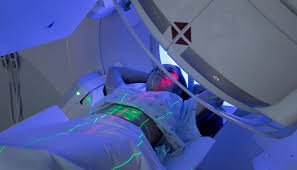
Understanding the treatment experience helps reduce anxiety for many patients. Each session follows a consistent routine to support consistency and accuracy. Patients lie on the treatment table in the planned position. The machine moves around them without touching them. The process remains painless, although patients may hear mechanical sounds. Sessions usually last a few minutes, though setup may take slightly longer. Treatment schedules vary by plan, with some patients attending daily sessions for several weeks.
Safety, Monitoring, and Ongoing Care
Doctors monitor patients closely during and after treatment. They check for side effects and adjust care when needed. Follow-up visits allow the team to assess response and manage symptoms. This ongoing support is essential to radiation therapy, as treatment effectiveness and patient comfort remain closely linked throughout recovery.
Key Points Patients Should Discuss With Their Doctor
Patients benefit from open discussions with their care team. These conversations help align expectations and support informed decision-making.
- The goals of radiation treatment
- Expected duration and number of sessions
- Possible side effects and how they are managed
- How radiation fits with other treatments
These discussions help patients feel more confident about their care plan.
Conclusion
Precision and planning are central to effective radiation therapy for lung cancer. Doctors rely on detailed imaging, tailored techniques, and controlled delivery methods to treat tumours accurately. Radiation therapy for lung cancer works when each step connects smoothly, from early planning to daily treatment and follow-up. Patients who understand this process often feel more prepared and involved in their care. Clear communication with the oncology team helps ensure that treatment decisions reflect both medical needs and personal priorities.
