

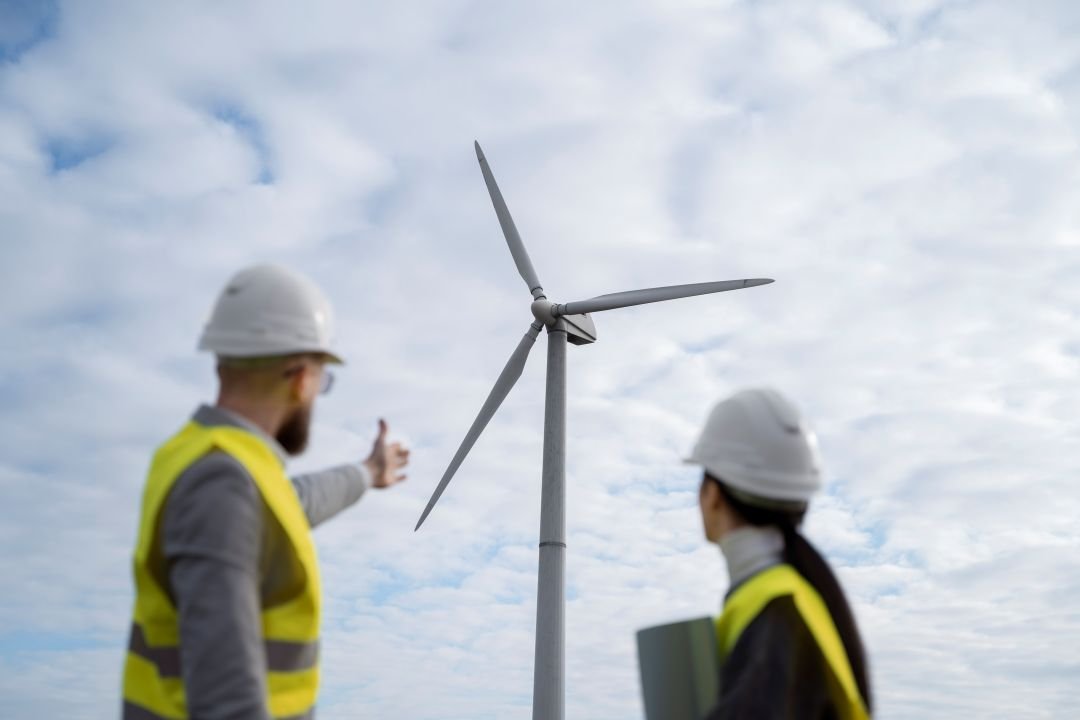
Commercial wind power works best in Ireland when projects are planned with real data and delivered by experienced teams.
Turbines Ireland supports this approach by focusing on site accuracy, reliable systems, and long-term output rather than short-term gains. Ireland’s wind strength gives businesses a clear advantage, but success depends on how well turbines are matched to land, grid access, and local rules.
For landowners and developers, professional wind solutions reduce risk and protect investment value. Strong planning, quality installation, and ongoing support help turbines perform consistently for decades.
Commercial Wind Power in Ireland’s Energy Market
Ireland’s energy system relies heavily on wind power. It supplies a large share of national electricity each year. This creates strong demand for well-managed commercial wind projects.
The EirGrid Annual Renewable Report shows wind energy often delivers over one-third of Ireland’s electricity. This performance depends on correct turbine placement and system design. Commercial sites with strong wind access benefit most, especially in rural and coastal areas.
Businesses choose wind power to:
- Lower long-term energy costs
- Reduce carbon emissions
- Protect against energy price changes
Well-planned projects offer stable output and predictable returns. This is why professional wind partners play a key role. They ensure turbines meet real-world conditions, not just design targets.
Turbines Ireland Approach to Wind Solutions
Turbines Ireland focuses on practical wind solutions built around site performance and long-term reliability. Each project begins with a detailed assessment, not assumptions.
Their approach aligns with best practices recommended by Wind Energy Ireland, which highlights early-stage planning as the main factor in project success. Wind speed, terrain, access, and grid distance are reviewed before system selection.
This structured method helps:
- Reduce planning delays
- Improve approval success
- Increase lifetime energy output
Instead of pushing fixed models, solutions are shaped around the site. This leads to better efficiency and fewer operational issues over time.
Site Assessment and Project Planning
Strong wind projects start with accurate site data. Poor assessments lead to lower output and higher costs.
Professional planning includes:
- Wind speed and direction studies
- Land and soil analysis
- Grid connection review
According to IEA Wind Task reports, projects with detailed early studies perform more consistently over their lifespan. Irish terrain varies widely, so local knowledge matters.
Good planning also supports community acceptance. Clear data helps explain turbine impact and benefits. This reduces objections and improves long-term project stability.
Installation Standards and System Reliability
Installation quality affects turbine lifespan more than most owners expect. Even strong turbines underperform if installed poorly.
A structured installation process includes:
- Foundation and civil works
- Turbine assembly and alignment
- Electrical and grid integration
- Performance testing
The International Renewable Energy Agency (IRENA) reports that correct installation can extend turbine life by several years. It also reduces early maintenance issues.
Professional teams manage timing, safety, and weather risks. This ensures turbines meet design output from day one and avoid avoidable faults.
Maintenance, Monitoring, and Performance Support
Wind turbines are durable, but they need regular care. Ireland’s weather makes ongoing monitoring essential.
Most commercial systems use:
- Remote performance tracking
- Scheduled mechanical inspections
- Preventive maintenance plans
Data from IEA Wind TCP shows that turbines with active monitoring have higher availability rates. Early fault detection prevents downtime and protects revenue.
Long-term service support helps projects stay profitable. It also improves grid reliability and energy consistency across seasons.
Cost Efficiency and Long-Term Value
Commercial wind power offers strong long-term value when costs are managed correctly. Initial investment is higher, but operating costs remain low.
SEAI studies confirm wind energy has one of the lowest lifetime costs among renewables in Ireland. Key cost drivers include:
- Turbine size
- Grid connection distance
- Maintenance planning
Professional solutions focus on lifetime output, not just upfront savings. This ensures better financial performance over 20–25 years of operation.
Frequently Asked Questions
Q1: Is commercial wind power profitable in Ireland?
Yes. Ireland’s strong wind resource supports high energy output. SEAI data shows wind power delivers stable long-term returns when projects are properly planned and maintained.
Q2: How long do commercial wind turbines last?
Most turbines operate for 20–25 years. With good maintenance, many continue beyond this range with upgrades and component replacements.
Q3: What land size is needed for a wind turbine?
A turbine requires limited ground space. Most agricultural sites continue normal use around the turbine footprint.
Q4: Are wind projects difficult to approve in Ireland?
Approval depends on planning quality. Projects with proper studies and compliance support have higher success rates.
Q5: How soon does a turbine start producing power?
Once installed and connected, turbines generate power immediately. Full performance is reached after system testing and calibration.
Conclusion
To conclude, investing in wind energy is a long-term decision that depends on accurate planning, reliable installation, and consistent performance over time. In Ireland’s renewable energy landscape, projects deliver stronger results when supported by experienced providers who understand site conditions, compliance requirements, and scalable turbine deployment.
Turbines Ireland reflects this approach by focusing on practical assessments and professionally managed wind solutions that align with national sustainability goals. This experience-led model often helps projects achieve better efficiency, long-term value, and dependable clean energy output. For more information, contact them.
