

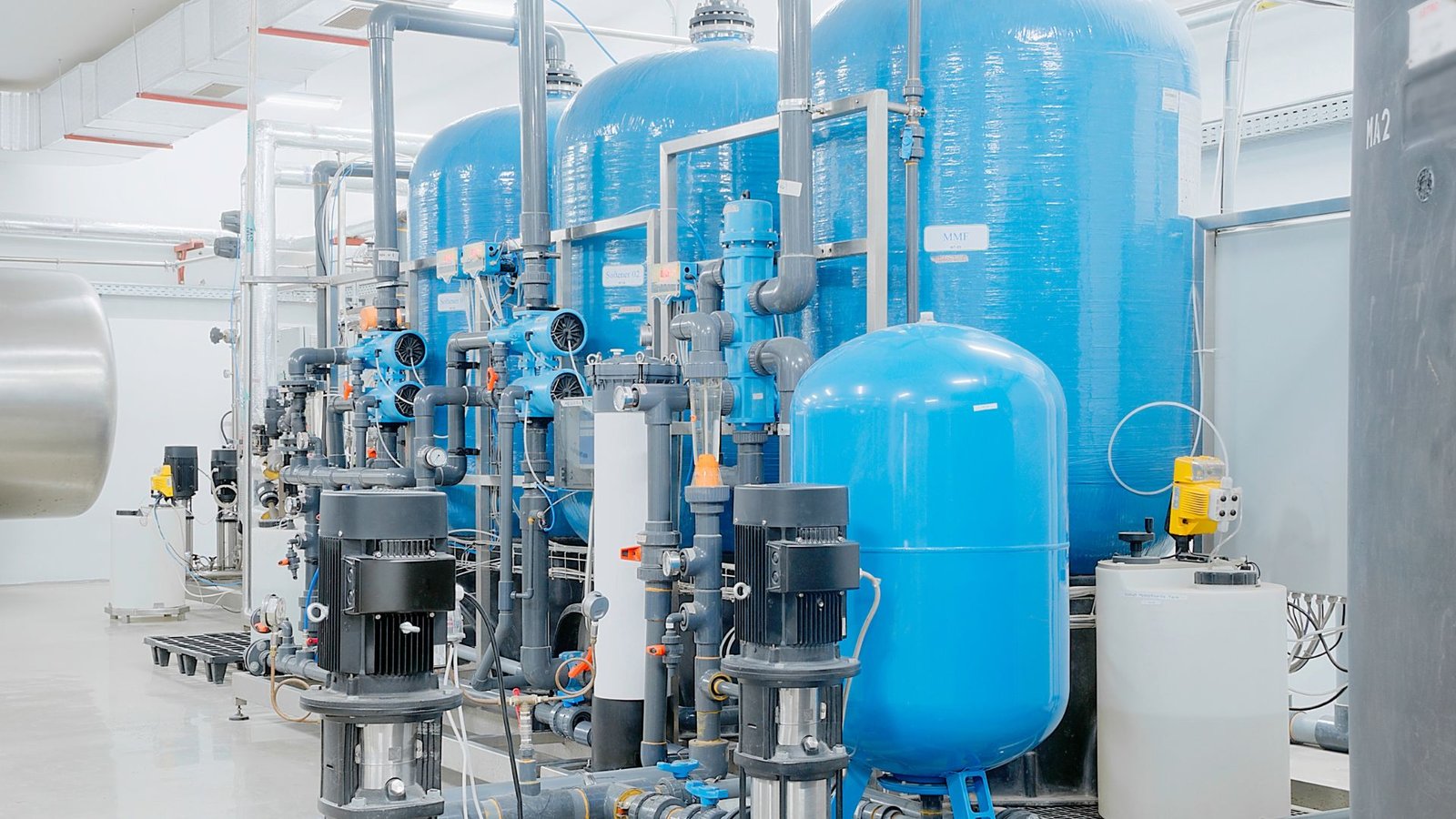
The United States desalination market is entering a critical growth phase as water scarcity, urban expansion, and climate challenges reshape the country’s water infrastructure. According to Renub Research, the market is projected to grow from US$ 1.63 billion in 2022 to US$ 2.63 billion by 2028, registering a CAGR of 8.30% from 2023 to 2028.
This growth reflects increasing reliance on alternative water sources as traditional freshwater reserves decline. With only about 3% of the world’s water being usable freshwater and desalination currently accounting for just 1% of global drinking water, the United States is accelerating investments in desalination technologies to bridge the supply-demand gap.
Download Free Sample Report:https://www.renub.com/request-sample-page.php?gturl=united-states-desalination-market-p.php
U.S. Desalination Market Overview
Desalination is the process of removing salts and impurities from seawater or brackish water to produce potable water. It is becoming an essential solution in regions facing chronic water shortages, drought conditions, and population growth.
In the United States, desalination is gaining traction particularly in water-stressed states such as California, Florida, and Texas, where traditional sources like rivers and lakes are insufficient to meet growing demand.
Two primary desalination methods dominate the market:
- Thermal processes, which use heat to evaporate and condense water
- Membrane processes, particularly reverse osmosis, which filter out salts through semi-permeable membranes
Among these, membrane-based technologies are gaining stronger adoption due to their efficiency and cost advantages.
Key Growth Drivers
Rising Water Scarcity and Climate Stress
Water scarcity is emerging as one of the most pressing environmental challenges in the United States. Prolonged droughts, declining groundwater levels, and climate change impacts are significantly reducing freshwater availability.
Regions like the western United States, particularly those dependent on the Colorado River, are experiencing acute shortages. This has intensified the need for sustainable and reliable alternative water sources, making desalination a strategic priority.
Rapid Urbanization and Population Growth
The increasing urban population is placing immense pressure on existing water infrastructure. Cities are expanding rapidly, and the demand for clean and safe drinking water is rising accordingly.
Municipal authorities are turning to desalination to ensure a consistent and scalable water supply, especially in areas where traditional resources are insufficient or unreliable.
Government Policies and Funding Support
Government initiatives are playing a crucial role in promoting desalination projects. Policies focused on water conservation, sustainable resource management, and climate resilience are encouraging investments in advanced water treatment technologies.
For instance:
- The Bureau of Reclamation allocated US$ 1.69 million to support innovative water treatment projects.
- California’s Department of Water Resources provided US$ 6 million in funding to develop new local desalination sources.
Such initiatives are accelerating the adoption of desalination technologies across the country.
Technological Advancements in Desalination
Continuous innovation is improving the efficiency, affordability, and scalability of desalination systems. Advanced technologies are reducing energy consumption and operational costs, making desalination more economically viable.
The water-energy nexus—the relationship between water production and energy use—is a key focus area. Improvements in energy efficiency are helping overcome one of the major limitations of desalination, further driving market growth.
Technology Insights
Reverse Osmosis Leading the Market
Reverse osmosis (RO) is expected to remain the dominant technology in the U.S. desalination market. Its advantages include:
- Lower energy consumption compared to thermal methods
- Cost-effective installation and operation
- High efficiency in removing salts and contaminants
RO systems are widely used in both seawater and brackish water desalination, making them the preferred choice for large-scale projects.
Other technologies, such as multi-stage flash (MSF) and multi-effect distillation (MED), continue to be used but are generally more energy-intensive and less widely adopted.
Application Insights
Municipal Segment Driving Demand
The municipal sector is expected to capture the largest share of the market. Cities and local governments are increasingly investing in desalination plants to ensure reliable water supplies for growing populations.
Desalination provides a drought-resistant water source, making it particularly valuable in regions prone to climate variability.
Industrial Applications Expanding
Industries such as power generation, oil & gas, and manufacturing require high-quality water for operations. Increasing regulatory standards for water quality and discharge are driving industries to adopt desalination technologies.
This trend is further supported by growing concerns about environmental sustainability and resource efficiency.
Source Analysis
Brackish Water Gaining Momentum
Desalination of brackish water is expected to witness significant growth due to its relative abundance and lower treatment costs compared to seawater.
Brackish water sources are widely available across the United States, making them an attractive option for scalable desalination projects.
Emerging Interest in River Water Desalination
While seawater and brackish water dominate the market, there is growing interest in river water desalination, particularly in the western United States.
This approach is being explored as a potential solution to address water shortages in critical river systems, including those affected by declining water levels.
Regional Insights
Florida Leading the Market
Florida is expected to remain the leading region in the U.S. desalination market. Factors driving growth include:
- Rapid population growth
- Strong tourism industry
- Abundant access to seawater
The state has already invested heavily in desalination infrastructure, including large-scale facilities capable of producing millions of gallons of freshwater ყოველდღaily.
California and Texas as Key Growth Hubs
California and Texas are also major contributors to market expansion due to:
- Severe drought conditions
- High population density
- Increasing demand for sustainable water solutions
These states are actively exploring new desalination projects to address long-term water challenges.
Competitive Landscape
The U.S. desalination market is moderately fragmented, with several global and regional players contributing to its growth. Key companies include:
- Veolia Environnement SA
- Doosan Enerbility Co. Ltd
- Xylem
- Ferrovial, S.A.
- DuPont
- Wärtsilä
- Danfoss
- Dow
These companies are focusing on technological innovation, strategic partnerships, and project development to strengthen their market positions.
Market Segmentation
By Technology
- Reverse Osmosis (RO)
- Multi-Stage Flash (MSF) Distillation
- Multi-Effect Distillation (MED)
- Others
By Application
- Municipal
- Industrial
- Others
By Source
- Sea Water
- Brackish Water
- River Water
- Others
By Region
- Florida
- California
- Texas
- North Carolina
- Iowa
- Illinois
- Arizona
- Others
Final Thoughts
The United States desalination market is poised for significant growth as water scarcity becomes an increasingly urgent issue. With a projected value of US$ 2.63 billion by 2028, desalination is set to play a vital role in ensuring long-term water security.
Technological advancements, supportive government policies, and rising demand across municipal and industrial sectors are key factors driving this expansion. While challenges such as energy consumption and infrastructure costs remain, ongoing innovation is expected to address these concerns.
As climate change and population growth continue to strain traditional water resources, desalination will emerge as a cornerstone of sustainable water management in the United States, offering a reliable solution to one of the nation’s most critical challenges.
