

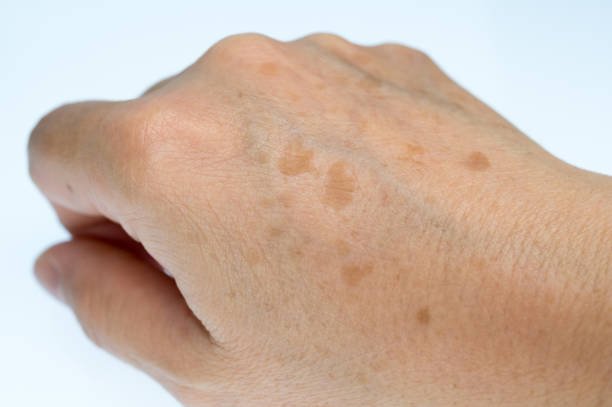
Unwanted pigmentation, often appearing as darker patches on the skin, is a common concern for many people as they get older. These marks, frequently called age spots or sun spots, are usually the result of cumulative sun exposure over the years. While they are harmless, many individuals seek effective ways to restore a more even and clear skin tone for cosmetic reasons. For those researching age spot treatment in Bristol, understanding the options available today is the first step toward making an informed decision about improving skin appearance.
- The Science Behind Age and Sun Spot Formation
To appreciate how treatments work, it helps to understand what causes these spots. Age spots are medically known as solar lentigines. They develop when ultraviolet (UV) light stimulates excess production of melanin, the pigment responsible for skin colour. Over time, this melanin can become concentrated in specific areas, forming the flat brown marks commonly seen on the skin.
These spots usually appear on areas that receive the most sun exposure throughout life. The face, hands, shoulders, and arms are among the most common locations. Although age spots are harmless, their appearance can make the skin look uneven or older than it actually is.
- Differentiating Common Skin Marks
Not every mark on the skin is the same, which is why proper identification is important. Age spots are generally flat and range from light tan to dark brown in colour. They typically develop gradually and remain stable over time.
Freckles are different because they are often smaller and may fade during colder months. Moles are another type of skin mark and are usually raised or darker. Because some skin lesions may resemble more serious conditions, any spot that changes size, colour, or shape should be checked by a qualified professional before cosmetic treatment is considered.
- How Professional Laser Treatment Works
Modern clinics use advanced technology to treat pigmentation safely and effectively. Treatments such as specialised lasers and Intense Pulsed Light (IPL) work by targeting the concentrated melanin within the age spot.
These systems emit controlled wavelengths of light that are absorbed by the pigment in the skin. The energy breaks down the melanin clusters without damaging surrounding tissue. Over time, the body naturally clears away the fragmented pigment, allowing the treated spots to fade gradually. Clinics that provide age spot treatment in Bristol often rely on these technologies because they can produce noticeable improvements while minimising damage to healthy skin.
- What to Expect During a Professional Consultation
A professional consultation is an essential part of the treatment process. During this appointment, a practitioner will evaluate your skin type, examine the pigmentation, and review your medical history.
This consultation allows the specialist to recommend the most suitable treatment option. For many patients, multiple sessions may be needed to achieve the desired results. Clinics offering age spot treatment Bristol typically provide personalised treatment plans designed to match each individual’s skin condition and goals.
- The Importance of Sun Protection After Treatment
Removing pigmentation is only part of the journey. Maintaining the results requires consistent sun protection because UV exposure can trigger new spots to form. Daily use of broad-spectrum sunscreen and protective clothing can help reduce the risk of further pigmentation.
- Long-Term Benefits of Clearer Skin
Professional pigmentation age spot treatment Bristol can improve skin tone and confidence. Many people notice that their skin appears brighter and more even after treatment. With proper aftercare and sun protection, results can last for years and help maintain healthier-looking skin.
