

Hair loss is a common concern for many people in the Netherlands and around the world. Men and women often notice thinning hair more hair on the pillow or a wider part line. By 2026, more people are looking for treatments that feel natural, safe and backed by real science. One option that continues to gain attention is PRP.
You will learn what PRP is, how it works, what science says about it. It helps you to understand this treatment so you can make informed decisions.
What PRP Means and Where It Comes From
PRP stands for platelet rich plasma. It comes from your own blood. Blood has red cells, white cells, plasma, and platelets. Platelets are best known for helping with clotting, but they also carry growth factors. Growth factors send signals to the body to repair and rebuild tissue.
The idea behind PRP is simple. If platelets help heal wounds, they may also help wake up weak or sleeping hair follicles. This concept comes from regenerative medicine, a field that focuses on helping the body heal itself.
According to the Cleveland Clinic, PRP has been used for years in orthopedics and sports medicine to support healing of joints and tendons. Its use in hair loss came later, as researchers noticed similar repair signals could help the scalp.
How PRP Is Prepared and Used
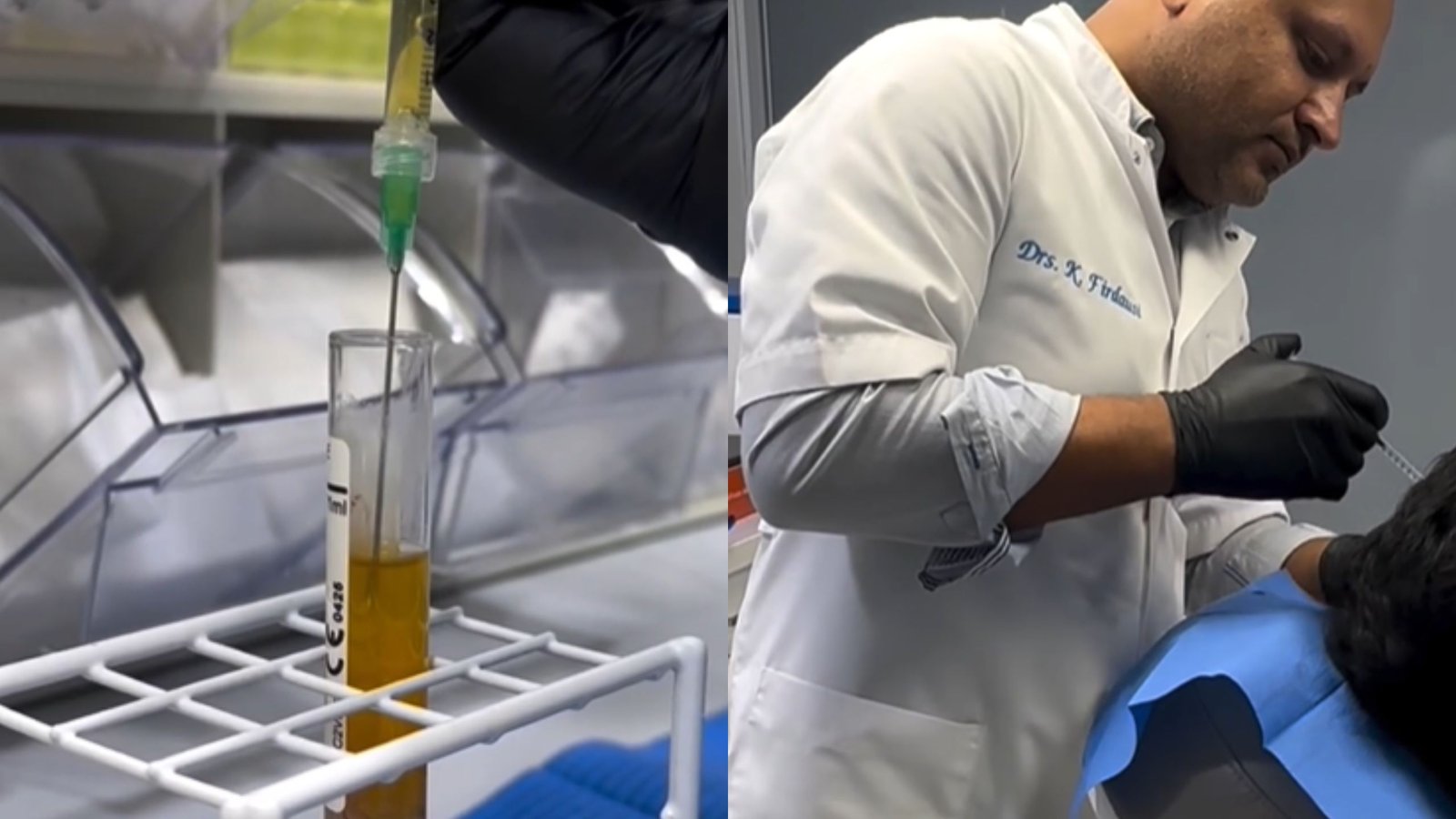
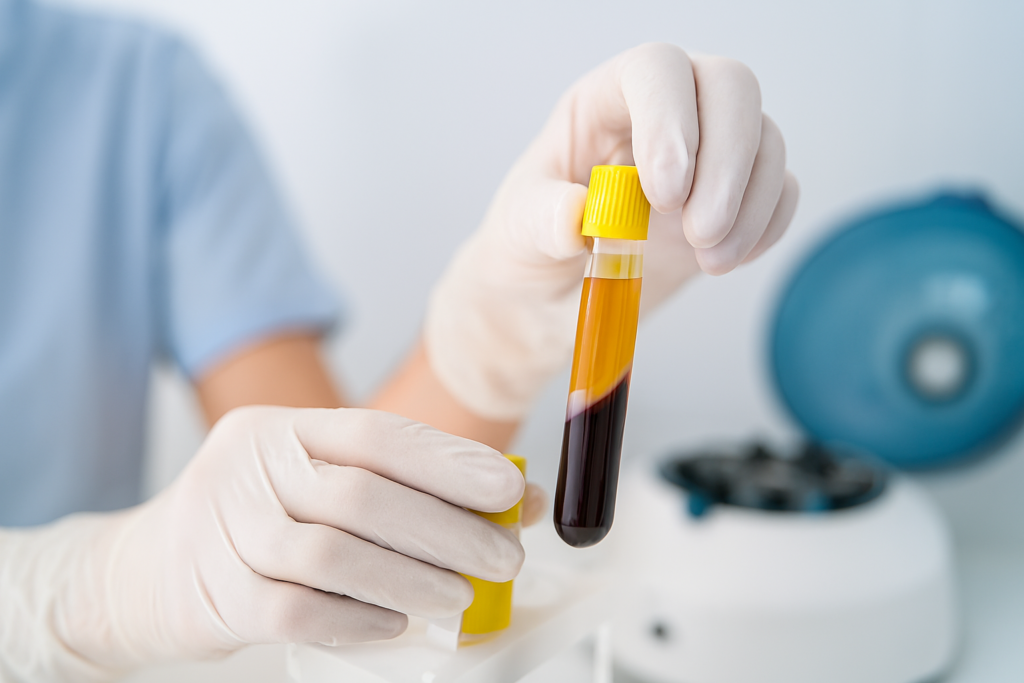
The PRP process usually follows three main steps. First a small amount of blood is taken from your arm. Second, this blood is placed in a centrifuge. This machine spins fast and separates the platelets from other blood parts. Third, the platelet rich plasma is injected into the scalp in areas where hair is thinning.
Because the plasma comes from your own body, it is called an autologous treatment. This means the risk of allergy is very low. The American Academy of Dermatology explains that this is one reason PRP is seen as a safe option for many patients.
The treatment session often takes under one hour. Most people can return to daily activities the same day.
How PRP Works for Hair Loss
Hair follicles go through cycles. They grow, rest, shed, and then grow again. In pattern hair loss, also called androgenetic alopecia, follicles become smaller over time. Hair grows thinner and shorter until it stops growing.
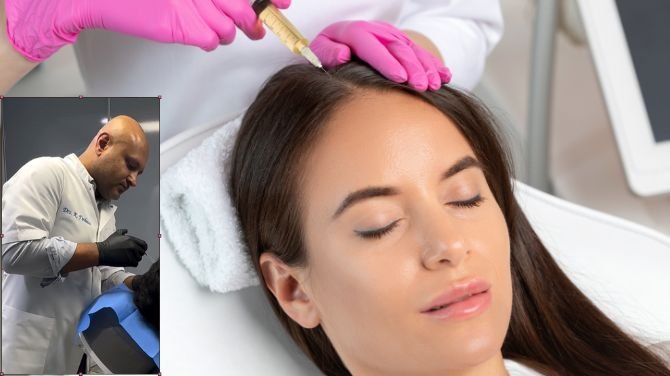
PRP works by sending growth signals directly to these weak follicles. Platelets release growth factors such as platelet derived growth factor and vascular endothelial growth factor. These signals can improve blood flow around the follicle and support cell repair.
Research published by Dr. Ralf Paus, a well known hair biology researcher, explains that improving the follicle environment is key to longer growth phases. PRP aims to support this process naturally.
What Science Says About PRP in 2026
By 2026, PRP is no longer seen as experimental. Many studies have explored its effect on hair loss.
A 2024 systematic review published in the Journal of Cosmetic Dermatology analyzed multiple clinical trials. The authors found that most patients treated with PRP showed increased hair density and thickness compared to placebo treatments.
Another study led by Dr. E. Anitua, published in 2025 in the journal Stem Cells Translational Medicine, reported that PRP improved hair count and reduced hair shedding in both men and women with early to moderate hair loss.
The European Academy of Dermatology and Venereology has also noted that PRP shows consistent results when proper protocols are followed. This includes correct platelet concentration and treatment spacing.
While PRP is not a cure, science supports it as a helpful option for slowing hair loss and improving hair quality.
Who Can Benefit Most From PRP
PRP is not the same for everyone. It works best for people in the early stages of hair loss. If hair follicles are still alive but weak, PRP can help stimulate them.
People with androgenetic alopecia often see the best results. This includes male pattern hair loss and female pattern hair thinning. According to data shared by the Mayo Clinic, PRP may also help some people with stress related hair shedding, known as telogen effluvium.
However, PRP is less effective for areas where hair follicles are completely inactive. In such cases, other options like hair transplantation may be discussed.
Safety and Side Effects
Safety is one of the main reasons people choose PRP. Since it uses your own blood, serious side effects are rare. The most common effects are mild and short term. These may include redness, slight swelling, or tenderness on the scalp.
The American Society for Dermatologic Surgery states that when PRP is performed by trained professionals using sterile methods, the risk of infection is very low.
In 2026, clinics also follow strict guidelines for equipment and preparation. This improves both safety and results.
PRP Compared to Other Hair Loss Treatments
Many people already know about treatments like minoxidil and finasteride. These medications can help, but they may cause side effects or require daily use.
PRP is different. It does not involve daily medication. It works with your body rather than changing hormone levels. Some studies, including research from Harvard Medical School, suggest that PRP can be used alongside traditional treatments for better results.
Learning more about prp helps you see how this treatment fits into a modern, science-based care plan, especially when it is performed by an experienced medical aesthetic clinic.
What a PRP Treatment Plan Looks Like
Most PRP plans include several sessions. A common schedule is three treatments, spaced about four weeks apart. After that, maintenance sessions may be done once or twice a year.
Results are gradual. Many patients notice reduced shedding first. New growth or thicker hair may appear after three to six months. This slow change is normal because hair grows in cycles.
Doctors from the University of California dermatology department emphasize that patience is important with PRP. It supports natural growth, not instant change.
PRP and Hair Loss Trends in the Netherlands
In the Netherlands, interest in natural and minimally invasive treatments continues to grow. Dutch patients often prefer options with strong safety records and scientific support.
Clinics also focus more on personalized care. Blood quality, lifestyle, and scalp health are considered before starting PRP. This aligns with European medical standards and improves outcomes.
By 2026, PRP is seen not as a trend, but as part of a broader approach to hair health.
Myths and Misunderstandings About PRP
Some people think PRP works instantly. This is not true. Hair growth takes time. Others believe PRP can regrow hair on completely bald areas. Science does not support this claim.
Another myth is that all PRP treatments are the same. In reality, platelet concentration, injection technique, and provider experience matter a lot. Research from the International Society of Hair Restoration Surgery highlights that proper technique directly affects results.
Is PRP Right for You
PRP may be a good choice if you want a natural approach, prefer minimal downtime, and have early hair thinning. A proper consultation is essential. Medical history, scalp condition, and expectations should be discussed.
Experts from the British Journal of Dermatology recommend PRP as an option to consider, not a miracle solution. Realistic goals lead to better satisfaction.
Why PRP Continues to Be a Trusted Hair Loss Treatment in 2026
PRP remains a strong option for hair loss in 2026 because it is natural, science backed, and flexible. It fits well into modern aesthetic medicine and matches the growing demand for treatments that support the body rather than fight it.
While it may not replace all other treatments, PRP offers a balanced choice for many people dealing with hair thinning. With proper guidance and realistic expectations, it can play a valuable role in improving hair quality and confidence.
As research continues and techniques improve, PRP is likely to remain an important part of hair loss care for years to come.
