

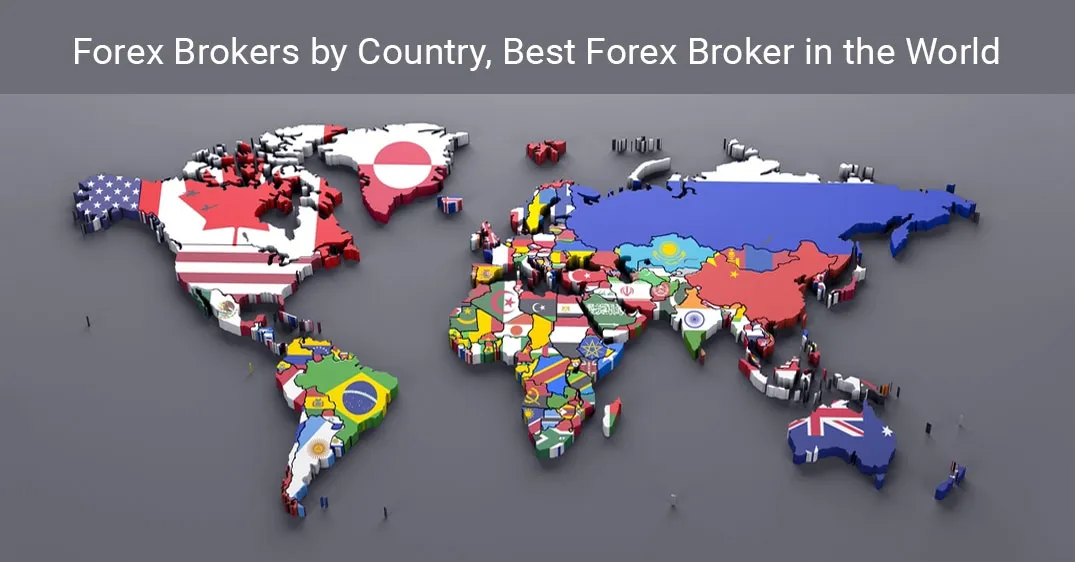
Online trading has evolved rapidly over the past decade, becoming more accessible, technology-driven, and globally connected. Retail traders today can participate in currency markets with relatively small capital, advanced platforms, and real-time data that was once reserved for institutional investors. This evolution has transformed trading from a niche activity into a mainstream financial pursuit for individuals seeking diversification, flexibility, and potential growth.
At the core of this ecosystem are intermediary platforms that connect traders to global liquidity providers. These platforms play a vital role by offering pricing feeds, execution technology, and access to trading tools. Without them, individual participation in the foreign exchange market would be impractical. Understanding how these intermediaries operate is essential for making informed financial decisions and managing trading risks responsibly.
The Role of Intermediaries in Currency Trading
Intermediaries act as bridges between individual traders and the interbank market, where major financial institutions exchange currencies. They aggregate prices from multiple liquidity sources and display them on user-friendly platforms. This allows traders to speculate on price movements without directly interacting with banks or hedge funds.
Execution speed, pricing transparency, and order reliability are critical factors in this relationship. A well-structured intermediary ensures that trades are executed efficiently, even during volatile market conditions. This reliability becomes particularly important during major economic announcements, interest rate decisions, or geopolitical events that can cause sharp price fluctuations.
Regulation and Trust in the Financial Markets
Regulation is one of the most important aspects to consider when participating in online trading. Financial authorities across different jurisdictions set rules to protect client funds, ensure fair practices, and reduce systemic risk. Regulated entities are typically required to segregate client funds, maintain minimum capital reserves, and follow strict reporting standards.
Trust is built through transparency and compliance. Traders should always verify licensing details and understand which authority oversees the platform they are using. Strong regulatory oversight does not eliminate risk, but it significantly reduces the chances of fraud, price manipulation, or unethical behavior, creating a safer environment for market participants.
Trading Platforms and Technology
Technology has reshaped how traders interact with the currency markets. Modern trading platforms offer advanced charting tools, technical indicators, automated trading capabilities, and mobile access. These features enable traders to analyze price trends, manage positions, and react quickly to market changes.
Platform stability is equally important. Downtime, lag, or execution errors can lead to financial losses, especially for short-term strategies. As competition increases, service providers continue investing in infrastructure, cloud-based systems, and data security to deliver smoother and more reliable trading experiences for users worldwide.
Costs, Spreads, and Overall Trading Expenses
Every trade involves costs, and understanding them is crucial for long-term sustainability in the financial markets. Typical expenses include spreads, commissions, overnight financing fees, and currency conversion charges, all of which directly affect overall trading performance. While these costs may seem minimal on an individual basis, they can accumulate significantly over time, especially for active traders who execute frequent positions. Competitive pricing structures often indicate strong operational efficiency and access to deep liquidity, which can benefit traders through tighter spreads and more stable execution. For those searching for the best forex brokers, evaluating how pricing models align with different trading strategies is essential, as transparent fee structures help traders plan effectively and avoid unexpected deductions from their accounts.
Risk Management and Financial Discipline
Risk management is the foundation of successful trading. Regardless of experience level, traders must define clear rules for position sizing, stop-loss placement, and overall exposure. Emotional decision-making, overleveraging, and lack of planning are common reasons why many traders struggle to achieve consistent results.
Sound financial discipline includes setting realistic goals, accepting losses as part of the process, and continuously reviewing performance. Using demo accounts, maintaining trading journals, and following a structured approach can help traders improve decision-making and build resilience in unpredictable market conditions.
Choosing the Right Market Access Provider
Selecting the right service provider depends on individual goals, experience, and preferred trading style. Some traders prioritize low costs and fast execution, while others value educational resources, customer support, and analytical tools. In the middle of this decision-making process, understanding how Forex Brokers differ in terms of regulation, pricing models, and platform offerings can help traders align their choices with long-term financial objectives.
A careful evaluation process reduces the likelihood of mismatched expectations and enhances overall trading efficiency. Comparing features, reading independent reviews, and testing platforms through demo accounts are practical steps toward making an informed selection.
Education and Market Awareness
Continuous learning is essential in the ever-changing financial markets. Economic indicators, central bank policies, and global events directly influence currency values. Traders who stay informed are better equipped to interpret market movements and adjust their strategies accordingly.
Educational resources such as webinars, market analysis articles, and economic calendars provide valuable insights. Developing a strong understanding of macroeconomic fundamentals alongside technical analysis creates a more balanced trading approach and supports better long-term decision-making.
Long-Term Perspective and Sustainable Trading
Successful trading is rarely about quick profits. It is a long-term process that requires patience, adaptability, and consistent effort. Building sustainable strategies involves refining methods, learning from mistakes, and adjusting to evolving market conditions.
A long-term perspective encourages responsible capital management and realistic expectations. By focusing on steady improvement rather than short-term gains, traders can create a more resilient approach that aligns with broader financial planning goals and personal risk tolerance.
Final Thoughts on the Online Trading Environment
The global currency market offers significant opportunities, but it also carries inherent risks. Understanding the structure of the trading ecosystem, the importance of regulation, and the role of technology empowers traders to navigate this space more confidently.
By combining education, discipline, and informed decision-making, individuals can participate more responsibly in the financial markets. A thoughtful approach not only enhances potential outcomes but also promotes a healthier and more sustainable trading experience over time.
