

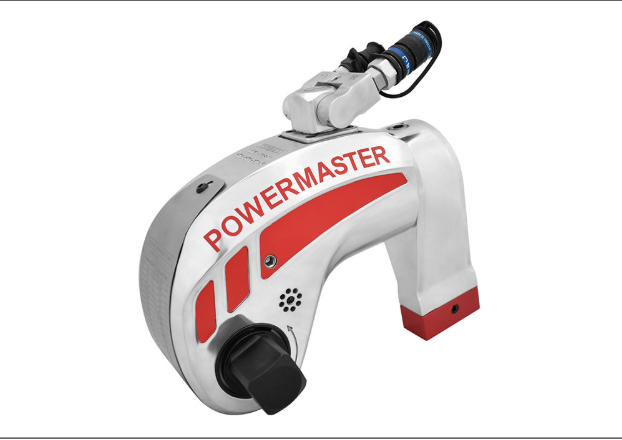
Industrial operations rely heavily on tools that deliver consistent accuracy and dependable strength. Among the most important tools in heavy-duty sectors such as manufacturing, construction, energy, and mechanical maintenance are the hydraulic torque wrench and electric torque wrenches. These tools ensure bolts are tightened safely and precisely, which reduces structural risks and improves operational efficiency.
The Role of a Hydraulic Torque Wrench in Industry
A hydraulic torque wrench is built for extreme power and precision. It uses hydraulic pressure to generate controlled torque, which makes it ideal for large equipment, pipelines, flange joints, and heavy machinery. These tools excel in environments where accuracy must be maintained under tough working conditions. Operators rely on them for critical applications because they can deliver very high torque levels while maintaining predictable and repeatable performance.
One of the strongest advantages of this tool is its ability to handle oversized bolts that require immense force. It provides smooth, steady rotation without sudden movements, which improves operator safety and reduces the risk of damaging components. Hydraulic wrenches are also known for their long service life, especially when properly maintained and calibrated.
Why Many Teams Choose Electric Torque Wrenches
While hydraulic tools offer unmatched torque strength, electric torque wrenches have their own unique benefits. They are significantly faster during repetitive bolting tasks and are easier to operate because they rely on a motor instead of an external hydraulic pump. This reduces setup time and increases portability, making them suitable for fast-paced job sites.
Electric torque wrenches also offer precise digital control. Many models allow torque presets, soft starts, and automatic shut-off when the desired torque is reached. This ensures consistency and reduces human error during operation. These tools are popular in maintenance departments, assembly lines, and industrial workshops where efficiency and speed are essential.
Hydraulic vs Electric: Selecting the Right Tool
Choosing between a hydraulic torque wrench and electric torque wrenches depends on the job requirements. Both tools offer excellent accuracy, but each fits different environments and workloads.
Torque Output
Hydraulic systems can apply extremely high torque, making them perfect for heavy-duty industrial applications. Electric models provide strong torque as well, but usually not at the same maximum output range.
Portability
Electric wrenches are more mobile because they do not require pumps or hoses. This makes them ideal for maintenance crews who move frequently between locations.
Speed
Electric tools operate quickly and efficiently, which helps reduce downtime during repetitive bolting tasks. Hydraulic systems may take longer because of pump setup and pressure adjustments.
Control and Safety
Both solutions offer controlled torque application, but hydraulics remain the preferred choice when working on high-risk structures due to their reliable accuracy under pressure.
Applications for Both Torque Tools
Industries that benefit from these tools include oil and gas, manufacturing, shipbuilding, construction, mining, and power generation. Both wrench types are used for tightening flanges, maintaining pressure vessels, assembling machinery, and securing structural components. Their reliability plays a vital role in daily operations and helps reduce the risk of failures caused by improper bolt tension.
Conclusion
Modern tightening solutions have evolved to support complex and heavy-duty industrial work. Whether a team selects a high-strength hydraulic torque wrench or prefers the efficiency of electric torque wrenches, the right tool ensures accuracy, safety, and long-term performance. Reliable torque systems protect structures, improve productivity, and deliver consistent results in challenging environments.
For advanced torque tools that combine precision, power, and durability, reach out to POWERMASTER today. Their expert team can guide you toward the right solution for your industrial tightening needs.
