

India’s urban water crisis is reshaping daily life in major cities, where access to clean, reliable water and safe sanitation is far from guaranteed for millions of people. WaterAid India’s work highlights both the complex causes of this crisis and practical, city‑level solutions emerging from communities and local governments.
What the urban water crisis looks like
WaterAid India’s blog on the water crisis in India explains that rapid urbanisation, industrial growth and population pressure have sharply increased demand for water in cities while infrastructure and governance have not kept pace. As a result, many urban residents—especially those in informal settlements—face irregular supply, poor water quality and inadequate sanitation, even when they live close to major pipelines and treatment plants.
The organisation notes that India’s water crisis is not only about scarcity but also about mismanagement, pollution and unequal access, which together make safe water a daily struggle for millions.
Challenges faced by major Indian cities
WaterAid India identifies several interlinked challenges driving the urban water crisis.
- Rapidly growing cities put enormous pressure on aging or incomplete water and sewer networks, leading to frequent breakdowns, leakages and high levels of “non‑revenue water
- Many city water utilities struggle with planning, financing and maintaining inclusive services, which means informal settlements, unauthorised colonies and migrant communities are often left out of formal connections.
- Pollution from untreated sewage and industrial effluents contaminates rivers, lakes and groundwater near cities, further reducing the amount of water that is safe and affordable to use.
- WaterAid India’s “The crisis” page underlines that millions in the country still lack clean water and basic sanitation, with a significant share of this burden concentrated in urban and peri‑urban areas
Inequality and the urban poor
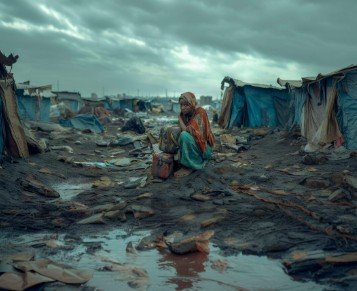
On its Urban WASH , WaterAid India explains that people living in informal settlements are at the frontline of India’s urban water crisis These communities often depend on shared taps, standposts, handpumps or tanker supplies, facing long queues, higher per‑litre costs and greater exposure to contaminated water compared to more affluent neighbourhoods.
The organisation also notes that the homeless and migrants are particularly vulnerable, as they are rarely recognised in formal city plans and may have no secure access to toilets or bathing spaces, increasing health risks and indignity.
How WaterAid India is responding in cities
WaterAid India’s Urban WASH approach focuses on building models of inclusive services in cities and towns, especially in slums and low‑income settlements. The programme helps create and support strong community cadres—such as Basti Vikas Manch, Mohalla Samiti and Nari Nirmal Awas Samiti—that advocate for clean water, decent toilets and good hygiene and interface with municipal authorities
The organisation has demonstrated innovations to secure water, sanitation and hygiene services for unauthorised slums in cities like Ujjain and Bhopal, with a deliberate focus on homeless people and migrants among the urban poor.
City‑wide solutions and public health gains
According to WaterAid India, a key feature of its urban work is a holistic, city‑wide approach that looks at planning, land tenure and service delivery together instead of treating individual slums in isolation. By working with utilities and municipal authorities, the organisation supports inclusive, affordable and flexible models that expand piped water, public and community toilets, and faecal sludge management systems to underserved areas.
The national homepage notes that in 2024–25 WaterAid India reached hundreds of thousands of people with clean water and safe sanitation, reinforcing that these services are central to reducing disease, improving dignity and building resilience in urban communities.
India’s water crisis solutions: where cities fit in
WaterAid India’s broader analysis of the water crisis stresses that solving India’s urban water challenges requires a mix of better resource management, infrastructure investments and community participation. This includes protecting and recharging groundwater, expanding and maintaining inclusive networks, preventing pollution, and ensuring that marginalised groups are represented in planning and decision‑making.
As an organisation focused on making clean water, decent toilets and good hygiene normal for everyone, everywhere, WaterAid India positions its Urban WASH work as a critical part of the national response to India’s growing urban water crisis.
Read More: Joseph’s Well System: The Simple DIY Method to Produce Clean Drinking Water From Air
