

Introduction
Varicocele is a common yet often misunderstood condition affecting men, particularly those between the ages of 15 and 45. It occurs when veins inside the scrotum become enlarged, similar to varicose veins in the legs. While some men experience no symptoms, others may suffer from scrotal pain, testicular shrinkage, or fertility issues.
Over the years, medical science has introduced advanced treatment options that are less invasive and more effective. One such breakthrough is varicocele embolisation, a modern, non-surgical procedure that offers excellent results with minimal downtime. This article explores everything you need to know about varicocele embolisation, from symptoms and causes to benefits, procedure details, and recovery.
Understanding Varicocele
A varicocele forms when blood pools in the veins of the spermatic cord due to faulty valves. These veins are responsible for carrying blood away from the testicles. When they fail to function properly, blood flows backward and causes vein enlargement.
Common Symptoms of Varicocele
- Dull or aching pain in the scrotum
- Heaviness or discomfort that worsens after standing
- Visible or palpable enlarged veins
- Reduced sperm quality and quantity
- Testicular atrophy (shrinkage)
Varicocele is one of the leading causes of male infertility, contributing to nearly 40% of primary infertility cases.
Traditional Treatments vs Modern Approaches
Earlier, varicocele treatment mainly involved open surgery (varicocelectomy), which required incisions, general anesthesia, and longer recovery times. Although effective, surgery carries risks such as infection, recurrence, and prolonged discomfort.
Today, many patients and doctors prefer minimally invasive alternatives that offer similar or better success rates with fewer complications. This is where varicocele embolisation stands out as a preferred option.
What Is Varicocele Embolisation?
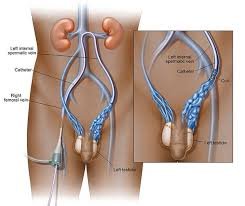
Varicocele embolisation is a non-surgical, image-guided procedure performed by an interventional radiologist. Instead of making cuts, the doctor accesses the affected vein through a small puncture, usually in the groin or neck, and blocks the abnormal blood flow using medical coils or a special embolic agent.
For detailed medical insights and treatment options, you can explore varicocele embolisation as an advanced solution recommended by specialists.
How the Procedure Works
The procedure is typically performed under local anesthesia and takes about 30 to 60 minutes.
Step-by-Step Process
- A small catheter is inserted into a vein in the groin or neck
- Live X-ray imaging guides the catheter to the affected testicular vein
- Embolic materials (coils or glue) are released to block abnormal blood flow
- Blood is redirected to healthy veins, relieving pressure
Patients remain awake and comfortable throughout the process.
Key Benefits of Varicocele Embolisation
1. Minimally Invasive
No surgical cuts, stitches, or scars are involved, making it a much gentler option than surgery.
2. Faster Recovery
Most patients return to normal activities within 24 to 48 hours.
3. High Success Rate
Clinical studies show success rates comparable to or better than surgical methods.
4. Reduced Pain and Risk
Less post-procedure pain and a lower risk of complications like infection or hydrocele.
5. Improved Fertility Outcomes
Many patients experience improved sperm quality and increased chances of conception.
Who Is an Ideal Candidate?
Varicocele embolisation is suitable for:
- Men experiencing chronic scrotal pain
- Individuals facing infertility due to varicocele
- Patients with recurrent varicocele after surgery
- Those seeking a non-surgical solution
A detailed evaluation by a specialist is necessary to determine eligibility.
Recovery and Aftercare
Recovery after varicocele embolisation is quick and straightforward.
What to Expect Post-Procedure
- Mild discomfort for 1–2 days
- No hospital stay required
- Avoid heavy lifting for a few days
- Normal activities can resume quickly
Doctors may recommend follow-up imaging or semen analysis to assess improvement.
Success Rate and Long-Term Results
Varicocele embolisation has a success rate of over 90% in treating symptoms and preventing recurrence. Long-term outcomes include:
- Sustained pain relief
- Improved testicular function
- Enhanced sperm parameters
- Minimal chances of recurrence
These benefits make it a reliable, long-lasting treatment option.
Is Varicocele Embolisation Safe?
Yes, it is considered extremely safe when performed by experienced professionals. Complications are rare and usually minor, such as temporary bruising at the catheter site. Unlike surgery, the risk of nerve damage or infection is significantly lower.
Cost Considerations
The cost of varicocele embolisation varies depending on location, hospital facilities, and case complexity. While it may appear slightly higher than surgery initially, reduced hospital stays, quicker recovery, and fewer complications make it cost-effective in the long run.
Why Early Treatment Matters
Ignoring varicocele can lead to worsening symptoms and irreversible fertility issues. Early diagnosis and timely treatment help preserve testicular health and improve overall quality of life. Modern treatments like embolisation allow patients to address the condition without fear of major surgery.
Conclusion
Varicocele embolisation has transformed the way varicoceles are treated. As a minimally invasive, safe, and highly effective procedure, it offers men a chance to relieve pain, restore fertility potential, and return to daily life quickly. With minimal risks and proven results, it stands as a modern alternative to traditional surgery. If you are experiencing symptoms of varicocele or facing fertility concerns, exploring embolisation could be a life-changing decision.
