

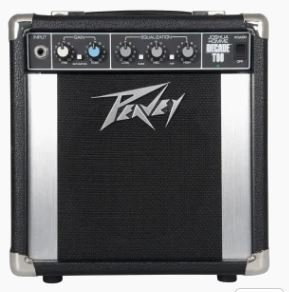
Every guitarist knows the difference an amp can make. You can play the same notes on different setups, and the sound transforms entirely. A good guitar amp does more than increase volume; it reacts to your playing, adds texture, and shapes tone in ways that feel almost organic. For players seeking professional-level sound, the choice of amplifier can define the difference between a decent performance and one that truly resonates.
Why the Right Amp Matters
Tone is personal, and the amp is the bridge between your hands and the audience. Clean tones should feel crisp and dynamic, allowing each note to stand out. Crunch tones add edge without muddiness, while high-gain tones deliver sustain and punch for heavier styles. The best amps handle all three with precision, allowing players to control subtle dynamics and expressive phrasing.
Good guitar amps also influence creative experimentation. Whether layering effects in a studio session or adjusting settings during live performance, a responsive amp becomes a tool for sonic exploration, allowing each musician to find a unique voice.
Amp Features That Guitarists Love
- Warmth and Responsiveness: Small tube-inspired combos deliver rich tone and react dynamically to playing, showing that size doesn’t dictate quality.
- Consistent Tone: Mid-range solid-state amps maintain reliable sound and handle pedalboards well, making them ideal for gigging musicians.
- Versatility: Modeling amps offer multiple amp voices and built-in effects, enabling players to explore various tones without requiring additional gear.
- Dynamic Interaction: Great amps respond to subtle changes in pick attack and guitar volume, giving musicians expressive control over their sound.
- Long-Term Playability: Many players stick with specific models for years because the amps “feel alive,” offering a musical experience that specifications alone cannot capture.
Understanding Amp Technology
Knowing the differences between types of amps is essential for selecting good guitar amps. Tube amps compress and harmonically enhance the signal, producing warmth and natural dynamics. Solid-state amps, by contrast, offer clarity, reliability, and lower maintenance, and are often more budget-friendly. Modeling amps digitally replicate multiple amp types and effects, offering a comprehensive tonal palette in one unit, ideal for players who require flexibility in diverse environments.
Power and headroom are other critical considerations. Low-watt amps are ideal for bedroom practice or recording, where subtle dynamics are most noticeable. Higher-watt amps provide the volume and headroom required for live performance without sacrificing tonal clarity. Some amps also feature direct outputs, such as USB or XLR, making them convenient for recording or integration with PA systems without the need for a microphone placement near the speaker.
Optimizing Your Setup
Even the best amps perform differently depending on setup. For recording, tube-inspired amps can be miked to capture their full harmonic character, offering tight lows and rich overtones that sit well in a mix. Modeling amps enable players to experiment with multiple virtual voices and effects without needing to change gear in live settings; speaker size, wattage, and cabinet choice influence projection, tone, and clarity. Small changes in EQ or mic placement can dramatically enhance performance.
Many musicians report that their favorite amps remain in their rig for years because of how naturally they respond to their sound. This kind of responsiveness fosters confidence, allowing players to focus on expression rather than equipment limitations.
Choosing Good Guitar Amps
Selecting a good guitar amp requires considering your environment, style, and goals. For home practice, low-watt combos or modeling amps provide versatility without overpowering the room. For studio use, tube-inspired amps or modeling amps with direct output capabilities allow nuanced recording. Live performance demands adequate wattage, speaker choice, and dynamic range to ensure your tone cuts through the mix.
It’s also essential to match the amp with your playing style. Jazz and blues benefit from clean, articulate tones. Rock and indie players often prefer mid-gain amps with responsive EQ controls. Metal and heavier styles require high-gain amps that maintain clarity while delivering sustain and punch. For players who frequently switch genres, versatile modeling amps can offer multiple sounds in a single device.
Bringing Tone to Life
Good guitar amps become an extension of your instrument. It reacts to nuances in technique, adds depth to your sound, and provides a platform for creative expression. Musicians who choose wisely find that their tone is more consistent, their performance more expressive, and their rig easier to manage.
Tone isn’t just about the amp’s specifications. It’s about how it feels when you play, how it interacts with your guitar, and how it supports your musical intent. Whether recording at home, performing live, or practicing new techniques, the right amplifier helps you achieve a professional-level sound without compromise.
Conclusion
Good guitar amps shape the way music is heard and felt. They combine responsiveness, tonal clarity, and versatility to elevate every performance. From high-gain tube-inspired heads to versatile modeling combos, players now have access to tools that enhance creativity and support expressive playing.
Choosing an amp thoughtfully, considering power, type, and responsiveness, ensures that every note resonates clearly and every performance has impact. The right amplifier doesn’t just play music; it amplifies your artistic voice.
Find the amp that complements your style and experience sound that reacts, inspires, and performs at a professional level.
