

A diagnosis of breast cancer often raises questions about treatment, recovery, and long-term care. Understanding what lies ahead can help patients feel more prepared and confident when making medical decisions. In Australia, private hospitals follow structured clinical pathways that prioritise safety, personalised care, and continuity across each stage of care.
Diagnosis and Initial Assessment
The diagnosis stage forms the foundation of breast cancer care. Doctors follow a structured process to confirm the presence of cancer and understand how advanced it is. This information is essential for planning safe and effective treatment.
Breast Cancer Detection and Testing
Breast cancer may be detected during routine screening or after a patient notices physical changes such as a lump, skin changes, or discomfort. Clinicians arrange imaging tests, including mammograms or ultrasounds, to identify abnormal tissue and determine whether further investigation is required.
Staging and Pathology Results
A biopsy confirms the presence and type of cancer. Pathology testing then determines tumour grade, hormone receptor status, and other key markers. These results enable doctors to accurately stage the cancer and clearly explain treatment options and likely outcomes.
Creating a Personalised Treatment Plan
Once a diagnosis is confirmed, specialists work together to develop a treatment plan tailored to the individual. This approach ensures care is coordinated, appropriate, and responsive to both medical needs and personal circumstances.
Multidisciplinary Care Planning
A multidisciplinary team reviews diagnostic results and agrees on the most suitable treatment sequence. This team may include surgeons, medical oncologists, radiation oncologists, nurses, and allied health professionals.
Factors Influencing Treatment Decisions
Treatment recommendations are based on cancer characteristics, overall health, and patient preferences. Doctors take time to explain each option so patients understand the reasoning behind their care plan and feel involved in decision-making.
Surgical Treatment and Hospital Care
Surgery is often a key part of treatment and is carefully planned to achieve the best medical outcome while supporting recovery. Patients receive clear guidance before, during, and after hospital admission.
Types of Breast Surgery
Depending on tumour size, location, and type, surgeons may recommend breast-conserving surgery or mastectomy. Each option is discussed in detail, including potential risks, benefits, and recovery expectations.
Hospital Stay and Post-Surgical Care
Before surgery, patients attend pre-admission assessments to confirm medical fitness and discuss recovery planning. During hospital stays, nursing staff manage pain, monitor healing, and provide education on wound care. Most patients return home within a short period with follow-up arrangements in place.
Chemotherapy as Part of Treatment
Chemotherapy may be used to treat cancer cells throughout the body and can be given before or after surgery. Treatment is delivered in a controlled and closely monitored setting.
Chemotherapy Cycles and Monitoring
Chemotherapy is administered in cycles, allowing time for recovery between treatments. Doctors regularly review progress and conduct blood tests to ensure treatment remains safe and effective.
Managing Chemotherapy Side Effects
Common side effects may include fatigue, nausea, changes in appetite, hair loss, and an increased risk of infection. Care teams provide medication, education, and ongoing support to help manage these effects, which usually improve after treatment ends.
Radiation Therapy Following Surgery
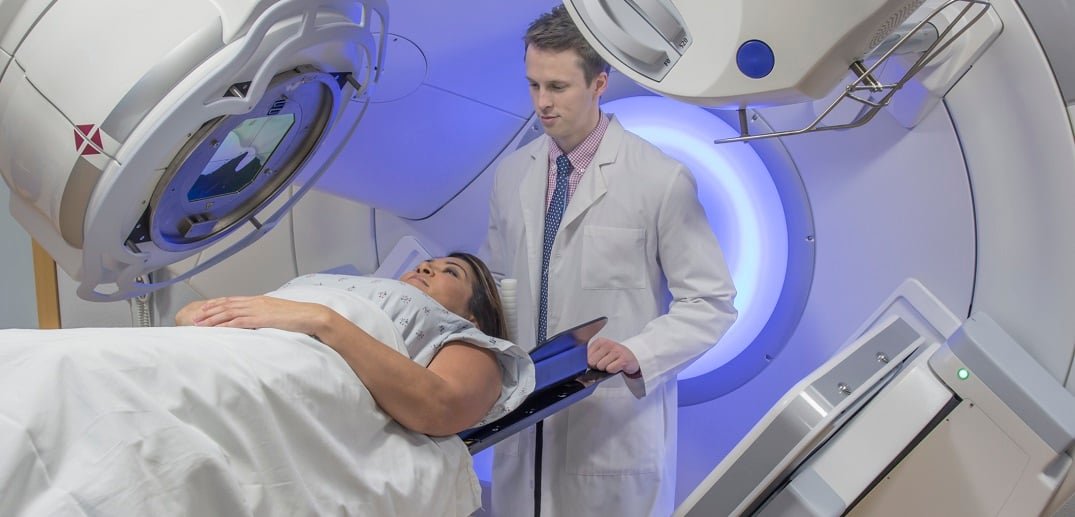
Radiation therapy is commonly recommended to reduce the risk of cancer returning. Treatment plans are designed to target affected areas while protecting surrounding healthy tissue.
Radiation Treatment Schedule
Radiation therapy usually involves short daily sessions over several weeks. The schedule and expected outcomes are explained clearly before treatment begins.
Managing Radiation Side Effects
Patients may experience skin irritation or tiredness during radiation therapy. Radiation teams offer practical advice and monitor recovery throughout treatment.
Managing Physical and Emotional Side Effects
Breast cancer treatment affects both physical health and emotional wellbeing. Ongoing support helps patients manage changes during and after treatment.
Emotional Wellbeing and Mental Health Support
Patients may experience changes in mood, sleep, or confidence. Counselling and psychological services support emotional health and help patients cope with the demands of treatment.
Physical Recovery and Daily Function
Specialist nursing care and education help patients manage fatigue, mobility changes, and daily activities during recovery.
Recovery, Follow-Up, and Long-Term Monitoring
Recovery continues after active treatment ends. Follow-up care focuses on healing, monitoring, and supporting long-term health within Breast Cancer Treatment Australia.
Follow-Up Appointments and Ongoing Care
Doctors schedule regular follow-up visits to monitor recovery and check for recurrence through physical examinations and imaging. Patients receive guidance on returning to work, exercise, and normal routines.
Considering Breast Augmentation Options
Any cosmetic procedure requires medical clearance and specialist assessment. Patients who consider options such as breast augmentation Adelaide must do so under professional guidance, with careful evaluation of recovery progress and overall health.
Conclusion
Breast cancer care in Australia follows a structured, patient-centred approach that supports individuals from diagnosis through to recovery. Understanding each stage of Breast Cancer Treatment Australia allows patients to approach care with clarity, confidence, and realistic expectations. Ongoing communication, follow-up, and support remain central to achieving positive long-term outcomes.
