

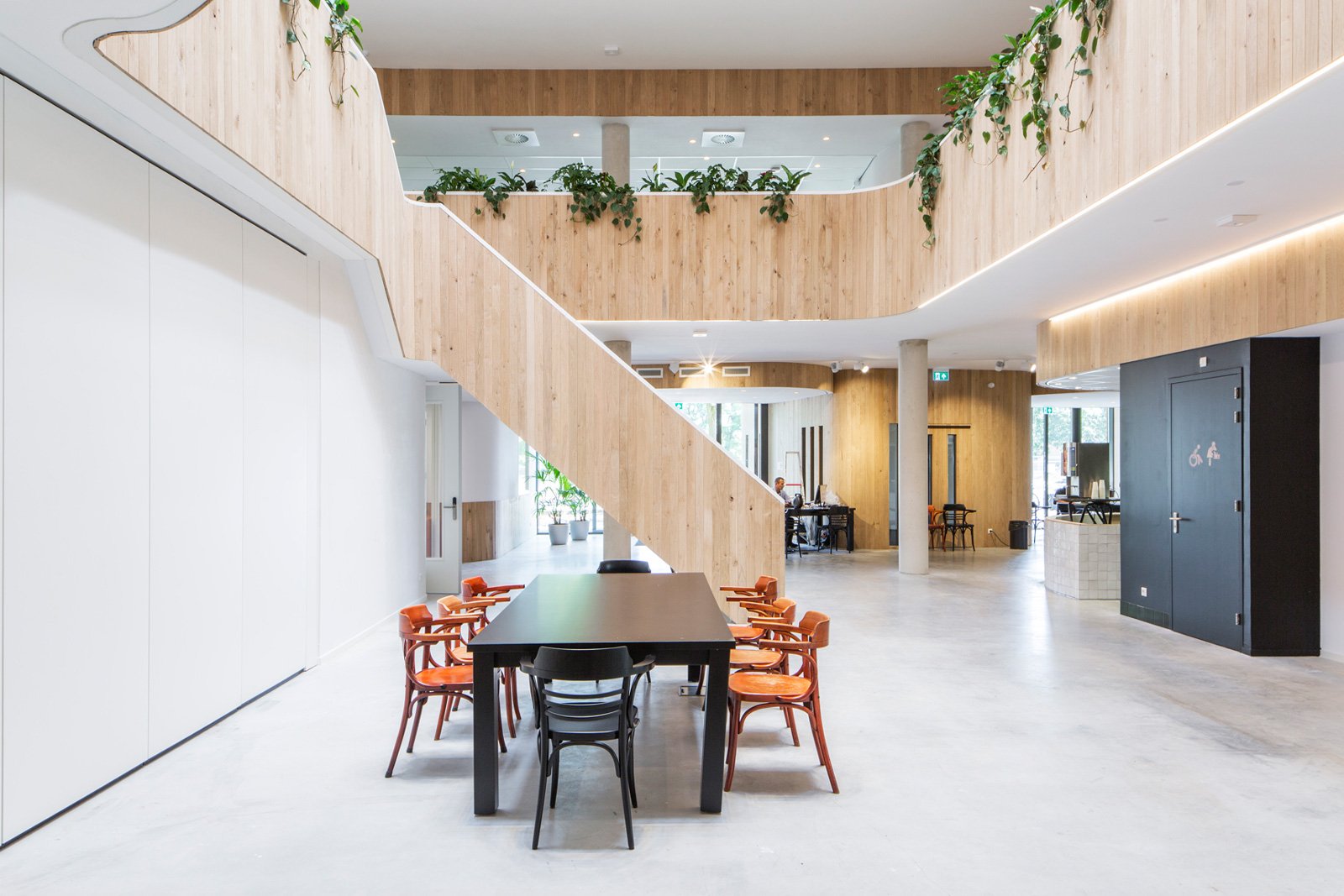
Walk into a premium corporate office, a high-end restaurant, or a luxury apartment in Sydney or Melbourne, and you will notice something different about the ceiling. It is flawlessly smooth, with no visible panels, no unsightly tiles, and no acoustic baffles in sight, yet the room feels noticeably quieter and more refined. Chances are, you are looking at an acoustic plasterboard ceiling, one of the most sophisticated sound management solutions available in contemporary construction today.
What Is an Acoustic Plasterboard Ceiling?
An acoustic plasterboard ceiling combines the structural reliability of plasterboard with engineered sound-absorbing properties, delivering a ceiling that controls noise and reverberation without sacrificing visual appeal. Unlike traditional drop ceilings filled with foam tiles or suspended acoustic panels, this system integrates directly into the architecture of the space.
At its core, the system works by allowing sound waves to pass through the surface layer into an underlying absorbent substrate, typically mineral wool or a purpose-made acoustic board, where energy is dissipated rather than reflected into the room. The result is a significant reduction in echo, ambient noise, and reverberation time throughout the space.
The Problem with Traditional Acoustic Solutions
Architects and interior designers have long faced a frustrating trade-off: you can have a beautiful ceiling or a quiet room, but achieving both has historically been a challenge. Foam panels look industrial. Acoustic tiles feel dated. Suspended grid systems interrupt the clean lines that modern design demands.
Acoustic plasterboard ceiling systems eliminate this compromise. Because the finish is plastered smooth, the ceiling looks identical to a standard high-spec plaster ceiling, except it actively works to manage the acoustic environment of the room.
Where Acoustic Plasterboard Ceilings Deliver the Most Impact
These systems are particularly valuable in spaces where sound quality directly affects how people work, communicate, or experience their environment.
In open-plan offices across Australian CBDs, noise pollution is a growing productivity issue. Research consistently shows that workers in noisy offices experience higher stress levels and reduced concentration. An acoustic plasterboard ceiling dampens the cumulative noise of conversations, phone calls, and keyboard clicks, creating a calmer and more focused workspace without the need for intrusive acoustic baffles hanging from the ceiling.
Boardrooms and conference rooms are another obvious application when the clarity of every spoken word matters, a ceiling system with high sound absorption values ensures that meetings are productive and that conversations remain contained within the room.
In the hospitality sector, including restaurants, hotel lobbies, and bars, acoustic plasterboard ceilings help manage the buzz of a busy venue without deadening it. Guests can hold conversations comfortably without needing to raise their voices, which improves the overall dining or guest experience considerably.
For luxury residential properties, the benefits are equally compelling. Homeowners investing in premium apartments or custom builds increasingly expect acoustic comfort as a standard feature. An acoustical plaster ceiling system delivers that quiet, refined atmosphere associated with high-end living.
The BASWA Phon System: Setting the Benchmark
Not all acoustic plasterboard ceiling systems are created equal. The BASWA Phon system, installed in Australia by certified specialists such as VIP Designs, represents the pinnacle of what this category can deliver. Engineered in Switzerland, BASWA Phon achieves exceptionally high Noise Reduction Coefficients (NRC), meaning it absorbs a significant proportion of the sound energy it encounters rather than reflecting it.
VIP Designs is Australia’s first certified installer of the BASWA Phon range, bringing internationally validated expertise to both commercial and residential projects across Sydney, Melbourne, and beyond. The system can be applied to curved and vaulted ceilings, making it suitable for architecturally ambitious projects where standard grid systems simply would not work. The surface is also tinted during manufacturing to any colour specification, which means the ceiling can be matched precisely to any design scheme.
Installation: What to Expect
A professional acoustic plasterboard ceiling installation begins with a thorough site assessment. Specialists evaluate the room’s dimensions, current acoustic performance, and the specific noise challenges the space presents. From there, a tailored system design is developed that specifies the substrate depth, the plaster mix, and the appropriate NRC targets for the application.
Surface preparation is critical, as the substrate must be correctly installed and ready to ensure optimal adhesion and uniform sound absorption across the entire ceiling area. The plaster is then applied with precision, building up in layers to achieve the required thickness and a perfectly smooth finish. The installation process for a standard commercial space typically takes a few days, and the finished ceiling is visually indistinguishable from decorative plaster while performing at the highest acoustic level.
A Long-Term Investment in Quality and Comfort
An acoustic plasterboard ceiling is not simply a finish. It is a long-term investment in the quality of a space. Unlike foam panels that degrade over time or acoustic tiles that stain and sag, a plastered ceiling system maintains its appearance and performance for decades with minimal maintenance. It will not need replacing, will not collect dust in visible ways, and will not change colour or sag over time.
For Australian architects, builders, and interior designers working on premium projects, specifying an acoustic plasterboard ceiling system is increasingly becoming the standard of care rather than the exception. When clients are investing significantly into the design and construction of a space, delivering a ceiling that performs acoustically as well as it looks is simply good practice.
If you are considering an acoustic ceiling solution for a commercial fit-out, luxury residential build, or hospitality project anywhere in Australia, speaking with a certified installer who can assess your space and design a system to your specific requirements is always the best starting point.
