

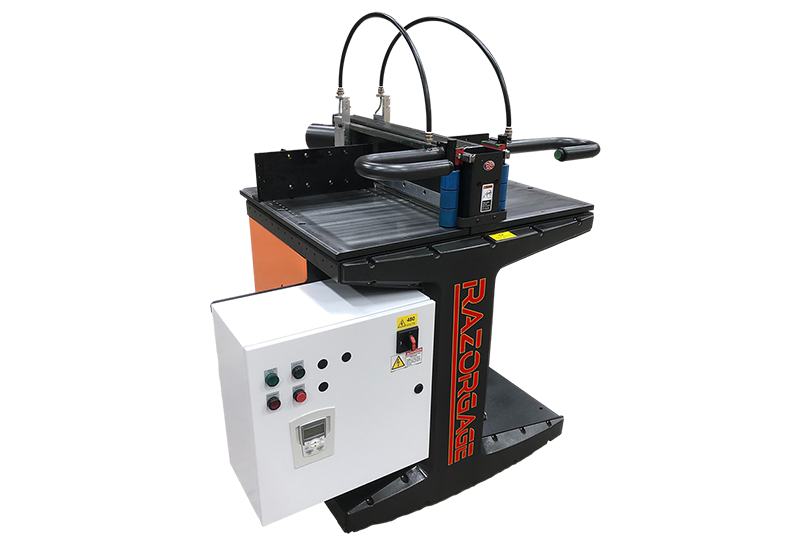
In modern manufacturing and fabrication environments, speed, precision, and consistency define success. One tool that has transformed how workshops and factories handle repetitive cutting tasks is the Automatic chop saw. Unlike manual saws that depend heavily on operator skill and stamina, automatic systems integrate controlled feeds, precise stops, and safety features that significantly improve throughput. For businesses aiming to scale production without sacrificing accuracy, understanding how this technology enhances efficiency is essential.
How Automatic Chop Saws Work in Factories
One kind of power tool that slices through stuff like steel, soft metal, or manufactured timber fast is called an auto chop saw. It takes care of loading the piece, holding it still, then bringing down the spinning disc – all by itself. Because of this setup, people running the device watch how things go instead of moving each slice by hand.
Start to finish, machines keep timing steady in factories. Take metal workshops – chop saws running on their own often slice through parts 30 to 50 percent faster than people do, based on standard gear tests. Because cuts happen at the same pace, organizing tasks gets easier. Fewer delays pile up during manufacturing runs.
Automation enhances cutting precision
Fine precision matters most when slicing materials for tight-fitting parts. These machines use preset markers, digital settings, one after another stop, so every slice lines up just right.
One reason these saws stand out is how consistently they cut part after part without slip. In fields like building car frames or steel supports, tiny errors often snowball into expensive fixes. Switching over to automatic systems has led some factories to notice a clear drop in wasted stock. That saving on raw materials ends up boosting earnings in ways that add up quietly but surely.
Increase Output While Keeping Standards
What feels like hurry usually isn’t – automation turns quickness into smart timing. These machines slice without racing ahead, keeping rhythm steady. A smooth feed keeps things stable, stopping wobbles and excess warmth before they harm either the metal being cut or the tool itself.
Imagine an aluminum factory where machines cut long metal strips fast, hardly ever pausing. These saws grab fresh stock on their own, so work never stalls. Coolant flows just right during cutting, helping blades last much longer. Day after day, quick yet steady rhythms push out more parts – each one smooth, each one precise.
Improved Operator Safety
Few things matter more than staying safe on the job in factories and workshops. Using hand-operated cutters can lead to accidents like touching moving blades, sudden tool jerks, or muscle wear from doing the same motion too much. Machines that slice automatically make it safer by surrounding the sharp parts and letting people stay clear while they run.
Starting up machines happens remotely, keeping workers out of harm’s way. Safety sensors are always watching, ready to halt things fast when needed. Reports on job site safety show places using automatic cutters tend to have less accidents tied to slicing tasks, which leads to cheaper insurance bills along with happier teams.
Long Term Cost Efficiency
Though buying an automatic chop saw might cost more at first compared to hand tools, savings build up over time. Less money spent on workers because jobs go faster shows results after months pass by. Mistakes happen less often, so wasted material drops sharply when machines cut precisely each time. Tools also last longer under steady automated control instead of constant human handling wear. All these pieces add up until the extra starting price feels small in hindsight.
Predictable maintenance gets a boost when machines run on steady settings. Since operations stay within set limits, parts tend to degrade at similar rates – so scheduling repairs becomes simpler. Performance insights come into play thanks to built-in tracking tools many makers now include. These logs let supervisors review output trends and adjust workflows slightly. For deeper understanding, connections to internal upkeep methods or outside product manuals open up clearer paths forward.
Versatility Across Materials and Industries
A single tool shifts roles easily when conditions change. Using different blades along with adjusted settings allows cutting through steel tubing just as well as aluminum shapes. Materials like composites also respond well under the same setup. Factories building homes rely on this flexibility, yet so do workshops crafting aircraft parts. Even producers working on solar panel frames find it useful across daily tasks.
Growing companies benefit when their tools adapt over time. One machine handles jobs that once needed several different ones. To learn more, check linked pages about choosing blades or official guidelines for cutting certain materials.
Selecting an Automatic Chop Saw
What you need depends on what your production actually demands. Think about the kind of material involved, how much gets cut, along with precision limits – these shape the choice. When lengths change a lot during work, ones that offer programming flexibility tend to fit best. On days when output is large and specs stay fixed, tougher builds handle it more smoothly.
When machines stop, time ticks differently on factory floors. A single stalled part might pause more than just one machine. Support after purchase shapes how fast things get moving again. Spare components tucked away save hours when breakdowns strike unexpectedly. Service that shows up on time keeps rhythms steady across shifts. Downtime shrinks when help arrives without delay. Production lines breathe easier knowing fixes are close at hand.
The Role of Automation in Modern Manufacturing
Facing today’s markets means doing more than keeping up – staying ahead demands change. Machines that cut metal automatically show exactly where small shifts make big differences, no full rebuild needed. Slipping them into current processes lets factories answer growing orders without dropping the ball on consistency.
Faster changes arrive when machines learn on their own, especially as factories adopt smarter workflows. Because sensors watch performance closely, adjustments happen before problems grow. Software that tracks output links directly to cutting tools, so delays shrink without extra effort. Intelligence builds into hardware now, not later, reshaping how tasks unfold across assembly lines.
Conclusion
An automatic chop saw is more than just a cutting tool; it is a productivity enabler that supports accuracy, safety, and scalability in industrial operations. By reducing manual intervention, these machines help businesses achieve consistent results while controlling costs. When paired with complementary features like a Miter saw automatic stop, automated cutting systems provide an even higher level of precision and repeatability, making them a smart investment for forward-thinking workshops and factories.
Frequently Asked Questions
What materials can an automatic chop saw cut?
Automatic chop saws can cut a wide range of materials, including steel, aluminum, brass, and certain engineered woods, depending on the blade and machine configuration.
Is an automatic chop saw suitable for small workshops?
Yes, many compact models are designed for small to medium workshops, offering automation benefits without requiring large floor space.
How does automation affect blade life?
Automation improves blade life by maintaining consistent feed rates and reducing operator-induced stress, which minimizes overheating and uneven wear.
Are automatic chop saws difficult to maintain?
Most machines are designed for straightforward maintenance, with scheduled servicing and readily available replacement parts from manufacturers.
What is the typical return on investment for an automatic chop saw?
ROI varies by application, but many businesses recover costs within one to two years through labor savings, reduced scrap, and higher throughput.
