

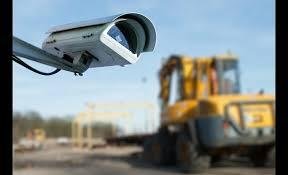
Construction sites are often vulnerable to theft, vandalism, and other disruptive incidents that can lead to significant delays. These delays not only affect the project timeline but can also incur costly expenses.
To minimize these risks and keep projects on track, implementing effective construction site security is essential. A secure site ensures the safety of valuable equipment, materials, and personnel, while also fostering a productive and efficient work environment.
The Importance of Construction Site Security
Construction sites are high-stakes environments, often with expensive machinery, tools, and building materials on-site. Without proper security measures, these assets become easy targets for theft and vandalism.
Additionally, construction sites are open to a variety of other threats, such as unauthorized access, accidents, and workplace violence. When these risks go unchecked, the consequences can lead to costly delays and increased project costs.
Security systems tailored for construction sites play a critical role in minimizing these risks. They provide real-time monitoring and alert teams to potential threats, ensuring timely responses to incidents and ultimately protecting project investments.
How Construction Site Security Systems Prevent Delays
1. Protection Against Theft and Vandalism
One of the most common threats to construction sites is theft. Equipment, materials, and even tools can easily be stolen, causing significant financial losses.
Additionally, vandalism, such as damage to machinery or buildings, can also disrupt the project timeline.
Installing a comprehensive construction site security system that includes surveillance cameras, motion sensors, and alarm systems provides round-the-clock monitoring to prevent unauthorized access and identify intruders before damage is done.
By deterring thieves and vandals, these systems ensure that valuable resources remain on-site, preventing costly replacements and repairs.
2. Access Control and Monitoring
Allowing unauthorized individuals to access construction sites can lead to safety concerns, project delays, and even legal issues. By implementing access control systems, construction managers can limit entry to only authorized personnel and contractors. These systems often include keycard access, biometric identification, or secure entry points with real-time surveillance.
By monitoring who enters and exits the site, construction teams can ensure that only those with the appropriate credentials are allowed access.
This reduces the risk of accidents, theft, and project interference, allowing the site to operate smoothly without disruption.
3. Real-Time Monitoring and Immediate Response
One of the key benefits of modern construction site security systems is their ability to provide real-time surveillance and instant alerts. Security cameras connected to a central monitoring system can send immediate notifications if any suspicious activity is detected.
Whether it’s an intruder, an employee acting out of line, or a safety hazard, these alerts allow construction managers to respond quickly and effectively.
This proactive approach ensures that any potential issues are addressed before they escalate, preventing delays in construction work.
For example, security cameras can immediately alert staff to a potential fire or gas leak, allowing them to evacuate the site and prevent further damage. The quicker the response, the less impact it has on the project timeline.
4. Reducing Worker Disruptions
Construction site security systems not only protect against external threats but also promote a safer and more focused work environment for employees. When workers feel safe, they are more likely to remain focused on their tasks, improving productivity and reducing the risk of accidents that could lead to delays.
By establishing clear security protocols and providing a secure environment, employees can focus on their work without worrying about personal safety or the potential for theft. A secure site allows workers to operate with confidence, contributing to the timely completion of tasks and overall project success.
5. Streamlined Communication
Effective security systems also enable improved communication across the construction site. Integrated systems allow for instant communication between security personnel, project managers, and site workers.
For example, a surveillance system linked to a mobile app can provide project managers with immediate updates, while workers on-site can easily communicate any security concerns or issues they encounter.
This streamlined communication ensures that any potential security risks or hazards are addressed promptly, reducing downtime and preventing delays. It also facilitates smoother coordination across the various teams involved in the project, ensuring tasks are completed on schedule.
6. Insurance Benefits and Liability Reduction
Construction sites are inherently risky, and if security is not properly managed, it can lead to legal and financial consequences. Having a construction site security system in place can help mitigate these risks and may even result in lower insurance premiums.
Insurers often offer reduced rates for properties with comprehensive security measures, as the risk of damage, theft, and accidents is significantly reduced.
Moreover, in the event of an accident or theft, having video footage and records of who was on-site can help in dispute resolution and legal proceedings. This can save valuable time and money, preventing unnecessary delays caused by legal complications.
Key Features of an Effective Construction Site Security System
When selecting a security system for your construction site, it’s important to consider a variety of features that will best suit your needs. The following are some key components to look for in an effective system:
- Surveillance Cameras: High-definition cameras with night vision capabilities to monitor activities 24/7.
- Motion Detectors: Sensors that detect unauthorized movement in restricted areas.
- Alarm Systems: Automated alarms to alert personnel of any potential security breaches or hazards.
- Access Control: Secure entry points with keycards or biometric scanning to limit access to authorized personnel only.
- Remote Monitoring: Ability to monitor the site remotely through a mobile app or secure online portal.
- Integrated Communication Systems: Systems that allow workers, managers, and security teams to communicate instantly.
By choosing a system with these components, construction site managers can ensure comprehensive protection and reduce the risk of delays caused by security-related issues.
Conclusion
Construction site security is critical to maintaining the efficiency of any project. With the right construction site security system in place, construction managers can prevent costly delays caused by theft, vandalism, unauthorized access, and safety hazards.
These systems offer real-time monitoring, enhanced communication, and access control, allowing workers to focus on their tasks while ensuring the overall safety and success of the project.
As the construction industry continues to evolve, adopting modern security technologies is essential for improving site efficiency, protecting valuable assets, and ensuring projects stay on track. Investing in construction site security is not just a safety measure; it’s a strategic decision that can save time, money, and effort, ultimately contributing to the successful completion of construction projects.
