

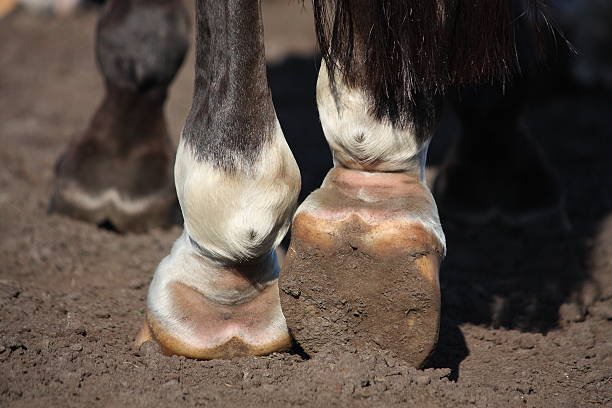
The Connection Between Hoof Care and Equine Health
Healthy hooves are the foundation of a horse’s mobility, performance, and overall well-being. Horses rely on their hooves for balance, weight distribution, and movement across different terrains. Because of this, maintaining proper hoof hygiene is one of the most important aspects of equine care. Yet many horse owners underestimate how quickly poor hygiene can lead to infections, lameness, and reduced performance.
In modern horse management, hoof care goes beyond trimming and shoeing. It includes daily cleaning routines, proper stable sanitation, and proactive disease prevention. When hooves remain exposed to moisture, manure, and bacteria, the risk of infection increases significantly.
This is where advanced hygiene solutions, such as those offered by Klean Farm Solutions, play an important role. By supporting better sanitation practices and healthier living environments, these solutions help horse owners protect hoof health and prevent common hoof-related diseases.
Understanding the Anatomy of a Horse’s Hoof
To understand why hoof hygiene matters so much, it helps to look at the anatomy of the equine hoof. The hoof is a complex structure designed to support the horse’s entire body weight while absorbing shock during movement.
Key parts of the hoof include:
- Hoof Wall – The outer protective layer that bears most of the horse’s weight.
- Sole – The underside of the hoof that protects sensitive internal tissues.
- Frog – A V-shaped structure that helps absorb shock and aids circulation.
- White Line – The junction between the hoof wall and sole that connects structural components.
Each of these components plays a role in maintaining equine mobility and comfort. When hooves are properly maintained and kept clean, they support healthy circulation and efficient movement. However, when hygiene practices are neglected, bacteria and fungi can easily invade the hoof structure and cause serious health problems.
Why Hoof Hygiene Is Essential for Horse Health
Hoof hygiene directly affects the long-term health and performance of horses. When hooves are consistently exposed to wet or dirty environments, they become vulnerable to bacterial infections, structural damage, and inflammation.
Research shows that hoof disorders are surprisingly common in horses. One study examining nearly 1,000 horses found that around 85% had at least one hoof disorder identified during routine farrier visits, highlighting the widespread nature of hoof health issues in equine populations.
Proper hoof hygiene helps horses by:
- Preventing the growth of bacteria and fungi in the hoof area
- Supporting healthy hoof growth and structure
- Reducing the risk of lameness and infection
- Improving comfort, mobility, and athletic performance
When horses have clean and healthy hooves, they move more freely, experience less discomfort, and maintain better overall health.
Common Hoof Problems Caused by Poor Hygiene
Poor hygiene and improper hoof care can lead to several common hoof diseases that negatively impact horse health and performance.
Thrush
Thrush is one of the most frequently diagnosed hoof infections. It is a bacterial infection that typically develops in wet, dirty environments where manure and moisture accumulate.
Studies suggest that thrush may affect between 15% and 30% of stalled horses, particularly those kept in poorly maintained environments.
Symptoms often include a foul smell, black discharge around the frog, and sensitivity in the hoof.
White Line Disease
White line disease occurs when bacteria and fungi invade the white line area of the hoof. This infection weakens the connection between the hoof wall and internal structures, potentially leading to structural damage and lameness.
Hoof Abscesses
Hoof abscesses are painful infections that occur when bacteria enter through cracks or puncture wounds in the hoof. They often cause sudden and severe lameness.
Research indicates that hoof abscesses are responsible for approximately 20–25% of acute lameness cases in horses.
Structural Hoof Disorders
Cracks, bruising, and wall separation are additional issues that arise when hooves are exposed to poor hygiene and inconsistent care. Without proper management, these conditions can worsen and interfere with a horse’s ability to work or perform.
Klean Hoof: Advanced Hygiene for Healthy Horse Hooves
Maintaining hoof hygiene becomes easier when horse owners use reliable sanitation products designed specifically for livestock and equine care. Klean Hoof Advanced Hoof Care Hygiene Solution is one such product designed to support healthier hooves.
This innovative solution helps horse owners maintain cleaner hooves while minimizing microbial contamination. When used alongside regular hoof cleaning routines, it can provide several benefits:
- Supports healthy hoof tissue and structural integrity
- Helps reduce bacterial and fungal growth in the hoof area
- Promotes stronger hooves in wet or muddy environments
- Encourages improved hoof resilience and durability
Regular hoof sanitation is especially important in environments where horses are frequently exposed to moisture or mud. Using advanced hygiene solutions can help horse owners manage these challenges more effectively and protect their animals from common hoof infections.
Klean Coat: Supporting Overall Equine Hygiene and Comfort
While hoof care is essential, overall animal hygiene also plays a critical role in maintaining horse health. Clean horses are less likely to carry harmful microbes that may contribute to infections in the stable environment.
Klean Coat All-Natural Multi-Use Enzyme Solution is designed to improve hygiene across multiple areas of equine care. Its natural enzyme-based formula helps maintain cleanliness without harsh chemicals.
Benefits of Klean Coat include:
- Enhancing coat cleanliness and skin health
- Reducing microbial buildup on the horse’s body
- Supporting stable hygiene and biosecurity practices
- Improving comfort for horses living in stalls or barns
When horses are kept clean and comfortable, they experience less stress and maintain stronger immune responses. This indirectly supports hoof health as well, since cleaner environments reduce bacterial exposure that could affect the hooves.
The Link Between Stable Hygiene and Hoof Health
Environmental conditions have a major influence on hoof hygiene. Horses that spend extended time in wet or dirty environments are much more likely to develop hoof problems.
Poor stable hygiene allows moisture and bacteria to accumulate around the hooves, creating ideal conditions for infection. Maintaining clean barns, paddocks, and pastures is therefore essential for preventing hoof diseases.
Important environmental management practices include:
- Keeping stalls dry and well-ventilated
- Removing manure regularly
- Ensuring proper drainage in paddocks and pastures
- Rotating grazing areas to reduce mud buildup
These steps help limit bacterial growth and support healthier living conditions for horses.
Modern sanitation solutions from Klean Farm Solutions further assist horse owners in maintaining hygienic environments that promote equine health and productivity.
Long-Term Benefits of Proper Hoof Hygiene
Consistent hoof hygiene provides several long-term benefits for horses and their caretakers.
Healthy hooves contribute to:
- Better mobility and athletic performance
- Lower risk of infection and disease
- Reduced veterinary expenses
- Improved comfort and animal welfare
- Longer productive lifespans for working or sport horses
Studies have shown that hoof disorders are a leading contributor to lameness and reduced performance in horses. By prioritizing hygiene and preventative care, horse owners can significantly reduce these risks and protect their animals’ health.
Preventive care is always more effective and economical than treating advanced hoof infections.
Healthy Hooves Build Healthy Horses
Hoof hygiene is one of the most important aspects of responsible horse care. Clean, well-maintained hooves support proper movement, prevent painful infections, and improve overall horse health.
Unfortunately, hoof diseases remain common in many equine environments due to poor sanitation, wet conditions, and inconsistent care routines. By implementing daily cleaning practices, maintaining hygienic stables, and using modern sanitation solutions, horse owners can greatly reduce these risks.
Innovative products such as Klean Hoof and Klean Coat from Klean Farm Solutions help reinforce these hygiene practices by supporting cleaner hooves and healthier environments.
Ultimately, protecting hoof health is not just about preventing disease; it is about ensuring that horses remain comfortable, productive, and capable of performing at their best throughout their lives.
Read More: Why Is Horse Race Still One Of The Most Exciting Sporting Events?
FAQs Section:
1. Why is hoof hygiene important for horses?
Hoof hygiene helps prevent bacterial and fungal infections, supports healthy hoof growth, and reduces the risk of lameness, allowing horses to move comfortably and perform better.
2. What are the common hoof diseases caused by poor hygiene?
Common problems include thrush, white line disease, hoof abscesses, and structural hoof cracks, which can lead to pain and reduced mobility.
3. How often should horse hooves be cleaned?
Horse hooves should ideally be cleaned daily to remove dirt, manure, and debris that can trap moisture and bacteria.
4. How does stable hygiene affect hoof health?
Clean, dry stables reduce moisture and bacterial buildup around hooves, lowering the risk of infections and hoof deterioration.
5. How do Klean Hoof and Klean Coat support equine hygiene?
Klean Hoof helps maintain cleaner, healthier hooves by reducing microbial buildup, while Klean Coat improves overall animal hygiene and stable cleanliness, supporting better hoof health.
