

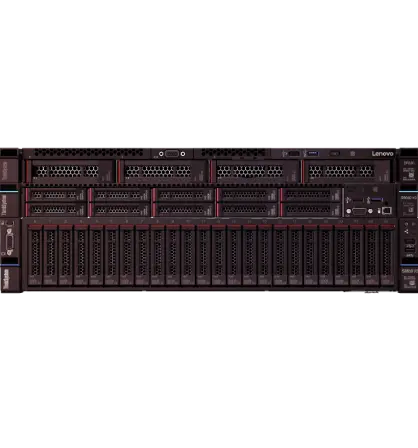
Modern businesses rely on strong digital systems to deliver services, store data and run applications every day. As organizations grow their infrastructure must support larger workloads, faster processing and reliable performance.
Data centers require computing systems that handle complex operations without slowing down business activity. High performance rack servers help organizations build this strong foundation because they deliver powerful processing efficient resource use and flexible scalability.
These systems support modern workloads such as virtualization analytics artificial intelligence and cloud platforms while maintaining consistent system stability. At the same time technology teams must manage rising demand from users, applications and connected devices.
When organizations adopt high-performance rack servers, they build a reliable environment that supports both current workloads and long term digital growth.
1. Deliver Powerful Performance for Growing Workloads
Data centers handle many different workloads every day. Applications process customer information, manage business systems and support online services that operate around the clock. Because of this workload growth, organizations require computing systems that deliver consistent and reliable performance.
High-performance rack servers provide strong processing power that helps organizations run demanding applications without delays. Modern processors and high memory capacity allow these servers to process large data sets quickly. This performance strength also improves user experience because applications respond faster and operate more smoothly.
When servers deliver strong performance data centers operate more efficiently and support business growth without performance limitations.
2. Improve Data Center Efficiency
Data center efficiency remains a critical priority for organizations that manage large technology environments. High performance servers help improve efficiency because they deliver greater computing output while using resources wisely.
Key Efficiency Advantages
- Advanced processors handle multiple workloads at the same time
- Optimized system design supports balanced memory storage and computing power
- Intelligent power management reduces unnecessary energy use
- Efficient cooling systems maintain stable operating temperatures
Because these features work together organizations achieve higher productivity from each server system. IT teams therefore manage workloads with fewer infrastructure resources while maintaining strong performance levels. This improvement supports both operational efficiency and long term cost control.
3. Support Scalable Infrastructure Growth
Technology demand continues to increase as businesses adopt digital services, cloud applications and data analytics platforms. Data centers therefore require infrastructure that grows alongside business operations.
High performance rack servers support scalable infrastructure because organizations can expand capacity without redesigning their entire environment. Additional systems integrate smoothly into existing racks which helps IT teams scale computing power step by step.
This scalable design also supports long term planning. Organizations can increase memory storage or processing capacity whenever workload demand grows. As a result the data center continues to support new applications services and data requirements while maintaining system stability.
Because of this flexibility businesses maintain infrastructure that evolves with technology innovation and operational growth.
4. Strengthen Reliability and System Stability
Data centers operate critical business systems that support financial transactions, customer services and enterprise applications. Because of this responsibility infrastructure reliability becomes essential.
High performance server platforms include advanced reliability features that protect system stability and reduce unexpected downtime.
Reliability Features That Strengthen Operations
- Redundant power supplies maintain continuous system operation
- Advanced cooling systems prevent overheating
- Hot swap storage drives support maintenance without service disruption
- Built in system monitoring detects hardware issues early
These features help IT teams maintain consistent performance across the entire data center environment. When infrastructure operates reliably organizations deliver uninterrupted services to customers, partners and internal teams.
5. Enable Flexible Workload Management
Modern data centers support a wide range of computing tasks. These tasks include virtualization platforms, cloud services analytics systems and artificial intelligence workloads. Because of this diversity, infrastructure must support flexible workload management.
High performance servers deliver this flexibility through balanced system architecture. Strong processor memory capacity and storage configurations allow organizations to run multiple applications on the same system.
IT teams therefore allocate resources efficiently across different workloads. For example virtualization environments can host several virtual machines while analytics systems process large volumes of data. This flexibility improves resource utilization and ensures that infrastructure supports many business functions at the same time.
As a result the data center becomes a dynamic computing environment that adapts to changing operational requirements.
6. Simplify Data Center Management
Managing a modern data center requires careful monitoring and control of many systems. High performance server platforms therefore include advanced management tools that help IT teams operate infrastructure efficiently.
Management Capabilities That Support IT Teams
- Remote monitoring tools track system health and performance
- Automated firmware updates maintain software reliability
- Centralized management platforms control multiple servers from one interface
- Real time alerts notify teams about potential system issues
These tools help administrators maintain visibility across the entire infrastructure environment. As a result IT teams respond quickly to performance changes and maintain system stability. This proactive management approach reduces operational complexity and improves overall data center reliability.
7. Prepare the Data Center for Future Innovation
Technology continues to evolve rapidly as organizations adopt artificial intelligence, machine learning, advanced analytics and edge computing platforms. Data centers must therefore support new technologies without requiring constant infrastructure replacement.
High performance rack servers help organizations prepare for this future because they deliver the computing power and scalability required for emerging workloads. Powerful processors, advanced memory architecture and flexible expansion options support modern innovation.
At the same time businesses gain the confidence to adopt new technologies because their infrastructure can handle increased processing demand. This forward ready design ensures that the data center continues to support digital transformation initiatives and advanced computing projects.
As organizations explore new opportunities, strong infrastructure becomes the foundation that enables long term innovation and competitive growth.
Conclusion
Every modern organization depends on reliable technology to support operations innovation and customer experiences. Data centers therefore play a central role in delivering the computing power that businesses require every day.
High performance infrastructure helps organizations manage growing workloads, maintain operational stability and support advanced applications across their digital environment.
High performance rack systems offer powerful processing, scalable architecture, efficient resource management and reliable system design. Together these capabilities create a technology foundation that supports both present needs and future innovation.
When organizations invest in high performance rack servers they strengthen the backbone of their digital operations and build a data center that continues to grow alongside business success.
Read more: How Does Cloud Computing Reduce Business Downtime?
