

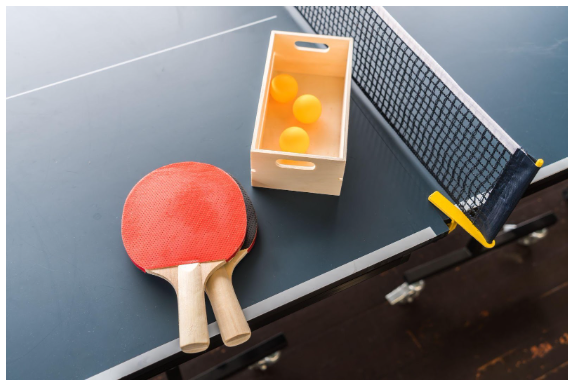
Selecting the right table tennis table becomes far easier when you understand the factors behind table tennis table cost. A premium table offers better durability, exceptional bounce, and long-term value, while a lower-budget option may still be suitable for casual indoor play. Because the market offers a wide range of models, materials, and features, making an informed buying decision requires clarity on what truly matters. Whether someone is setting up a dedicated sports room, building an office recreation zone, or upgrading equipment for a school or training academy, knowing how cost relates to quality is essential.
A table tennis table is not just a piece of sports equipment; it also plays a role in training accuracy, player development, and the overall experience of the game. Brands, materials, board thickness, portability, frame quality, and usage requirements influence pricing more than many buyers realize. Understanding these aspects helps avoid overspending and ensures buyers select a table that suits their performance expectations.
Understanding the Value Behind a Table Tennis Table
Good performance starts with reliable equipment. Buyers often assume high cost automatically equals high quality, but that’s not always accurate. Some mid-range models perform exceptionally well for amateur and intermediate players, while certain expensive options focus heavily on international certification or specialized build features. The point is to identify the purpose of the table and match it with the appropriate specification.
Indoor and outdoor tables differ significantly in terms of construction and pricing. Outdoor tables require weather-resistant materials, rust-proof frames, and anti-glare surfaces, increasing their cost compared to indoor units. Indoor tables, on the other hand, are more standardized and preferred by players who prioritize bounce consistency rather than weather resistance.
How Table Material and Thickness Influence Pricing
The playing surface remains the most crucial factor behind cost. Thicker boards generally offer superior consistency and accuracy in ball bounce. Professional-grade tables typically have 22mm to 25mm tops, while recreational tables range between 12mm and 18mm. Thicker boards require more material, stronger support frames, and enhanced finishing, all contributing to a higher price tag.
MDF (Medium Density Fibreboard) is the most common material for indoor tables because it delivers a smooth playing surface. Outdoor tables use aluminum composite or reinforced synthetic laminate to protect against the sun, humidity, and rain. Since advanced materials demand advanced engineering, their prices increase accordingly.
The Role of Frame Strength and Durability
A sturdy frame ensures long-term performance. Thinner legs, weak undercarriages, or low-quality metal reduce stability and can lead to early wear and tear. Heavy-gauge steel frames cost more but significantly enhance durability. Reinforced corner protectors, powder-coated finishes, and anti-rust technology also raise pricing, but they contribute to the longevity expected from a high-quality table.
Buyers should evaluate load-bearing capacity, leg width, and joining mechanisms. A stable frame prevents wobbling, keeps the bounce uniform during rallies, and extends the lifespan of the table.
Portability, Mobility, and Safety Features
Foldable tables are extremely popular because they save space and allow solo practice. These models include a playback mode, enabling players to fold one side upright. Mobility features such as high-quality wheels, brake systems, and locking mechanisms add to convenience but also influence the TT table price.
Safety features, particularly corner protection, anti-tilt locking systems, and child-safe folding mechanisms, also affect cost. These elements may not be significant for professional training spaces, but they matter greatly for homes, schools, and recreational centers.
Impact of Brand Reputation
A well-established brand usually offers better engineering standards, superior finish quality, and dependable customer support. Reputable manufacturers ensure precision in table levelness, frame integrity, and surface coating. While brand reputation tends to increase pricing, it also guarantees higher performance value.
Premium brands follow strict quality control processes, use durable materials, and provide clarity regarding warranty and after-sales service. These advantages often justify the additional cost for buyers seeking long-term satisfaction.
Indoor vs. Outdoor Usage and Its Effect on Pricing
Choosing between indoor and outdoor tables directly impacts cost. Outdoor tables are engineered for challenging conditions. They use weatherproof materials that resist fading, warping, and corrosion. This added resilience contributes to higher pricing when compared to indoor options designed solely for controlled environments.
Indoor tables require a smooth and consistent playing surface, often optimized for performance rather than durability against the elements. This makes indoor models more budget-friendly but less suitable for open areas such as balconies, gardens, or community sports grounds.
The Assembly and Maintenance Factor
High-quality tables typically include user-friendly assembly systems. Pre-attached parts, easy-to-align fittings, and clear instructions reduce setup effort. Advanced assembly systems add to manufacturing cost but enhance buyer convenience.
Maintenance also plays a role in long-term cost. Outdoor tables require occasional cleaning and rust prevention, while indoor tables primarily need surface care to maintain bounce consistency. Buyers must account for long-term upkeep, not just initial purchase pricing.
Comparing Prices Across Categories
Understanding price categories helps buyers match the right table to their level of play:
- Entry-Level Recreational Tables: Suitable for families, schools, or hobby players. Generally lighter and more cost-effective.
- Mid-Range Tables: Offer improved stability, better bounce consistency, and stronger frames. Ideal for regular players.
- Professional/Competition Tables: Built for tournaments and high-performance training. Premium materials and exceptional engineering justify the cost.
Making a Smart Buying Decision
A smart buyer evaluates usage, performance expectations, durability requirements, and budget range before making a decision. The goal is not to choose the most expensive table but to choose the table that offers the best value for the intended purpose. Understanding how specifications relate to performance ensures clarity and confidence in the final purchase.
Carefully checking thickness, build quality, warranty, bounce uniformity, and portability features helps prevent common mistakes. A methodical approach leads to better long-term satisfaction.
Conclusion
Selecting the ideal table becomes far simpler when buyers clearly understand how factors like material, thickness, brand quality, and features influence cost. Evaluating specifications thoughtfully ensures the best match between performance and value. A brand like ARGMAC, known for precision engineering and high-quality sports equipment manufacturing, offers reliable options for buyers seeking long-term durability and performance. Whether the goal is home recreation, school sports enhancement, or professional training, choosing the right supplier ensures a rewarding playing experience.
