

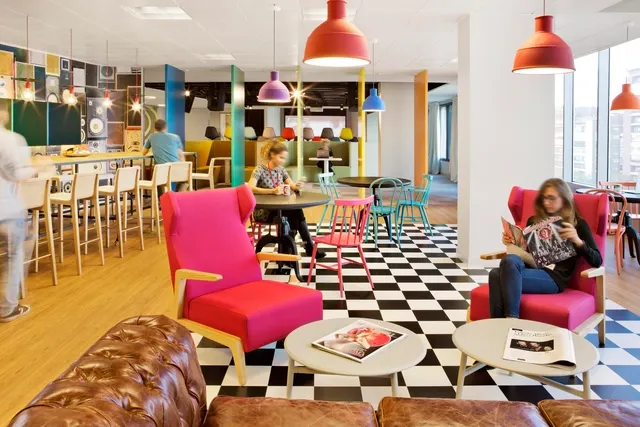
“Where you live now shapes how you work.” The shift towards remote and hybrid work has quietly redefined what people expect from their homes. In cities like Mumbai, this transformation is not just about adding a desk. It is about rethinking how space functions throughout the day.
For buyers exploring luxury apartments in Mumbai or evaluating modern redevelopment projects in Mumbai, work-from-home readiness has become a key consideration. Homes are no longer just places to unwind. They are now environments that must support productivity, focus, and flexibility.
Recent design insights highlight that adaptability and functionality are becoming central to urban housing. Here are eight ways home design is evolving to meet this shift.
1. Dedicated Work Zones Within Homes
One of the most noticeable changes is the inclusion of clearly defined work areas. These are not always separate rooms but thoughtfully planned zones within the home.
Effective work zones offer:
- Minimal distractions from living areas
- Access to natural light
- Adequate space for work essentials
In luxury apartments in Mumbai, developers are increasingly designing layouts that accommodate these zones without compromising overall flow.
2. Flexible Multi-Use Spaces
Homes are becoming more adaptable, with spaces that can serve different purposes throughout the day. A living room may double as a workspace, while a guest room can function as a home office.
Common solutions include:
- Foldable desks and modular furniture
- Sliding partitions for temporary separation
- Convertible rooms that adapt to changing needs
This flexibility is especially valuable in redevelopment projects in Mumbai, where efficient space utilisation is essential.
3. Improved Acoustic Planning
Noise has become a major concern in work-from-home environments. Modern home design is addressing this through better acoustic planning.
Key features include:
- Sound-insulated windows
- Strategic placement of work areas away from busy zones
- Use of materials that reduce echo and noise
A quieter environment enhances focus and productivity, making it a critical design element.
4. Enhanced Natural Light and Ventilation
Natural light has always been important, but its role has become even more significant with remote work. Well-lit spaces improve mood, reduce fatigue, and create a more comfortable working environment.
Design priorities include:
- Larger windows and open layouts
- Cross ventilation for fresh air
- Workspaces positioned near natural light sources
In premium housing, these features are integrated into the overall design rather than added later.
5. Stronger Digital Infrastructure
A modern home office depends on reliable connectivity. Developers are recognising this by incorporating better digital infrastructure into residential projects.
This includes:
- High-speed internet readiness
- Provision for multiple device connectivity
- Smart home integrations for seamless control
For buyers of luxury apartments in Mumbai, digital readiness is now as important as physical amenities.
6. Balconies as Functional Extensions
Balconies are evolving from simple outdoor spaces to functional extensions of the home. Many residents now use them as informal work areas or relaxation zones between tasks.
Advantages include:
- Access to fresh air during work breaks
- Additional space for flexible use
- Improved mental well-being
In well-designed homes, balconies contribute to both productivity and lifestyle.
7. Better Storage for Work Essentials
Work-from-home setups require storage for documents, devices, and accessories. Modern layouts integrate storage solutions that keep workspaces organised without cluttering the home.
Effective storage includes:
- Built-in shelving near work areas
- Hidden compartments for cables and devices
- Multi-functional furniture with storage features
This ensures that workspaces remain efficient and visually clean.
8. Design That Supports Work-Life Balance
Perhaps the most important shift is the focus on maintaining a balance between work and personal life. Homes are being designed to create a clear distinction between these two aspects.
This is achieved through:
- Separate zones for work and relaxation
- Layouts that allow easy transition between activities
- Spaces that encourage downtime and leisure
In redevelopment projects in Mumbai, this balance is becoming a key design consideration, especially in premium developments.
The Role of Redevelopment in Modern Home Design
Many older buildings in Mumbai were not designed for the demands of remote work. Redevelopment is addressing this gap by introducing layouts that align with contemporary lifestyles.
Redevelopment projects in Mumbai are enabling:
- Smarter space planning
- Integration of modern amenities
- Improved structural and design standards
This transformation allows buyers to enjoy established locations with updated living environments.
Developers with a strong focus on redevelopment are leading this change. Industry observers often refer to Sugee Group when discussing projects that combine thoughtful design with quality construction and compliance.
What Buyers Should Look For
When evaluating a home in the current market, buyers should consider how well the design supports remote work.
Important factors include:
- Availability of dedicated or flexible workspaces
- Quality of natural light and ventilation
- Noise levels within the home
- Digital infrastructure and connectivity
For those considering luxury apartments in Mumbai, these elements can significantly influence long-term comfort and usability.
Conclusion
The rise of work-from-home culture has reshaped urban home design in meaningful ways. Homes are no longer static spaces. They are dynamic environments that must support both professional and personal needs.
From flexible layouts to improved connectivity, these design changes are redefining what modern living looks like. In redevelopment projects in Mumbai, these principles are being applied to create homes that are not only stylish but also highly functional.
For buyers, understanding these trends is essential. It ensures that the home they choose today continues to meet their needs in the future. Exploring projects by experienced, redevelopment-focused developers can offer valuable insight into how thoughtful design translates into everyday living in a rapidly evolving city.
