

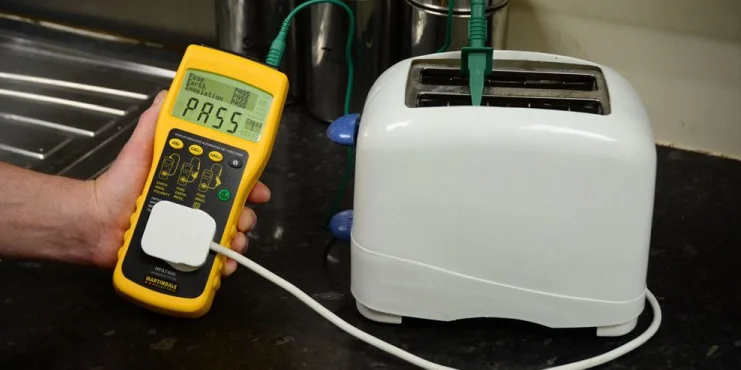
Portable Appliance Testing (PAT) is a crucial service for businesses, landlords, and organizations across London. Ensuring that electrical appliances are safe to use not only protects employees, clients, and residents but also guarantees compliance with UK safety regulations. In 2026, PAT Testing in London remains an essential part of health and safety management, providing peace of mind and reducing risks associated with electrical faults.
PAT testing involves inspecting and testing electrical appliances to identify any potential hazards, such as faulty wiring, damaged plugs, or insulation issues. This process is essential for workplaces, offices, schools, healthcare facilities, rental properties, and commercial spaces
Why PAT Testing is Important in London
London, as a bustling hub of business and residential activity, demands strict adherence to electrical safety standards. PAT testing is vital for several reasons:
Compliance with Legal Requirements
Under the Electricity at Work Regulations 1989 and the Health and Safety at Work Act 1974, employers are responsible for maintaining a safe environment, which includes regularly testing electrical appliances. Failure to comply can result in fines, legal action, and increased insurance premiums.
2. Protecting Employees and Clients
Faulty electrical appliances can lead to electric shocks, fires, or other hazardous incidents. Regular PAT testing ensures that appliances in use are safe, minimizing the risk of accidents and injuries.
Insurance Compliance
Many insurance policies require evidence of regular PAT testing. Ensuring that all electrical equipment is tested can prevent claims from being rejected in case of accidents.
Cost-Effective Maintenance
Identifying and repairing minor electrical issues during PAT testing can prevent costly repairs or replacement in the future. This proactive approach saves money and reduces downtime in business operations.
How PAT Testing Works in London
Professional PAT testing involves a combination of visual inspections and electrical testing to assess the safety of appliances. The process typically includes:
Visual Inspection
A certified technician examines the appliance for visible defects, such as frayed cords, damaged plugs, or broken casing. This step helps identify obvious hazards before electrical testing.
Electrical Testing
Using specialized equipment, the technician measures insulation resistance, earth continuity, and polarity to ensure the appliance is safe to operate. The testing process varies depending on the type of appliance.
Labelling and Documentation
Once testing is complete, appliances are labelled with the date of the test and the next scheduled inspection. Detailed records are kept to provide evidence of compliance and facilitate future inspections.
Regular Testing Schedule
PAT testing should be carried out regularly based on the type of appliance, usage frequency, and risk assessment. High-risk equipment may require annual testing, while lower-risk devices may be tested every two to four years.
Types of PAT Testing Services Available in London
PAT testing services in London cater to a wide range of businesses and organizations. Popular options include:
Office PAT Testing
Offices contain numerous electrical devices, including computers, printers, kettles, and photocopiers. Regular testing ensures a safe working environment for staff and clients.
Commercial PAT Testing
Retail stores, restaurants, and hospitality venues rely heavily on electrical equipment. PAT testing protects customers and employees, ensuring compliance with health and safety regulations.
Landlord PAT Testing
Rental properties must provide safe electrical appliances to tenants. PAT testing helps landlords meet their legal obligations and maintain tenant safety.
Educational Institutions
Schools, colleges, and universities require regular PAT testing for classrooms, laboratories, and offices. This protects students, teachers, and staff from electrical hazards.
Healthcare Facilities
Hospitals, clinics, and care homes use specialized equipment that must be regularly tested to ensure safety and avoid operational disruption.
Benefits of PAT Testing in London
Investing in PAT testing provides numerous benefits for businesses, landlords, and organizations:
- Legal Compliance: Ensures adherence to UK safety regulations.
- Safety Assurance: Reduces the risk of accidents and injuries.
- Cost Savings: Prevents costly repairs and downtime.
- Insurance Compliance: Meets insurance policy requirements.
- Peace of Mind: Confirms that all appliances are safe to use.
Choosing a PAT Testing Service Provider in London
When selecting a PAT testing company, consider the following:
- Accreditation and Certification: Choose providers with qualified and certified technicians.
- Experience and Reputation: Look for companies with positive reviews and extensive experience.
- Comprehensive Services: Ensure they offer both visual inspections and electrical testing.
- Flexible Scheduling: Providers should accommodate your operational hours.
- Clear Reporting: Detailed documentation is essential for compliance and records.
FAQs
1. What is PAT testing?
PAT testing is the process of inspecting and testing electrical appliances to ensure they are safe for use and comply with health and safety regulations.
2. Who needs PAT testing in London?
Businesses, landlords, schools, healthcare facilities, and any organization using electrical appliances are responsible for regular PAT testing.
3. How often should PAT testing be done?
The frequency depends on the type of appliance and its usage. High-risk equipment may require annual testing, while lower-risk items may be tested every two to four years.
4. Is PAT testing mandatory in the UK?
While PAT testing is not legally mandatory, the Electricity at Work Regulations 1989 and Health and Safety at Work Act 1974 require employers to maintain safe electrical equipment, making PAT testing a recommended practice.
5. How long does a PAT test take?
The duration depends on the number of appliances and complexity of the site. A small office may take a few hours, while larger commercial properties may require a full day.
6. What appliances are covered in PAT testing?
PAT testing covers portable electrical appliances, including computers, kettles, printers, microwaves, power tools, and other plug-in devices.
7. Can landlords be held liable for faulty appliances?
Yes. Landlords are legally responsible for ensuring all appliances provided in rental properties are safe and compliant with safety regulations.
8. How do I know if my appliances pass the test?
After testing, each appliance is labelled with the test date and result. A detailed report is provided by the testing company for record-keeping and compliance.
PAT testing in London is a crucial service for ensuring electrical safety, legal compliance, and peace of mind. By investing in professional PAT testing, businesses, landlords, and organizations can protect their employees, clients, and tenants while meeting regulatory requirements. With regular inspections, detailed reporting, and expert guidance, PAT testing reduces risks, prevents accidents, and helps maintain a safe environment for everyone. In 2026, PAT testing remains an essential aspect of responsible and proactive electrical safety management in London.
