

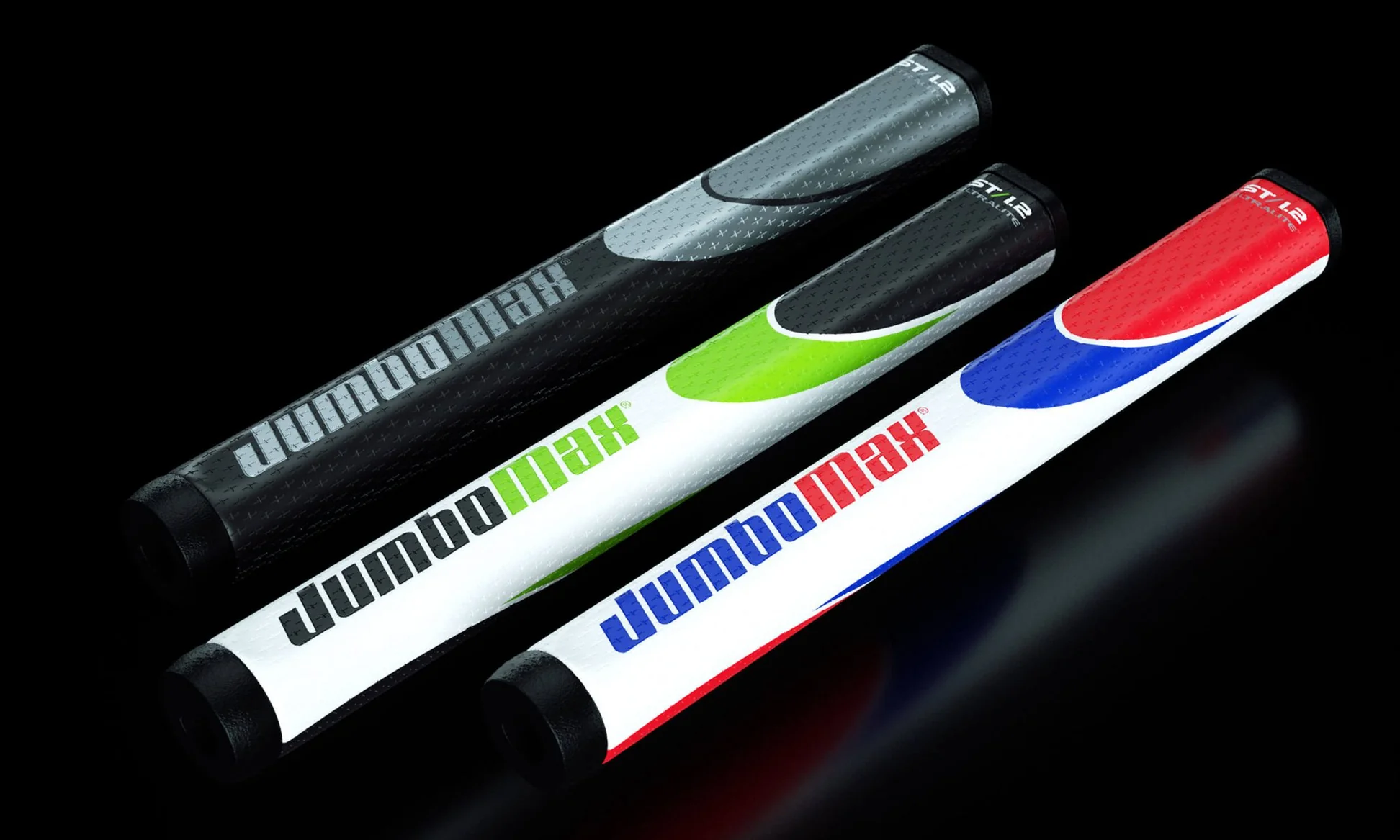
The right golf putter grips can be a lifesaver to golfers experiencing hand fatigue, joint pain, or arthritis. These conditions place a strain on your hands, particularly when you have to make a putting stroke that needs delicate touch and control. The right grip, though, can help you to relax, get more stable, and you will even have a better time on the greens.
The following are examples of the best putter grips and considerations to make in order to select the most comfortable and effective ones.
Why Grip Design is Important to Arthritis or Hand Fatigue
Putting is a skill game, and the only point of contact between the body and the putter is the grip. When your hands are sore or fatigued, a traditional slim or tapered grip may make you grip it too tightly, creating tension, inconsistency, and even pain. The correct golf grips for putters are used to fit fatigue or arthritis:
- Lessening the necessity of a tight grip.
- Reducing the vibration or shock in the stroke.
- Sharing the burden of pressure in your hands.
- Stimulating a healthier, more consistent putting motion.
Key Features to Look for in Putter Grips for Sensitive Hands
These are the features to consider when purchasing arthritis-friendly golf grips for putters:
- Oversized or Non-Tapered Shapes
No-taper or larger grips allow you to grip the putter more easily. This causes less tension on the joints and enables both hands to be more stable during the stroke.
- Soft, Shock-Absorbing Material
Soft polymer golf grips for putters, elastomers or other shock-absorbing materials are used to absorb the vibration that can cause sore joints to become worse.
- Tacky or Textured Surface
A somewhat sticky touch offers grip security without a death grip. Your hold can also be enhanced using textures or patterns without tightening.
- Lightweight or Balanced Core
Other grips include a twist-resistant core or are weighed in such a way as to make the putter feel steadier without being unduly heavy, thereby reducing the fatigue of your hands.
Top Putter Grip Options for Hand Comfort
Based on the type of golf putter grips that exist (including those found in dedicated grip stores), the following are some of the best options that golfers can make with hand fatigue or arthritis:
- Jumbo/Oversized Putter Grips
Joint discomfort is treated with oversized grips. They are larger in diameter, allowing you to hold on to them without having to squeeze so hard to control them. Arthritic golfers claim that they find it much easier to hold and swing these with a much looser grip and more effortless swing.
- Paddle or Flat Grips
Grips of the paddle type tend to be a bit thicker and flatter, which effectively distributes the pressure across a larger section of the hand. Their shape encourages a soft grip and stabilizes your hands during the stroke due to this shape.
- Polymer or Elastomer Grips
The soft polymer materials are plush and forgiving. These materials absorb a greater part of the shock and feedback that you would otherwise experience upon hitting something, alleviating the jarring jolts that can worsen arthritis.
- No-Taper / Counter-Core Grips
No taper grips (grips which have a constant thickness) also decrease the grip tension and balance both hands. Others also have a core that does not twist easily, providing consistent feedback without the need to squeeze.
- Arthritic-Specific Grips
Special golf grips for putters have been developed that are specific to golfers with arthritic joint problems. They are usually too large, cushioned, and designed to reduce stress on the hands. Numerous grip manufacturers providing a broad category of golf putter grips also sell so-called arthritic grips or comfort grips.
How to Install and Use These Grips Effectively
- Install correctly: Regrip correctly to make the grip feel good. Poorly fitted grips or badly fitted grips may contribute to hand strain.
- Grip Pressure: Have a lighter grip. Among the advantages of conformed, ergonomic grips is the fact that they cause a softer grip – put that to the test.
- Warm-Up: Before rounding, do some light hand exercises or a warm-up putt to loosen up stiff joints.
- Maintain: Keep the grip clean. The sweat and dirt can make you grip tighter, and mild cleaning can help keep it tacky.
Wrapping Up
When you are experiencing hand fatigue or arthritis in the putting game, you do not need to tolerate it. A good upgrade on the correct type of golf grips on putters, like oversized, soft, or shock-absorbing, can take the stress off the joints, increase their stability, and allow you to make more confident putts.
To enjoy a variety of high-quality golf putter grips that can be tailored to meet specific comfort-based and joint-friendly playing preferences, you may want to take a look at the putter-grip line of Golf National. They have ergonomically designed and arthritic friendly grips that are carefully designed to suit players who would give more consideration to the feel and comfort.
