

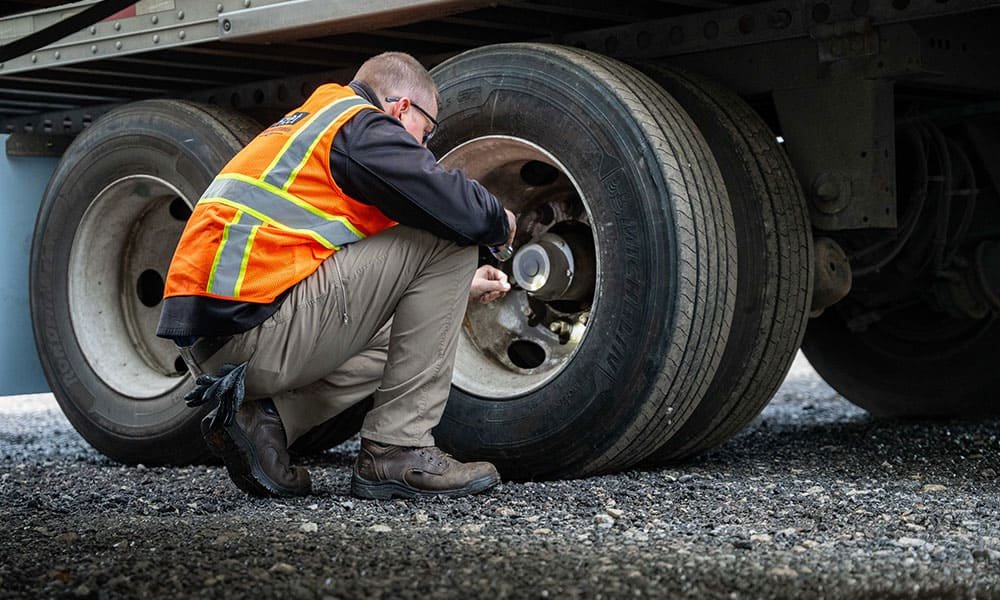
In fleet operations, trailers often don’t get the same attention as trucks, but they should. A trailer sitting in poor condition can slow down loading, increase safety risks, and quietly reduce overall efficiency across your entire operation. Smart fleet managers understand that consistent trailer repair services are not just about fixing damage, but they’re about keeping freight moving without interruption.
For owner-operators and fleet managers already balancing fuel costs, driver schedules, and delivery deadlines, trailer issues can easily become an overlooked source of downtime. The key is not reacting when something breaks, but building simple, repeatable practices that keep trailers road-ready all the time.
Why trailer maintenance is often overlooked—but costly
Unlike trucks, trailers don’t have engines or dashboards screaming for attention. That’s exactly why issues often go unnoticed until they become serious.
A worn-out suspension, faulty lights, or damaged flooring might not stop a trailer immediately, but they can slow down loading times, create compliance risks, or even lead to roadside violations.
Over time, these small inefficiencies add up. A trailer that takes longer to inspect, load, or repair affects dispatch schedules and puts pressure on the entire fleet.
This is why treating trailer repair services as a routine process, not a reactive fix, is essential for operational stability.
Best practice 1: Run consistent visual inspections
One of the simplest but most effective habits is regular visual inspection. Before and after trips, trailers should be checked for obvious issues like:
- Tire wear or uneven tread
- Brake line damage or leaks
- Loose or missing fasteners
- Lighting failures
- Floor cracks or structural damage
Drivers should be trained to report issues immediately instead of “waiting until the next stop.” Many trailer problems start small and worsen quickly under load stress.
Even basic inspection routines can prevent unexpected downtime and reduce dependency on emergency fixes.
For fleets that don’t have time for in-house inspections, mobile support options like Epika Fleet help ensure trailers are checked and repaired on-site without disrupting daily operations.
Best practice 2: Don’t ignore suspension and axle wear
Suspension issues are one of the most common but least noticed trailer problems. Over time, heavy loads cause wear on leaf springs, bushings, and hangers.
Signs like uneven tire wear, leaning trailers, or bouncing during transport often point to suspension problems. If ignored, these issues can lead to tire blowouts or unstable hauling conditions.
Axle misalignment is another issue that slowly reduces fuel efficiency and increases tire costs. It doesn’t usually fail suddenly, but it gets more expensive the longer it’s left untreated.
Scheduling regular trailer repair services for suspension checks helps avoid these long-term cost leaks that many fleets don’t immediately connect to trailer condition.
Best practice 3: Keep braking systems in top condition
Trailer brakes are directly tied to safety and compliance. Unlike truck brakes, trailer brake issues are often harder for drivers to notice until performance drops significantly.
Common warning signs include:
- Delayed braking response
- Pulling to one side during braking
- Unusual noise during stops
- Uneven brake pad wear
Ignoring these signs increases stopping distance and puts both drivers and cargo at risk.
Preventive brake inspections should be part of every fleet’s routine maintenance cycle. Many fleets integrate this into scheduled visits from providers like Epika Fleet to ensure braking systems stay compliant and reliable.
Best practice 4: Don’t delay electrical system fixes
Trailer lighting and electrical systems are often taken for granted until something goes wrong. Faulty lights are not just a visibility issue; they can lead to compliance violations and roadside delays.
Common electrical issues include:
- Broken or dim tail lights
- Faulty turn signals
- Wiring corrosion
- Intermittent power loss
These problems often start small but can quickly spread if moisture or vibration worsens the damage.
Fast response is key. Delaying trailer repair services for electrical issues usually leads to more extensive rewiring and higher repair costs later.
Best practice 5: Monitor trailer flooring and structure
Trailer floors take constant abuse from heavy cargo, forklifts, and repeated loading cycles. Over time, this leads to cracking, soft spots, or structural weakening.
If left unaddressed, floor damage can become a safety risk during loading and unloading. It can also damage cargo and slow down warehouse operations.
Structural issues like bent frames or damaged side panels are even more critical. These problems can affect load balance and trailer stability during transit.
Regular inspections help catch these issues early before they turn into expensive structural repairs. Consistent trailer repair services play a big role in maintaining trailer integrity over time.
Best practice 6: Standardize maintenance schedules across your fleet
One of the biggest inefficiencies in trailer management is inconsistency. Some trailers get serviced regularly, while others are only checked when problems appear.
Standardizing maintenance schedules ensures every unit receives equal attention. This includes:
- Monthly visual inspections
- Quarterly brake checks
- Seasonal suspension reviews
- Annual structural assessments
When maintenance becomes predictable, downtime becomes predictable too, and that’s a good thing for fleet planning.
This is where structured support from providers like Epika Fleet can help fleets maintain consistency without adding internal workload.
Best practice 7: Train drivers to report early warning signs
Drivers are the first line of defense when it comes to trailer issues. They notice vibrations, noise changes, and handling differences long before a scheduled inspection.
However, in many fleets, drivers either don’t report small issues or assume they’re not important.
Training drivers to report early signs, such as:
- Unusual trailer sway
- Delayed braking response
- Strange noises during transport
- Lighting issues
can significantly reduce unexpected breakdowns.
A strong communication loop between drivers and maintenance teams makes trailer repair services far more effective.
The impact of proactive trailer care on fleet efficiency
When trailer maintenance becomes proactive instead of reactive, fleets notice immediate operational improvements.
You get:
- Faster loading and unloading
- Fewer roadside issues
- Reduced emergency repair costs
- Better fuel efficiency
- Improved safety compliance
But the biggest improvement is consistency. Trucks and trailers stay in service longer, and schedules become more predictable.
That predictability is what allows fleets to scale without constantly dealing with breakdown-related disruptions.
Final thoughts
Trailers may not get as much attention as trucks, but they play just as important a role in keeping freight moving. Ignoring small issues today almost always leads to bigger problems tomorrow.
Building strong habits around inspections, reporting, and scheduled maintenance is what keeps operations stable. And when fleets commit to consistent trailer repair services, they reduce downtime before it has a chance to spread across the system.
With support from solutions like Epika Fleet, maintenance becomes less reactive and more controlled, helping fleets stay efficient, safe, and ready for the next load without unnecessary delays.
