

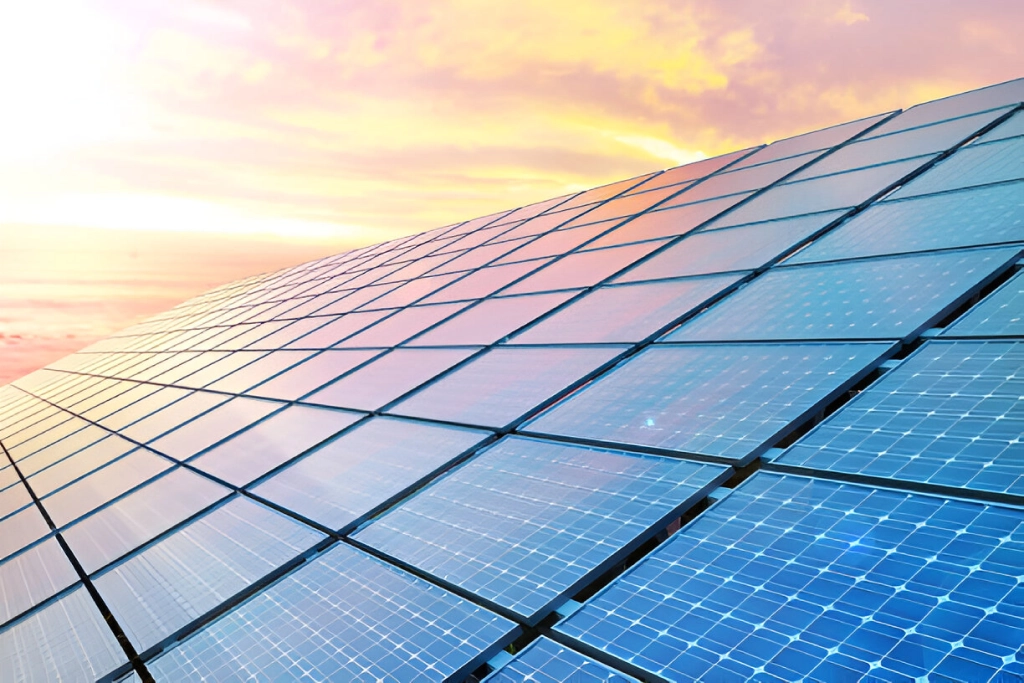
Solar energy is becoming one of the most reliable and affordable sources of power in India.
PM Surya Ghar Assam: Eligibility, Subsidy Rates and Process 2025
To encourage more families to install rooftop solar systems, the Government of India launched the PM Surya Ghar Muft Bijli Yojana. In Assam, thousands of households are now showing interest in this scheme because it offers high subsidies, reduced electricity bills, and long-term savings. If you are planning to apply for solar in 2025, this guide will help you understand everything clearly.
In this blog, we will explain the eligibility, subsidy rates, documents required, and the complete step-by-step process to apply under the scheme. If you are searching for the required details for the term pm surya ghar assam, this article covers every important point you need.
1. Introduction to PM Surya Ghar Muft Bijli Yojana (Assam)
PM Surya Ghar Muft Bijli Yojana is a central government scheme designed to support residential households in adopting rooftop solar. Under this scheme, families can install solar panels at a lower cost because the government offers subsidies directly to the beneficiary’s bank account.
The major goal of the scheme is to help households generate their own electricity and reduce dependency on the power grid. By doing this, the government wants to make every home more energy-independent while also reducing electricity expenses for the long term.
In Assam, the scheme is actively promoted through the state distribution companies (DISCOMs). The subsidies offered under this scheme in 2025 make rooftop solar a highly affordable option for small, medium, and large households.
2. Why PM Surya Ghar Scheme is Important for Assam?
Assam faces frequent power cuts, especially during peak hours and summer months. Many households also face increasing electricity bills due to long-term usage of fans, refrigerators, air conditioners, and water pumps.
Installing a rooftop solar system under the PM Surya Ghar scheme solves many of these issues:
- You get reliable power during the day.
- Your monthly electricity bill becomes very low.
- Maintenance cost is minimal.
- The subsidy reduces your initial investment.
- The system produces clean, renewable energy that benefits the environment.
For a state like Assam, where power reliability varies, rooftop solar offers stability and long-term financial savings.
3. Key Features of PM Surya Ghar Assam 20253.1 High Subsidy Rates in 2025
The subsidy has been revised to help more families install solar panels. This helps reduce upfront costs significantly.
3.2 Easy Online Application
The entire registration and approval process is done online through the national solar portal, making it simple and transparent.
3.3 Subsidy Direct to Bank (DBT)
Once the system is installed and inspected, the subsidy is transferred directly to your bank account.
3.4 Multiple System Options
You can choose from small to large solar systems based on your monthly electricity usage.
3.5 Support for Net Metering
Net metering allows you to send extra solar energy back to the grid. This helps further reduce your bill.
4. Eligibility Criteria for PM Surya Ghar Assam 2025
Before applying, make sure you meet the following conditions:
4.1 Residential Category Only
This scheme is only for residential houses. Commercial properties are not eligible.
4.2 Applicant Must Be the Legal Owner
The applicant must own the house or have legal rights to install solar on the rooftop.
4.3 Must Have a Valid Electricity Connection
The electricity connection should be in the applicant’s name.
4.4 Family Must Not Have Claimed Previous Rooftop Subsidy
If your family has already received rooftop solar subsidy earlier, you cannot apply again.
4.5 Sufficient Rooftop Space
A clear and shadow-free roof is required for solar panels.
4.6 Aadhaar-linked Bank Account
This is required for receiving the DBT subsidy.
Meeting all these eligibility criteria ensures smooth approval of your application.
5. Documents Required for PM Surya Ghar Assam 2025
You need the following documents during registration and approval:
- Aadhaar card
- PAN card
- Recent electricity bill
- Bank passbook with account details
- Mobile number linked with Aadhaar
- ID proof and address proof
- Rooftop photos (sometimes required after inspection)
Keep these documents ready before applying to avoid delays.
6. Subsidy Rates Under PM Surya Ghar Assam (2025)
The government offers attractive subsidies based on the size of the solar plant. The slab-wise rates below will help you choose the right system for your home.
6.1 1 kW System
- Recommended for: Small households
- Estimated subsidy: Up to ₹30,000
6.2 2 kW System
- Recommended for: Medium households
- Estimated subsidy: Up to ₹60,000
6.3 3 kW System
- Recommended for: Families with higher usage
- Estimated subsidy: Up to ₹78,000
6.4 Above 3 kW
For systems above 3 kW, the subsidy amount may vary based on government norms. Usually, you get subsidy benefits only up to 3 kW, but the remaining capacity can still be installed depending on your needs.
7. Cost Breakdown After Subsidy (Approx)
These approximate price ranges will help you understand your final cost after subsidy:
1 kW Solar
- Before subsidy: ₹70,000–₹85,000
- After subsidy: ₹40,000–₹55,000
2 kW Solar
- Before subsidy: ₹1,40,000–₹1,60,000
- After subsidy: ₹80,000–₹1,00,000
3 kW Solar
- Before subsidy: ₹1,90,000–₹2,20,000
- After subsidy: ₹1,10,000–₹1,40,000
Costs vary slightly depending on brand, location, and installation type.
8. Benefits of Installing Solar Through PM Surya Ghar Assam
The scheme offers multiple long-term advantages.
8.1 Reduce Electricity Bills
Most households can save 70% to 90% on monthly bills.
8.2 Long Lifespan
Solar panels last 25–30 years with minimal maintenance.
8.3 Low Maintenance Needs
Just cleaning the panels regularly helps maintain efficiency.
8.4 Environment Friendly
Solar energy reduces carbon emissions and supports a cleaner Assam.
8.5 Increases Property Value
Homes with solar systems often have higher resale value.
9. Step-by-Step Process to Apply for PM Surya Ghar Assam 2025
Follow these clear steps to apply:
Step 1: Visit the National Solar Rooftop Portal
Go to the official website of the National Portal for Rooftop Solar.
Step 2: Register Using Your Mobile Number and Email
Create your account and log in.
Step 3: Fill in Consumer Details
Provide your electricity consumer number, district, and DISCOM details.
Step 4: Apply for Rooftop Solar
Choose the system capacity (1 kW, 2 kW, 3 kW, etc.) based on your energy usage.
Step 5: Select an Empanelled Vendor
The portal will list all government-approved vendors for Assam. Choose one from the list.
Step 6: Site Inspection
The vendor will visit your home to examine your rooftop and electricity setup.
Step 7: System Installation
Once approved, the installation process will begin. This includes:
- Mounting solar panels
- Connecting the inverter
- Setting up wiring and safety equipment
- Installing protections and earthing
Step 8: Net Meter Installation
Your DISCOM will install a net meter. This helps track how much solar energy you generate and use.
Step 9: Final Inspection
After installation, DISCOM officials will check the system and verify its quality and safety.
Step 10: Subsidy Transfer
Once approved online by DISCOM, the subsidy amount is sent directly to your bank account.
10. How to Choose the Right Solar Capacity?
Choosing the right solar system size is important. Here is a simple guide:
If your monthly bill is below ₹1000
Choose: 1 kW system
If your monthly bill is ₹1000–₹2000
Choose: 2 kW system
If your monthly bill is above ₹2000
Choose: 3 kW or 5 kW system
You must also check the rooftop space:
- 1 kW = approx. 100 sq. ft.
- 2 kW = approx. 200 sq. ft.
- 3 kW = approx. 300 sq. ft.
11. Common Mistakes to Avoid While Applying
Many applicants face delays due to avoidable errors. Here are mistakes to avoid:
11.1 Submitting Incorrect Documents
Make sure Aadhaar, PAN, and electricity bill details match.
11.2 Not Choosing a Government-approved Vendor
Only empanelled vendors are allowed.
11.3 Choosing the Wrong System Size
Select the system based on actual electricity usage.
11.4 Not Checking Rooftop Shade
Panels must get sunlight for at least 4–5 hours daily.
11.5 Delayed Bank Details Update
Ensure your bank account is active and linked with Aadhaar.
12. Frequently Asked Questions (FAQ)Q1. How long does the entire process take?
Usually 1 to 3 months depending on vendor and DISCOM approval.
Q2. Can tenants apply for the scheme?
Only if they have permission from the property owner and the electricity connection is in their name.
Q3. What happens if excess power is generated?
It goes to the grid through net metering and helps reduce your bill.
Q4. Do I need a battery?
Not necessary for net-metering systems, but optional for backup during outages.
Q5. Is maintenance expensive?
No. Simple panel cleaning once or twice a month is usually enough.
13. Final Tips for a Smooth Application
- Use the national portal only.
- Choose a trusted and approved vendor.
- Keep all documents ready.
- Take photos of your rooftop for inspection.
- Compare multiple installation quotes if possible.
14. Conclusion
PMsurya ghar yojana assam is a powerful opportunity for families who want to reduce their electricity bills and shift to renewable energy in 2025. With high subsidies, easy online registration, and long-term savings, the scheme is beneficial for every household. If you are planning to move to green energy and want a smooth installation experience, Solar Prabha can guide you throughout the process with professional support.
