

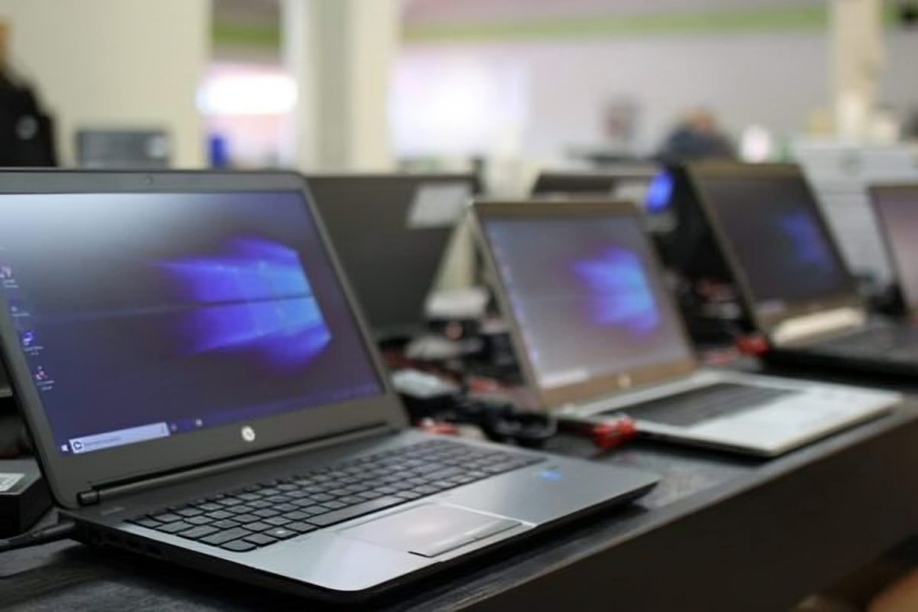
The second-hand technology market has evolved dramatically over the past decade, yet most Australians still gravitate toward entry-level retail laptops when budget constraints limit their options. This habitual behaviour often leads to disappointing purchases that struggle with basic tasks within months. Meanwhile, a superior alternative sits overlooked in the refurbished market: decommissioned government machines that offer enterprise-grade specifications at consumer-friendly prices.
Understanding why ex-government laptops consistently outperform cheap new store models requires examining the fundamental differences in their origin, construction, and intended use. Government agencies don’t purchase technology the way individual consumers do. Their procurement processes demand durability, serviceability, and long-term reliability—qualities that budget consumer laptops rarely possess. When these machines reach the end of their governmental service life, they typically have years of useful performance remaining for everyday users.
The economics behind this phenomenon stem from depreciation curves and institutional purchasing power. A laptop that cost $2,500 new three years ago enters the refurbished market at a fraction of that price, yet its hardware capabilities often surpass what you’d find in a $600 brand-new consumer model. This value proposition becomes even more compelling when you consider the build quality disparity between enterprise and consumer-grade devices.
The Enterprise Advantage: Built Different From Day One
Commercial-grade laptops destined for government use undergo substantially different manufacturing processes than their consumer counterparts. Manufacturers like Dell, HP, and Lenovo maintain separate product lines specifically for enterprise clients, incorporating components and design philosophies that prioritise longevity over cost reduction.
The chassis construction alone tells a revealing story. Enterprise models typically feature magnesium alloy or carbon fibre reinforcement rather than the plastic housings common in budget consumer laptops. These materials resist flexing, which protects internal components from the micro-stresses that accumulate through regular use. Independent testing by laptop review organisations consistently demonstrates that business-class machines withstand significantly more physical abuse before experiencing failures.
Thermal management represents another critical distinction. Government-specification laptops incorporate more robust cooling systems with larger heat sinks and strategically positioned ventilation. This engineering prevents the thermal throttling that plagues many budget models, where processors reduce performance to avoid overheating. Users experience this as inexplicable slowdowns during routine tasks—a frustration that properly cooled enterprise machines avoid.
Component selection extends beyond processors and RAM. Enterprise laptops utilise higher-grade batteries designed for thousands of charge cycles rather than hundreds. Their keyboards feature individual key switches rated for millions of presses, compared to membrane keyboards in budget models that develop mushy, unresponsive keys after moderate use. Even seemingly minor elements like hinges receive reinforced engineering, explaining why refurbished government laptops rarely exhibit the wobbling screens that plague aging consumer devices.
The Reality of “New” Budget Laptops
Retail stores stock entry-level laptops that appear attractive on specification sheets but reveal their limitations through daily use. Marketing emphasises headline specifications—processor speed, RAM capacity, storage size—while obscuring quality differences that determine real-world performance and longevity.
A $500 laptop marketed as having a “quad-core processor” might technically deliver on that claim whilst omitting that it’s a low-power chip designed for tablets, incapable of sustained performance. Similarly, “8GB RAM” sounds adequate until you discover it’s soldered to the motherboard, eliminating any possibility of future upgrades. These design choices prioritise manufacturing cost over user experience, creating devices that become obsolete within their practical lifespan.
Storage configurations particularly demonstrate this disparity. Budget new laptops often pair small solid-state drives with mechanical hard drives to reach advertised capacities. This hybrid approach sounds clever but results in slower overall system performance, as the mechanical drive becomes a bottleneck. Refurbished enterprise machines, by contrast, typically arrived with pure SSD configurations from their original deployment, maintaining snappy performance years later.
Display quality represents another area where budget models make uncomfortable compromises. Screen panels with limited colour accuracy, narrow viewing angles, and dim backlights create eye strain during extended use. Government-specification laptops originally shipped with higher-quality displays because institutional buyers recognised that poor screens reduce employee productivity—a concern that budget consumer manufacturers don’t share.
Total Cost of Ownership: The Three-Year Calculation
Financial analysis of technology purchases must extend beyond initial price tags to encompass the entire ownership period. A $550 budget laptop that requires replacement after 18 months costs significantly more than a $650 refurbished enterprise machine lasting five years.
Failure rates provide quantifiable evidence for this argument. Industry repair data indicates that consumer-grade laptops experience significantly higher component failure rates within their first three years compared to enterprise models during years three through six of their lifespan. These failures don’t just create replacement costs—they generate productivity losses, data recovery expenses, and the time burden of shopping for replacements.
Upgradeability dramatically impacts long-term value. Most refurbished government laptops feature accessible RAM slots and storage bays, allowing users to extend their device’s relevance as software demands increase. Budget consumer laptops increasingly solder components directly to motherboards, making upgrades impossible. This forced obsolescence benefits manufacturers but punishes consumers who hoped their purchases would last.
Resale value calculations further favour refurbished enterprise machines. A well-maintained business-class laptop retains market demand because buyers recognise its quality foundation. Budget consumer laptops depreciate to near-zero within two years because potential buyers understand their limitations and remaining lifespan.
Learn more: https://valuegadgets.com.au/
Performance Reality: Specifications Versus Experience
Raw specifications tell an incomplete story about computing performance. A refurbished laptop with a three-year-old Intel Core i5 processor often delivers superior practical performance compared to a new machine featuring a current-generation Celeron or entry-level AMD chip.
This seeming paradox stems from processor positioning within manufacturers’ product ranges. Enterprise laptops originally shipped with mid-to-high-tier processors designed for demanding workloads, featuring adequate thermal envelopes and sustained performance characteristics. Budget laptops receive bottom-tier chips engineered for minimal power consumption and cost, sacrificing performance consistency to meet these constraints.
Real-world testing reveals these differences starkly. Video conferencing applications, which have become essential for remote work, demonstrate the gap clearly. Budget laptops frequently struggle with simultaneous video processing and application use, resulting in choppy video, audio delays, and system unresponsiveness. Refurbished enterprise machines handle these tasks comfortably because they possess the thermal headroom and processing overhead to manage multiple demanding operations simultaneously.
Multitasking capability particularly benefits from enterprise hardware foundations. Professional users routinely operate with dozens of browser tabs, multiple applications, and background services active simultaneously. Budget consumer laptops begin exhibiting severe slowdowns under these conditions, whilst refurbished government machines maintain responsive performance because they were designed for these exact scenarios.
The Refurbishment Process: What Actually Happens
Quality refurbishment involves substantially more than cosmetic cleaning. Reputable refurbishers implement systematic processes that restore machines to reliable operational condition, often exceeding the attention new budget laptops receive during manufacturing.
Professional refurbishment begins with comprehensive diagnostics that identify any compromised components. Failed or degraded parts receive replacement with new or thoroughly tested alternatives. This process contrasts sharply with budget laptop manufacturing, where cost pressures sometimes result in marginal components reaching consumers.
Battery replacement exemplifies refurbisher value-addition. Lithium batteries degrade over time regardless of use, meaning a laptop that sat in government storage for months still requires fresh cells. Reputable refurbishers install new batteries rated for manufacturer-specification performance, providing users with the same longevity they’d expect from new devices.
Storage drives receive particular attention during refurbishment. Refurbishers typically install fresh solid-state drives both for data security reasons and to ensure optimal performance. This practice means buyers receive brand-new storage components whilst benefiting from the enterprise-grade platform surrounding them—an advantage that budget new laptops don’t offer at comparable prices.
Environmental and Economic Considerations
The electronic waste crisis demands attention from conscientious consumers. Australia generates hundreds of thousands of tonnes of e-waste annually, much of which contains recoverable materials that instead enter landfills. Choosing refurbished equipment directly reduces this environmental burden whilst delivering superior personal value.
Manufacturing new electronics involves substantial environmental costs beyond disposal concerns. Mining rare earth elements, processing materials, and assembling components generate significant carbon emissions and ecological disruption. Extending existing hardware’s lifespan through the refurbished market distributes these environmental costs across more users and usage years, reducing per-person impact.
Economic benefits extend beyond individual purchasers to communities and small businesses. Budget constraints force many organisations to compromise on technology, accepting limited capabilities and frequent replacements. Access to affordable enterprise-grade refurbished equipment enables these organisations to maintain productive technology fleets whilst managing costs effectively, benefiting their operational efficiency and competitive positioning.
Making Informed Purchasing Decisions
Evaluating refurbished laptops requires different considerations than assessing new retail purchases. Understanding processor generations, RAM configurations, and storage types becomes essential for identifying genuine value amongst marketplace options.
Processor age deserves nuanced consideration rather than automatic dismissal. Intel’s Core i5 and i7 processors from generations 6-8 (released 2015-2018) still deliver entirely adequate performance for typical productivity, media consumption, and light creative work. These chips appear frequently in refurbished government laptops at prices significantly below budget new machines with inferior current-generation entry-level processors.
RAM configuration matters significantly, but 8GB remains genuinely sufficient for most users despite marketing pressure suggesting otherwise. More important than capacity is whether RAM is upgradeable. Refurbished enterprise laptops typically offer accessible RAM slots, providing upgrade paths as needs evolve—a flexibility that budget consumer laptops increasingly eliminate.
Storage capacity and type require careful evaluation. A 256GB solid-state drive delivers substantially better practical performance than a 1TB mechanical drive, contrary to what capacity-focused marketing suggests. Most refurbished government laptops shipped with enterprise-grade SSDs, maintaining snappy performance that budget new laptops with hybrid storage can’t match.
Warranty coverage and seller reputation separate quality refurbishment operations from problematic ones. Reputable refurbishers offer warranties comparable to new budget laptops—typically one year—providing equivalent purchase protection. Checking seller reviews and understanding warranty terms protects buyers from the minority of questionable operators in the refurbished market.
The Verdict: Value Beyond Price Tags
The superiority of refurbished ex-government laptops over budget new store models stems from fundamental differences in original design intent, component quality, and construction standards. Government procurement demands durability and reliability that consumer-grade manufacturing doesn’t prioritise, creating machines that remain capable and dependable years after their initial deployment.
Financial analysis supports this conclusion across multiple dimensions: lower failure rates, upgrade potential, superior resale value, and longer practical lifespans all favour refurbished enterprise machines despite their technical age. The apparent bargain of a new $500 laptop evaporates when that device requires replacement within two years, whilst a comparably priced refurbished machine delivers five years of reliable service.
For Australian consumers seeking genuine computing value rather than simply the lowest initial price, the refurbished government laptop market offers compelling opportunities. These machines provide enterprise-grade quality at consumer-friendly prices, combining financial sensibility with environmental responsibility—a rare alignment of personal benefit and broader social good.
