

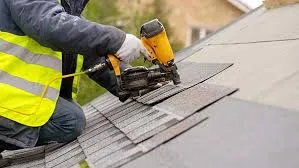
New roofs in Eagle, ID are more than just an exterior upgrade. They are a long-term investment in structural protection, energy efficiency, and property value. With Eagle’s growing neighborhoods, custom homes, and expanding residential developments, many homeowners are considering roof replacement or roof installation for new construction.
The unique climate of Eagle—characterized by hot summers, cold winters, occasional snow, and steady winds—makes roofing decisions especially important. Selecting the right materials, understanding the installation process, and planning for long-term maintenance all contribute to the durability of a new roofing system.
This article explains what homeowners should know before installing a new roof in Eagle, how local weather conditions influence performance, and what factors impact longevity.
Why New Roofs Matter in Eagle, ID
A roof acts as the primary barrier between your home and the environment. In Eagle, where temperatures can fluctuate dramatically between seasons, roofing materials must withstand expansion, contraction, UV exposure, and moisture.
New roofs provide:
- Improved structural protection
- Enhanced curb appeal
- Better energy efficiency
- Updated ventilation systems
- Long-term peace of mind
As residential areas continue to grow, many homeowners consult Lionheart for insight into modern roofing systems suited to the local climate. Understanding regional weather patterns and building standards helps ensure a roofing system performs reliably for decades.
Climate Considerations for New Roofs in Eagle, ID
Eagle’s semi-arid climate affects how roofing materials age and perform. When planning a new roof installation, it’s important to consider the following environmental factors.
Intense Summer Sun
Extended exposure to UV rays can cause shingles to fade, crack, or lose granules. Heat buildup in the attic may also increase cooling costs if ventilation is inadequate.
Modern roofing systems often include reflective materials and advanced underlayment to minimize heat absorption and improve indoor comfort.
Winter Snow and Ice
Although snowfall varies each year, accumulation can add weight to roofing systems. Ice dams may form if insulation and ventilation are insufficient. A properly installed new roof includes ice and water barriers that protect vulnerable areas such as eaves and valleys.
Wind Exposure
Open landscapes and foothill areas around Eagle may experience strong winds. Roofing materials must be securely fastened and rated for local wind speeds to prevent uplift damage.
Popular Materials for New Roofs in Eagle
Material selection plays a key role in durability, aesthetics, and maintenance requirements.
Asphalt Shingles
Asphalt shingles remain a common choice for residential roofing in Eagle. They are cost-effective, available in various colors, and adaptable to different architectural styles.
Advantages include:
- Straightforward installation
- Moderate wind resistance
- Versatility in design
Architectural shingles offer added thickness and improved durability compared to traditional three-tab shingles.
Metal Roofing
Metal roofing systems are known for longevity and energy efficiency. They reflect sunlight effectively, which can reduce summer cooling costs. Metal roofs also shed snow efficiently during winter months.
Composite and Synthetic Roofing
Composite materials replicate the look of wood shake or slate while offering enhanced durability and lower maintenance requirements.
The Installation Process for New Roofs
Installing a new roof involves several stages that ensure structural integrity and long-term performance.
1. Removal of Old Roofing Materials
If replacing an existing roof, contractors remove old shingles and inspect the decking for damage.
2. Decking Inspection and Repair
The underlying wood decking must be solid and secure. Any weakened sections are replaced before installation continues.
3. Underlayment Installation
A protective underlayment layer provides moisture resistance beneath the shingles or panels.
4. Flashing and Ventilation Components
Flashing is installed around chimneys, vents, and valleys to prevent leaks. Proper attic ventilation systems are also integrated to regulate temperature and moisture.
5. Final Roofing Material Installation
Shingles or panels are carefully installed according to manufacturer specifications and local building codes.
Homeowners researching New Roofs often seek clarity about these steps to better understand what the project involves.
Energy Efficiency and New Roofing Systems
Energy efficiency is increasingly important for Eagle homeowners. A new roof can significantly influence heating and cooling performance.
Reflective Shingles
Certain shingles are designed to reflect more sunlight, reducing heat transfer into the home.
Improved Insulation
During roof replacement, homeowners may upgrade attic insulation to enhance thermal resistance.
Proper Ventilation
Balanced intake and exhaust vents help regulate attic temperature year-round, preventing heat buildup in summer and moisture accumulation in winter.
These improvements can lower utility costs and increase indoor comfort.
New Roofs in Eagle, ID and Property Value
Real estate trends in Eagle show steady growth and development. Installing a new roof can positively impact resale value and buyer confidence.
Buyers often consider:
- Age of the roof
- Warranty coverage
- Visible condition
- Energy-efficient features
Homes located in New Roofs in Eagle, ID neighborhoods benefit from cohesive architectural styles and modern exterior finishes. A well-installed roof enhances both protection and visual appeal.
Signs It’s Time for a New Roof
Some homeowners delay replacement until problems become severe. Recognizing early warning signs can prevent costly structural damage.
Common indicators include:
- Curling or missing shingles
- Granule accumulation in gutters
- Persistent leaks
- Sagging rooflines
- Roof age exceeding 20–25 years
Routine inspections help determine whether repairs are sufficient or if a full roof replacement is necessary.
Maintenance After Installing a New Roof
Even new roofing systems require periodic maintenance to maximize lifespan.
Regular Inspections
Annual inspections identify minor issues before they escalate.
Gutter Cleaning
Clear gutters ensure proper drainage and prevent water backup.
Tree Trimming
Overhanging branches can cause abrasion or debris buildup.
Monitoring Interior Spaces
Check for signs of moisture in attics or ceilings to catch potential problems early.
Consistent care extends the life of new roofs and protects your investment.
Warranties and Lifespan Expectations
Different materials offer varying longevity:
- Standard asphalt shingles: 20–30 years
- Architectural shingles: 30–40 years
- Metal roofing: 40–70 years
Manufacturer warranties often cover material defects, while workmanship warranties address installation quality. Reviewing these details provides clarity about long-term protection.
Planning a New Roof Project in Eagle
Proper planning reduces stress and ensures a smooth installation process.
Budget Considerations
Roof size, material selection, and structural complexity influence overall cost. Planning ahead allows homeowners to align the project with financial goals.
Seasonal Timing
Spring and early fall often provide moderate temperatures suitable for roofing installation in Eagle.
Communication and Preparation
Homeowners should prepare for temporary noise and limited access to certain areas during installation.
Frequently Asked Questions
1. How long does it take to install a new roof in Eagle, ID?
Most residential roof installations take one to three days, depending on size and complexity.
2. What roofing material lasts the longest?
Metal roofing systems generally offer the longest lifespan, often exceeding 40 years.
3. Are new roofs energy efficient?
Yes. Reflective materials and improved insulation can reduce heating and cooling costs.
4. How do I know if I need a full replacement instead of repairs?
If your roof is older than 20–25 years and shows widespread damage, replacement may be more cost-effective.
5. Does Eagle’s climate affect roof lifespan?
Yes. UV exposure, temperature fluctuations, and winter moisture all influence material durability.
6. Can I stay in my home during roof installation?
In most cases, homeowners remain in their homes, though noise levels may increase temporarily.
7. What is included in a roof replacement?
Removal of old materials, decking inspection, underlayment installation, flashing, ventilation, and new roofing materials.
8. How often should I inspect my new roof?
An annual inspection and post-storm evaluations are recommended.
9. Do new roofs increase property value?
Yes. A new roof improves curb appeal and reassures potential buyers.
10. What maintenance helps extend roof lifespan?
Routine inspections, gutter cleaning, and prompt repairs support long-term durability.
Routine inspections, gutter cleaning, and prompt repairs support long-term durability.
