

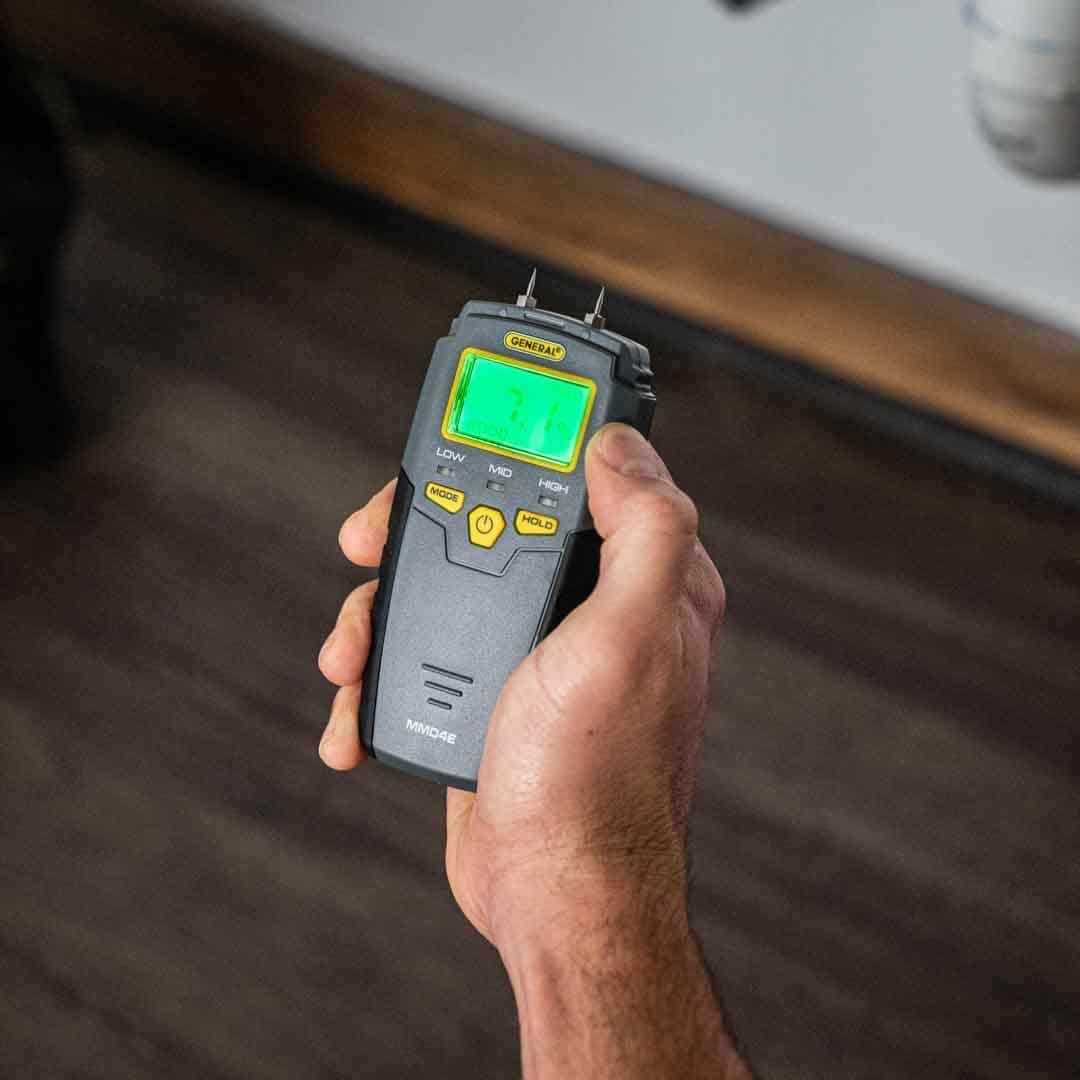
Controlling moisture levels is one of the most important aspects of maintaining quality, safety, and durability in construction, manufacturing, agriculture, and many industrial processes. Excess moisture can cause structural damage, mold growth, product failure, and costly repairs. On the other hand, overly dry materials may crack, shrink, or lose performance. This is why a Moisture meter has become an essential tool across multiple industries.
Whether you are inspecting wood flooring, testing building materials, monitoring soil conditions, or managing industrial equipment, accurate moisture measurement helps you make informed decisions. In this comprehensive guide, you will learn how a Moisture meter works, the different types available, their benefits, and how to choose the right device for your needs.
What Is a Moisture Meter?
A Moisture meter is a portable or fixed instrument designed to measure the amount of water content present in materials such as wood, concrete, soil, grains, paper, or walls. It provides quick and reliable readings that help users determine whether materials are safe, dry, or suitable for use.
Instead of guessing moisture levels, professionals rely on these devices for precise results. This helps prevent structural damage, quality issues, and health risks caused by excess water.
Moisture meters are widely used by contractors, carpenters, inspectors, farmers, restoration specialists, and engineers to maintain proper conditions and avoid problems before they occur.
Why Measuring Moisture Matters
Moisture might seem harmless at first, but it can cause serious long-term consequences. Uncontrolled water content can lead to:
Mold and mildew growth
Rotting wood structures
Corrosion of metals
Weakened building materials
Product spoilage
Reduced insulation efficiency
Costly repairs and replacements
For example, in construction, wet concrete or drywall may delay projects or reduce strength. In agriculture, high moisture in grains can lead to fungal contamination. A Moisture meter helps detect these risks early and allows corrective action.
How a Moisture Meter Works
Different meters use various technologies to measure moisture content. Understanding these methods helps you select the right device.
Pin-Type Technology
Pin meters use two small metal probes inserted into the material. Electrical resistance between the pins changes depending on moisture levels. Higher moisture equals lower resistance.
This method is very accurate and ideal for wood, drywall, and building materials. However, it leaves tiny holes where the pins are inserted.
Pinless Technology
Pinless meters use electromagnetic or radio frequency signals to scan below the surface without damaging the material. They measure changes in the dielectric properties caused by moisture.
These are perfect for large surface areas or finished materials where damage must be avoided.
Capacitive Sensors
These sensors detect moisture through changes in electrical capacitance. They are commonly used for industrial and continuous monitoring applications.
Each technology has advantages depending on your project requirements.
Types of Moisture Meters
There are several types of Moisture meter devices available for different uses.
Wood Moisture Meters
Designed for lumber, flooring, and furniture. They help prevent warping, swelling, and cracking by ensuring proper moisture balance.
Concrete Moisture Meters
Used in construction to measure moisture in slabs before installing flooring or coatings. They help avoid adhesive failure or structural issues.
Soil Moisture Meters
Popular in agriculture and gardening. They guide irrigation schedules and prevent overwatering or underwatering.
Grain Moisture Meters
Essential for farmers and food processors to maintain crop quality and prevent spoilage during storage.
Industrial Moisture Meters
Used in manufacturing plants for monitoring raw materials, powders, or chemicals during production.
Choosing the right type ensures accurate and reliable results.
Key Features to Look For
When selecting a trace moisture meter, consider the following features:
High accuracy and fast response
Digital or backlit display
Wide measurement range
Calibration options
Data logging capability
Non-destructive scanning
Temperature compensation
Portable and lightweight design
Modern devices often include Bluetooth or USB connectivity, making it easier to record and analyze readings.
Benefits of Using a Moisture Meter
Investing in a Moisture meter offers multiple advantages for both professionals and homeowners.
Prevents Damage
Early detection of excess moisture protects buildings, furniture, and equipment.
Improves Quality
Ensures materials meet proper standards before installation or processing.
Saves Time and Money
Avoids costly repairs, replacements, and delays caused by hidden moisture problems.
Enhances Safety
Reduces mold growth and related health risks.
Increases Efficiency
Provides quick readings, allowing faster decision-making during projects.
These benefits make moisture meters an indispensable tool in many industries.
Common Applications
A Moisture meter is used in numerous real-world scenarios.
Construction professionals test drywall and concrete before painting or flooring.
Carpenters check lumber moisture before installation.
Home inspectors detect hidden leaks behind walls.
Farmers monitor soil conditions for optimal crop growth.
Restoration experts assess water damage after floods or leaks.
Manufacturers maintain product consistency and quality.
This wide range of applications shows how versatile and valuable the device is.
Portable vs. Fixed Moisture Meters
Depending on the application, you may choose between portable and fixed systems.
Portable Meters
Handheld and easy to use. Ideal for inspections, fieldwork, and spot testing.
Fixed Systems
Installed permanently for continuous monitoring in industrial settings. These systems provide automated alerts and real-time data.
Many businesses combine both types for maximum efficiency.
Maintenance and Calibration Tips
To ensure accurate readings, regular care is necessary.
Clean sensors after use
Store in a dry environment
Calibrate periodically
Replace batteries on time
Avoid extreme temperatures
Follow manufacturer instructions
Proper maintenance extends the life of your Moisture meter and ensures consistent performance.
How to Choose the Right Moisture Meter
Selecting the right device depends on your specific needs. Consider:
Type of material you are testing
Required accuracy level
Surface sensitivity
Budget
Frequency of use
Environmental conditions
If you frequently test finished surfaces, a pinless meter is better. For deep, precise readings, a pin-type device works best. Industrial applications may require advanced systems with continuous monitoring.
Future Trends in Moisture Measurement
Technology is continuously evolving. Modern moisture meters now include smart features such as:
Wireless connectivity
Cloud-based data storage
Mobile app integration
Faster sensors
Compact designs
Automated alerts
These innovations are making the Moisture meter more efficient, reliable, and easier to use than ever before.
Conclusion
Managing moisture is essential for maintaining quality, durability, and safety across construction, agriculture, manufacturing, and restoration work. A Moisture meter provides accurate and fast measurements that help professionals prevent costly mistakes and ensure optimal conditions.
By understanding how these devices work and choosing the right model, you can protect materials, improve efficiency, and achieve better results in every project. Whether you are testing wood, concrete, soil, or industrial products, this simple yet powerful tool remains one of the smartest investments you can make.
