

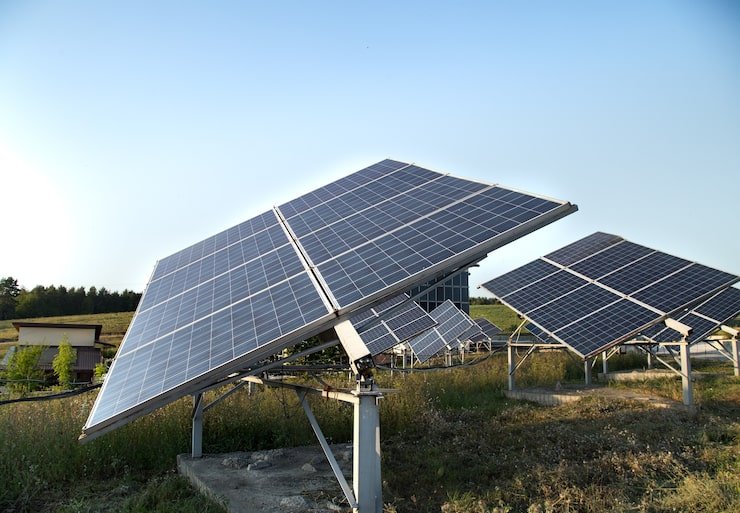
As electricity prices continue to rise and grid reliability becomes a growing concern, more households are investing in a home solar battery system to take control of their energy usage. By storing excess solar power generated during the day, homeowners can reduce dependence on the grid, cut electricity bills, and enjoy greater energy security. In fact, energy storage adoption has increased significantly in recent years as people seek sustainable and cost-effective solutions. Whether you are new to solar energy or looking to upgrade your existing setup, understanding how battery systems work is the first step toward making a smart investment.
What Is a Home Solar Battery System?
Extra power from rooftop solar panels gets saved in a home battery rather than flowing into the public network. When sunlight fades or clouds block the sun, that kept energy runs appliances inside your house. Less reliance on outside electricity follows naturally under those conditions. Savings appear on monthly statements while the original investment works harder overall. Today’s storage units work well without taking up much space plus they connect smoothly to different configurations around residential properties.
How Does a Solar Battery System Work?
When the sun is up, panels on the roof turn light into electric power. The house pulls what it needs right away from that flow. Extra energy flows into a storage unit instead of vanishing. As evening comes and panel output fades, the backup source kicks in quietly. Power once saved now runs lights, devices, whatever’s on. When the sun dips low, machines shift without a hand guiding them. Through storms or silence, some setups kick in if lights elsewhere fail. Essential devices hum on, fed by hidden reserves when grids sleep.
What Are the Key Benefits of Installing a Solar Battery?
Homeowners gain more control over power when they depend less on utility companies. When sunshine charges their batteries, fewer fossil fuels burn nearby. Roughly seven out of ten units of electricity pulled from walls could vanish under sunny roofs with storage beneath them. Prices shift throughout the day in some places – quiet times become golden chances. Stability grows quietly behind closed breaker boxes where sunlight waits patiently inside chemical cells.
Is a Solar Battery Worth the Investment?
Even so, spending big at first on a battery setup usually pays off down the line. Look beyond just the sticker price – your local electricity charges, how much you get paid for excess power, plus when you use energy each day all shift the math. Picture this: homes running heavy loads after sunset pull greater value from saved sunshine. On top of that, tax perks and cash-back programs chip away at upfront bills, opening doors once out of reach.

How Do You Choose the Right Battery for Your Home?
Choosing a setup comes down to what power demands you have, along with financial limits. Stored energy amount – counted in kilowatt-hours – shows how much juice it holds. For smaller places, five to ten units often cover things; bigger houses tend toward ten up to twenty, sometimes beyond. How well it works over time, how long it lasts, guarantee conditions, plus room to grow matter just as much. On top of that, make sure it fits smoothly with your current solar panels. Talking to a certified professional might reveal the best fit for your needs.
What Should You Know About Installation and Maintenance?
Getting it set up right means better results, fewer risks. Experts with certification take a close look at your home, power box, and how the panels will be arranged first. After everything’s in place, you won’t need much upkeep. A tracking tool usually comes with the setup so owners can see how things are running day by day. Small inspections now and then, along with fresh software versions, keep output steady through its life – often around one to one-and-a-half decades.
How Does a Solar Battery Support Sustainability?
Sunlight stored today means less coal burned tomorrow. Because homes keep their own power, demand for outdated plants drops slowly. When many households shift this way, pressure eases across large-scale systems. A scattered setup grows stronger through independence. Cleaner habits follow where energy begins locally.
Are There Incentives and Rebates Available?
Financial incentives play a crucial role in accelerating battery adoption. Many regions offer rebates, tax credits, or low-interest financing to reduce upfront costs. These incentives can significantly improve payback periods. Therefore, before making a decision, research available programs in your state or territory. Energy policies evolve frequently, so staying informed ensures you maximize available benefits.
How Can You Research the Best Solar Battery System Online?
Start by digging deep on the internet before choosing any battery setup. Look around using search tools to check out different installers, what customers say, then examine how they price things. Getting familiar with kinds of SEO might actually show if a company’s site makes sense or not. Take note – firms focusing on Technical SEO usually let their websites run smoothly, making it easier to find clear details.
Look into what people really want when they type a query – knowing this separates helpful guides from sales pitches. That way, matching results to actual goals becomes easier without guessing wrong. Using free tools might reveal hidden patterns in how folks ask about solar batteries. Some of these queries show deeper needs than others at first glance. Checking sources closely keeps decisions sharp instead of shaky later on.
How Can You Maximize Savings After Installation?
One thing to remember: putting in a battery isn’t the whole story. Using power more thoughtfully adds extra savings on top. Take laundry or dishwashing – running those when sunlight is strongest means less draw from storage. With tracking tools, spotting trends in how you use electricity becomes easier than expected. Slowly but surely, tweaking routines leads to lower monthly costs.
Conclusion
A home solar battery system offers a practical and sustainable solution for households seeking energy independence and long-term savings. By storing excess solar power and reducing reliance on the grid, homeowners gain greater control over their electricity consumption. Additionally, financial incentives can make installation more affordable, improving overall return on investment. As government policies continue to evolve, programs such as Australian solar battery rebates provide further encouragement for households to embrace clean energy storage. By combining smart research, proper installation, and efficient energy habits, you can confidently transition toward a more resilient and eco-friendly home.
FAQs
1. How long does a solar battery last?
Most residential solar batteries last between 10 and 15 years, depending on usage patterns and maintenance.
2. Can a solar battery power my entire home?
It depends on the battery capacity and your energy consumption. Larger systems can support most household needs, while smaller ones may cover essential appliances only.
3. Do I need solar panels to install a battery?
Yes, batteries typically store electricity generated by solar panels. Without panels, their benefits are limited.
4. Will a solar battery reduce my electricity bill?
Yes, by storing and using your own solar energy, you reduce the amount of electricity purchased from the grid.
5. Are government incentives available for battery systems?
In many regions, rebates and financial programs are available to lower upfront costs. Check local energy authorities for updated information.
