

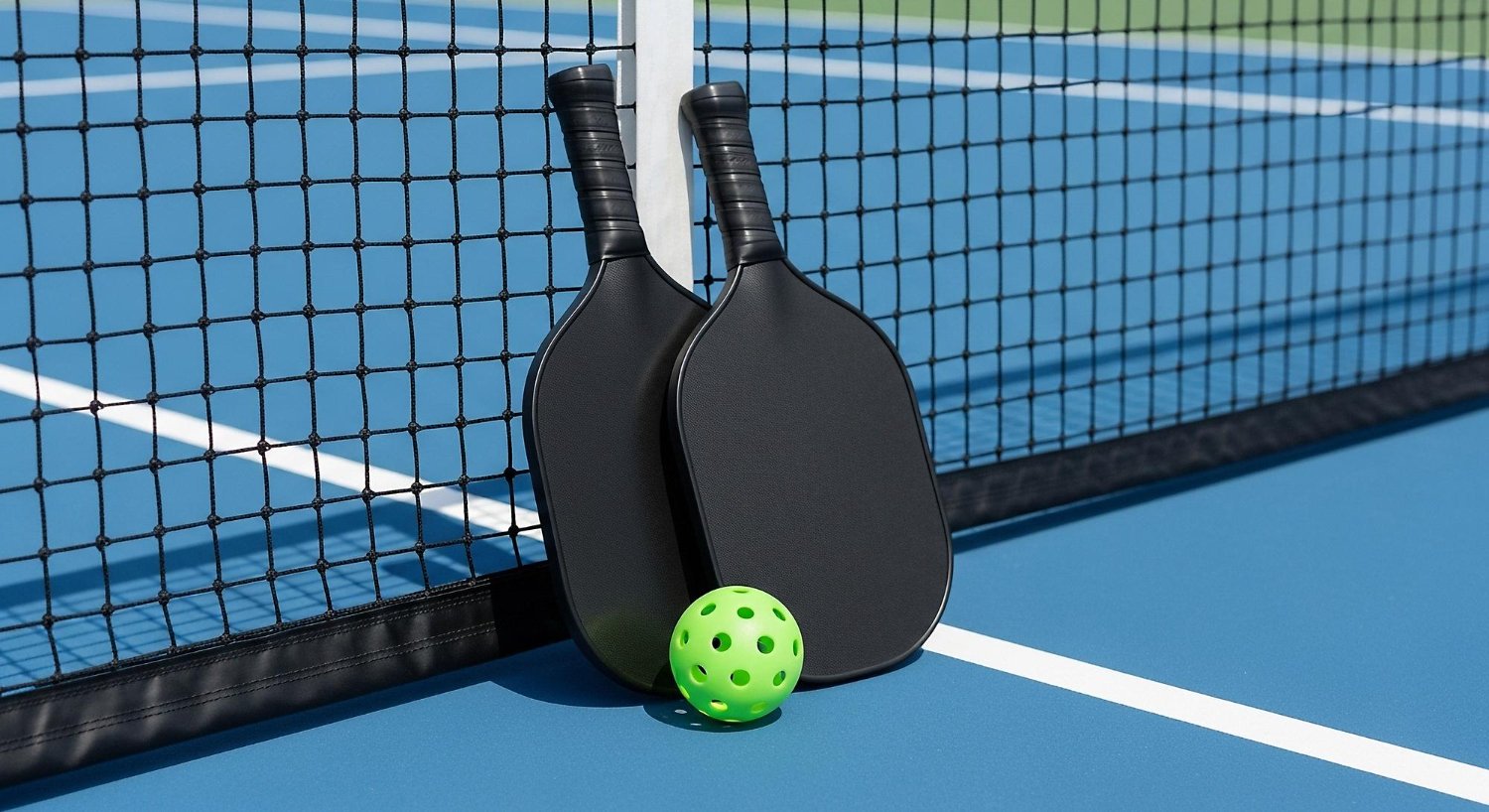
Pickleball has become one of the most popular sports in the United States. Every year, more people are discovering the game and joining local courts. It is easy to learn, fun to play, and brings people together. Because of this, many communities now organize pickleball leagues for players of different skill levels.
Local parks, clubs, and recreation centers are hosting leagues where players can compete and improve their game. These leagues help players stay active and build friendships. However, as more players join, organizing a league can become more complicated. League organizers must handle many tasks behind the scenes. Without the right tools, this work can take a lot of time and effort.
Running a Pickleball League Is Not Always Easy
At first, a small league may seem simple to manage. A few players sign up, a schedule is created, and matches begin. But as the league grows, things can become harder to organize.
Organizers must divide players into teams or groups, schedule matches, record scores, and update standings. They also need to communicate with players about match times or changes.
In the past, many leagues managed these tasks using paper notes, emails, or spreadsheets. While this approach can work for small groups, it often creates problems when more players join. Information can get lost, schedules may overlap, and score updates can be delayed.
Because of these challenges, many organizers are now using digital tools to help manage their leagues more easily.
Digital Tools Help Organizers Stay Organized
Technology has made it much easier to manage sports leagues. Today, there are digital platforms designed specifically to help organizers handle schedules, players, and scores.
One helpful solution is a pickleball league management system. These systems bring many important tasks together in one place. Instead of managing different documents and messages, organizers can control everything through a single platform.
With the help of these tools, organizers can create leagues, add players, and build match schedules quickly. The system helps keep information organized so nothing gets missed.
Players also benefit from this setup. They can log in to check their match times, see results, and stay updated throughout the season.
Communication Becomes Faster and Clearer
Good communication is very important for any sports league. Players need to know when they are playing and where the match will take place. If schedules change, they need to hear about it quickly. If communication is not clear, players can easily miss their matches or show up at the wrong time. This often leads to confusion and frustration for both the players and the people organizing the league.
Digital tools make communication much simpler. Organizers can quickly share updates, reminders, or announcements with all players in one place. Instead of messaging everyone one by one, a single update can reach the entire league at the same time. Some systems also send automatic reminders before matches. This helps players stay prepared and reduces the chances of missing games.
Keeping Track of Scores Is Much Simpler
Recording scores and updating standings is another important task in any league. After each match, results need to be recorded so rankings can be updated. When this is done manually, mistakes can happen. Scores may be entered incorrectly, or updates may take too long to appear. This can cause confusion among players who want to know how they are performing.
A pickleball league management system makes this process easier.
After a match ends, scores can be entered quickly. The system then updates the standings automatically. Players can check the latest rankings anytime. Seeing their progress often motivates players to stay active and perform their best during the season.
Scheduling Matches Becomes Less Stressful
Creating a fair schedule can be one of the hardest parts of running a league. Organizers must consider court availability, player numbers, and league format. Trying to handle all of this manually can take hours. Even after a schedule is created, changes may still be needed if players are unavailable.
Digital scheduling tools can save a lot of time. Organizers can enter basic information about the league, and the system can help generate match schedules automatically. If a change is needed, the update can be made quickly and shared with all players. This makes the entire process smoother for both organizers and participants.
Players Enjoy a Better League Experience
When a league runs smoothly, players notice the difference. They can easily check their match times, review results, and follow the standings. Everything feels more organized and professional. Players also feel more connected to the league when they have access to clear information. Instead of searching through emails or messages, they can simply check the platform to find what they need.
A well-organized league creates a more enjoyable environment. Players can focus on the game, improve their skills, and enjoy the social side of pickleball.
The Future of Pickleball Leagues
Pickleball continues to grow every year, and leagues are becoming more common in many communities. As the sport expands, organizers will need better ways to manage larger groups of players. Digital solutions are helping leagues adapt to this growth. Tools like a pickleball league management system allow organizers to manage schedules, scores, and communication in a simple and efficient way.
Platforms like Scorepal are making it easier for pickleball leagues to stay organized and run without problems. With tools like these, organizers spend less time on paperwork and more time creating a fun and friendly league for everyone to enjoy.
