

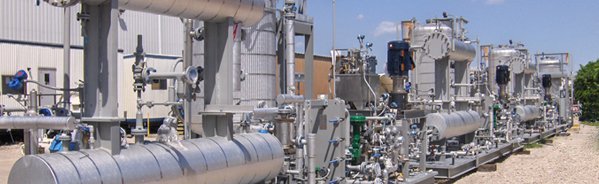
As industries and governments continue to move toward sustainable energy solutions, the role of biogas plant design and natural gas engineering has become increasingly important. Biogas production offers a reliable way to convert organic waste into usable energy, while natural gas engineering ensures that gas processing, transportation, and utilization systems operate safely and efficiently.
Together, these disciplines support the development of cleaner energy infrastructure, reduce environmental impact, and create new opportunities for waste-to-energy technologies. Engineering expertise is essential for designing systems that maximize efficiency, ensure safety, and comply with environmental regulations.
The Growing Importance of Biogas in Renewable Energy
Biogas is produced through the anaerobic digestion of organic materials such as agricultural waste, food waste, manure, and wastewater sludge. The process generates a mixture of methane and carbon dioxide, which can be used as a renewable fuel for electricity generation, heating, or upgraded to renewable natural gas.
Effective biogas plant design is critical to ensure that these systems operate efficiently. Engineers must carefully analyze feedstock characteristics, digestion technology, gas collection systems, and purification processes. A well-designed plant can significantly increase gas production while minimizing operational costs.
Beyond energy generation, biogas plants also help solve major waste management challenges. By converting organic waste into energy and valuable by-products such as fertilizer, these facilities contribute to a circular economy where waste becomes a resource.
Key Components of Biogas Plant Design
Designing a biogas facility involves multiple engineering disciplines, including chemical, mechanical, and environmental engineering. Several factors must be considered to ensure optimal performance.
Feedstock Handling and Preparation
The type and composition of organic waste greatly influence biogas production. Engineers must design systems that can properly collect, transport, and preprocess feedstocks to maintain stable digestion conditions.
Feedstock preparation may include shredding, mixing, or slurry formation to improve the efficiency of the anaerobic digestion process.
Anaerobic Digestion System
The digester is the heart of any biogas plant. It is designed to maintain controlled temperature, pH, and microbial activity. Engineers select appropriate reactor types, such as continuously stirred tank reactors or plug-flow digesters, depending on the feedstock and production goals.
Proper digester design helps maximize methane production while maintaining long-term operational stability.
Gas Collection and Purification
Raw biogas contains impurities such as hydrogen sulfide, moisture, and carbon dioxide. Gas treatment systems are required to remove these contaminants and improve fuel quality.
Gas purification technologies may include scrubbing, membrane separation, or pressure swing adsorption. These systems ensure that the produced gas meets the specifications required for power generation or pipeline injection.
Energy Conversion Systems
Once purified, biogas can be used in several ways. It may be burned in combined heat and power systems to generate electricity and thermal energy, or it can be upgraded into renewable natural gas suitable for pipeline distribution or vehicle fuel.
The design of these systems must ensure reliable energy production while maintaining efficiency and safety.
The Role of Natural Gas Engineering
While biogas production focuses on generating renewable methane, natural gas engineering plays a crucial role in processing, transporting, and utilizing gaseous fuels effectively. Engineers in this field design infrastructure that allows gas to move safely from production facilities to end users.
Natural gas engineering encompasses several key areas:
- Gas processing and treatment systems
- Pipeline design and compression systems
- Gas storage solutions
- Safety and monitoring systems
These engineering solutions ensure that natural gas and renewable gas can be distributed efficiently while meeting strict safety and environmental standards.
Integrating Biogas into Natural Gas Infrastructure
One of the most promising developments in renewable energy is the integration of biogas into existing natural gas systems. After purification and upgrading, biogas can become renewable natural gas, which has nearly the same chemical composition as conventional natural gas.
Through advanced biogas plant design and natural gas engineering, this renewable fuel can be injected directly into gas pipelines, used as vehicle fuel, or supplied to industrial facilities.
This integration offers several benefits:
- Reduced greenhouse gas emissions
- Increased energy independence
- Better utilization of organic waste
- Support for renewable energy goals
By leveraging existing natural gas infrastructure, renewable gas can be distributed widely without requiring entirely new energy systems.
Engineering Challenges and Considerations
Designing and operating gas-based energy systems requires careful attention to safety, environmental regulations, and operational efficiency.
Engineers must address several challenges, including:
- Managing variable feedstock quality in biogas plants
- Preventing corrosion and contamination in gas pipelines
- Ensuring consistent gas composition for downstream applications
- Meeting environmental and regulatory requirements
Advanced modeling, simulation, and process optimization techniques help engineers design systems that overcome these challenges while maintaining reliable performance.
The Future of Gas-Based Renewable Energy
The global demand for renewable energy continues to grow, and biogas technology is expected to play an increasingly important role in sustainable energy systems. With improvements in biogas plant design and innovations in natural gas engineering, waste-to-energy facilities can become more efficient, scalable, and economically viable.
Governments and industries are investing heavily in renewable gas projects to reduce carbon emissions and support energy transition goals. As these projects expand, the need for experienced engineering expertise becomes even more critical.
Engineering firms that specialize in chemical process design, gas processing, and renewable energy technologies can help organizations develop reliable systems that transform organic waste into valuable energy resources.
Conclusion
Biogas and natural gas technologies are key components of the global energy transition. Through effective biogas plant design and advanced natural gas engineering, it is possible to convert waste materials into clean fuel while building efficient and sustainable energy infrastructure.
As renewable energy projects continue to expand, engineering innovation will remain at the center of designing systems that are safe, efficient, and environmentally responsible. By combining expertise in gas processing, plant design, and energy systems, modern engineering solutions can help unlock the full potential of renewable gas technologies.
