

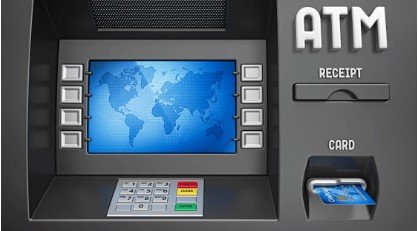
ATM networks play a crucial role in modern banking by providing customers with 24/7 access to cash and financial services. However, managing ATM infrastructure internally can be costly, complex, and resource-intensive. Amid this operational challenge, ATM outsourcing has emerged as a strategic solution for financial institutions and service providers seeking to streamline operations and improve efficiency.
What Is ATM Outsourcing?
ATM outsourcing is a business model where a third-party provider manages some or all aspects of an ATM network on behalf of a bank, credit union, or retail operator. Instead of handling installation, maintenance, cash management, and compliance internally, institutions transfer these responsibilities to specialized service providers.
This model allows organizations to keep their branding and customer experience intact while shifting operational complexity to experts who manage ATM performance, uptime, and technical support.
How ATM Outsourcing Works
In a typical ATM outsourcing arrangement, the service provider takes responsibility for end-to-end ATM operations. This may include:
- Installation and deployment of ATM machines
- Cash replenishment and cash management systems
- Software updates and network connectivity
- Security monitoring and fraud prevention
- Maintenance, repairs, and technical support
- Regulatory compliance and reporting
The financial institution usually pays a structured fee or revenue-sharing model while retaining control over customer-facing policies.
Why Businesses Choose ATM Outsourcing
ATM outsourcing has become increasingly popular due to rising operational costs and technological complexity in the banking sector. Many institutions find that outsourcing allows them to focus on core financial services instead of hardware management.
Key advantages include:
1. Reduced Operational Costs
Outsourcing eliminates the need for large capital investment in ATM infrastructure and reduces ongoing maintenance expenses.
2. Improved Efficiency
Specialized providers ensure faster response times, reduced downtime, and optimized ATM performance.
3. Enhanced Security and Compliance
ATM service providers continuously update systems to meet regulatory standards and protect against fraud or cyber threats.
4. Scalable ATM Networks
Organizations can easily expand or reduce their ATM networks without significant operational disruption.
ATM Outsourcing in Modern Financial Systems
As banking shifts toward digital and self-service models, ATMs remain an essential part of the financial ecosystem. Even with the growth of mobile banking, customers still rely heavily on cash access points.
Studies show that outsourcing ATM operations helps institutions improve service quality while reducing internal workload and technical burden. Providers often use centralized monitoring systems to ensure real-time performance tracking and proactive maintenance, improving uptime and reliability.
Types of ATM Outsourcing Models
There are different outsourcing structures depending on business needs:
Full-Service Outsourcing
The provider manages everything, including ownership, maintenance, and operations.
Partial Outsourcing
The institution retains ownership but outsources maintenance, cash handling, and technical services.
Managed Services Model
A hybrid approach in which both the bank and the provider share responsibilities under an agreement.
This flexibility allows institutions to choose a model that fits their budget and operational goals.
Key Challenges in ATM Management Without Outsourcing
Organizations that manage ATMs internally often face:
- High maintenance and repair costs
- Complex compliance requirements
- Cash logistics challenges
- Vendor coordination issues
- Unexpected downtime affecting customer experience
ATM outsourcing helps reduce these challenges by centralizing operations under a single expert provider.
Future of ATM Outsourcing
The future of ATM outsourcing is closely linked with automation and digital transformation. Modern providers are integrating advanced monitoring systems, predictive maintenance, and cloud-based ATM management platforms.
This evolution is helping institutions shift from reactive maintenance to proactive system optimization, ensuring higher reliability and better customer satisfaction.
Conclusion
ATM outsourcing has become a practical solution for financial institutions seeking to improve efficiency, reduce costs, and enhance service reliability. By transferring operational responsibilities to specialized providers, organizations can focus more on customer service and strategic growth. Amid this evolving financial infrastructure, the concept of buy-atm and ATM ownership models continues to shift toward more flexible, service-based approaches. As the industry advances,
