
Small contractor crews don’t have the luxury of wasted time. Every hour matters, every extra trip back and forth, every delay waiting on material… it adds up fast. You feel it at the end of the day when the job’s not done and the clock’s still running. That’s usually where smarter equipment choices start to matter more than people think.
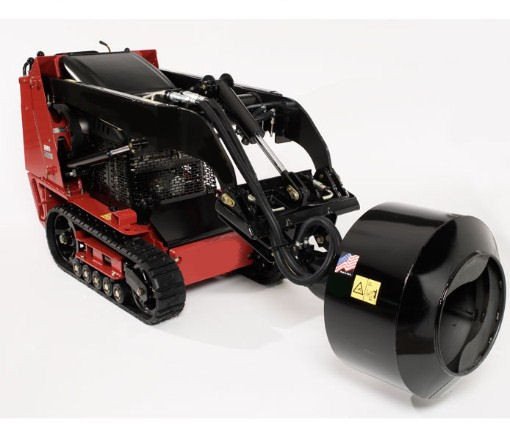
One of those tools that quietly changes how work flows is the mini cement mixer Not flashy, not complicated. But once it’s on-site, things move differently. You’re not waiting around for batches, not mixing by hand like it’s 1995. It just keeps things going.
Why Small Crews Struggle Without the Right Mixing Setup
A lot of small teams still rely on old methods. Bag mix, water, shovel, mix on the ground or in a wheelbarrow. It works… technically. But it’s slow. Inconsistent too.
You get one batch too wet, next one too dry. Strength varies. Finish suffers. And someone’s always stuck doing the mixing instead of actual skilled work. That’s the hidden cost. It’s not just time. It’s wasted labor.
A compact cement mixer fixes that in a pretty straightforward way. It standardizes the process. Same mix, every time. Less guesswork. Less babysitting.
Consistent Mixing Means Better Results
This part doesn’t get talked about enough. Consistency is everything with concrete. If your mix is off, even slightly, you’re asking for cracks, weak spots, uneven curing. Doesn’t matter if it’s a small patio or fence posts, bad mix shows up later.
With a mini cement mixer, you’re controlling the ratio properly. Water, aggregate, cement… all balanced. You don’t have to “eyeball it” anymore.
And yeah, experienced guys can mix by feel. But even they’ll admit, machines don’t get tired. They don’t rush the last batch because it’s getting late.
Speed Without the Chaos
Here’s where small teams really feel the difference. Manual mixing slows everything down. One person mixing, others waiting. Then everyone rushes to place before it starts setting. It’s uneven. Stressful, honestly.
A portable mixer keeps batches coming steadily. You pour, then another batch is ready. No big gaps.
That rhythm matters. Especially on jobs like:
- Sidewalk repairs
- Small slabs
- Footings and posts
You stay in flow. No stop-start nonsense.
Less Physical Strain on the Crew
Nobody signs up for backbreaking mixing work. But it ends up happening anyway. Shoveling sand and cement over and over… it wears people down. And once the crew is tired, productivity drops. Mistakes happen. Things get sloppy.
Using a mini cement mixer cuts that strain. You’re loading materials, sure, but you’re not manually blending every batch. That energy gets saved for finishing work. Which is where skill actually matters.
Mobility on Tight Job Sites
Small contractor jobs don’t always have ideal conditions. Tight spaces, awkward access, uneven ground.
Full-size mixers or ready-mix trucks aren’t always practical. Sometimes they can’t even get close. That’s where compact equipment makes sense. A mini mixer can be moved around easily. Set it up where you need it. Adjust as the job progresses.
It’s the same thinking behind using some of the best skid steer attachments on smaller machines. You’re not scaling down capability, just making it more usable for the job at hand.
Cost Control (This One Matters More Than People Admit)
Ready-mix deliveries are convenient. No argument there. But they’re not cheap, especially for small batches. You end up paying for more than you need, or rushing to use everything before it sets. Waste becomes part of the job.
With a mini cement mixer, you mix what you need, when you need it. Nothing extra sitting around hardening into useless chunks. Over time, that saves money. Not in a flashy way. Just steady, practical savings that show up across projects.
Better Workflow for Small Teams
This is probably the biggest advantage. Small teams don’t have the manpower to waste. Everyone needs to be doing something productive. Standing around waiting for mix isn’t productive.
When you’ve got a reliable mixer running, tasks spread out better. One person manages the mix, others handle placement, leveling, finishing. It’s smoother. Less bottlenecks. And once crews get used to that flow, they don’t want to go back.
Pairing with Other Equipment on Site
Efficiency doesn’t come from one tool. It’s how everything works together. You’ll often see mini mixers used alongside compact machines. Skid steers, small excavators, utility tractors. Each handling a part of the job.
And yeah, this ties back to using the best skid steer attachments effectively. Buckets for material handling, augers for posts, trenchers for utilities. Then the mixer comes in to handle the concrete side.
It’s a system. Not just random tools on-site. Companies like Spartan Equipment lean into that idea. Equipment that fits together, works together, doesn’t overcomplicate things.
When a Mini Mixer Makes the Most Sense
Not every job needs one. Let’s be honest. Large commercial pours? You’re calling in ready-mix. No question. But for small to mid-scale work, the kind most contractors deal with daily, a mini cement mixer hits that sweet spot.
Think:
- Residential slabs
- Fence installations
- Small structural repairs
- Landscaping features
Jobs where flexibility matters more than sheer volume.
Long-Term Value for Growing Crews
This isn’t just about one job. It’s about how a crew operates over time. Once a team gets comfortable using a mixer, jobs get tighter. More predictable. Less wasted motion.
You start bidding differently too. More confident in timelines, in material use, in output.
And when you combine that with smart equipment choices overall, including some of the best skid steer attachments for site work, you’re building a setup that actually supports growth. Not just getting by, but improving.
Conclusion
A mini cement mixer isn’t the most exciting piece of equipment on a job site. It doesn’t turn heads. Doesn’t look impressive sitting there.
But it changes the way work gets done. Faster mixing, consistent results, less strain on the crew, better use of time. It all adds up. Especially for small contractor teams trying to stay competitive without burning out.
Pair it with the right tools, including the best skid steer attachments for handling and prep work, and you’ve got a setup that just… works. No drama. No wasted effort. Just steady, reliable progress. And honestly, that’s what most crews are after anyway.
