

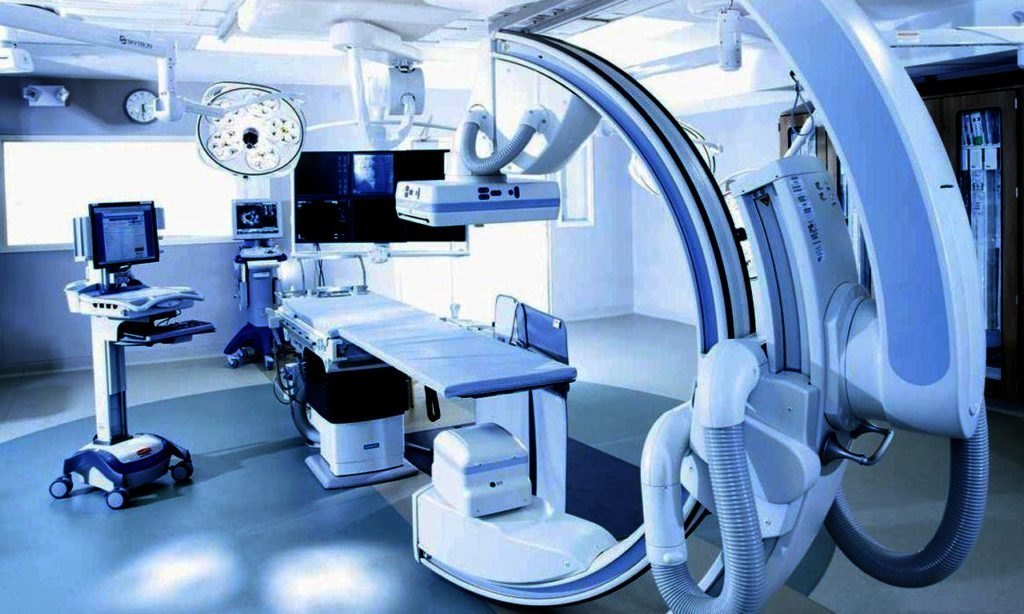
Healthcare infrastructure plays a pivotal role in any nation’s development and well-being. Among the critical components of creating state-of-the-art healthcare facilities for hospitals and clinics is acquiring advanced medical equipment. However, due to the high upfront costs associated with procuring essential medical assets, many healthcare providers depend on financing options like medical equipment loans. These loans help facilities obtain advanced diagnostic machines, imaging tools, surgical instruments, and patient monitoring systems to ensure high-quality patient care.
Medical equipment loan interest rates directly impact the financial feasibility of such purchases, making it crucial for hospitals and clinics to understand the elements influencing these rates. Here’s an in-depth exploration of the factors affecting medical equipment loan interest rates and how hospitals and clinics can navigate their financial options wisely.
Primary Factors That Affect Medical Equipment Loan Interest Rates
Creditworthiness of the Borrower
Lenders assess the credit history and reliability of borrowing entities like hospitals and clinics when determining medical equipment loan interest rates. A robust credit score reflects a borrower’s ability to repay debt on time, making them less risky for the lender. Hospitals or clinics with stellar credit ratings can secure loans at lower interest rates compared to borrowers with poor credit histories.
Key Considerations for Borrowers:
- Building and maintaining a strong credit score is essential for qualifying for affordable loan terms.
- Regular repayment of existing hospital loans and avoiding late payments can boost your financial profile.
Loan Amount
The size of the loan requested by the hospital or clinic also plays a significant role in determining the medical equipment loan interest rate. Larger loans may come with lower interest rates due to economies of scale or competitive offers from lenders. Conversely, smaller loans may often feature higher rates due to administrative and operational costs associated with lending.
Why This Matters:
- Larger hospitals may gain cost-effective financing options due to their volume of assets and reputation.
- Smaller clinics should carefully analyze loan amounts in relation to repayment capabilities.
Loan Repayment Tenure
The loan repayment period has a direct impact on the interest rate. Medical equipment loans with shorter terms often feature lower interest rates as lenders face reduced risk with shorter repayment horizons. On the other hand, loans with longer repayment tenures tend to have higher interest rates due to additional risk exposure over time.
Key Advice:
Hospitals and clinics should weigh their repayment capacity against short-term and long-term interest implications. Choosing a tenure suited to their financial stability ensures balanced repayment and lower financial strain.
Type of Medical Equipment Being Financed
The nature of the medical equipment being financed also influences loan interest rates. Equipment that has a longer lifespan, high resale value, or is mission-critical for healthcare (like MRIs or CT scanners) may lead to lower interest rates as these items act as solid collateral. Lesser expensive or specialized equipment may lead to varying interest rates due to potential depreciation and limited resale options.
Considerations for Hospitals and Clinics:
Understanding the value and lifecycle of equipment before entering into a financing agreement is vital. It also helps when negotiating favorable medical equipment loan interest rates with lenders.
Market Conditions and Economic Factors
Broader economic factors such as inflation, interest rate policies by central banks, and market demand for hospital loans influence medical equipment loan interest rates. For example, in a low-interest-rate environment, borrowing costs tend to be cheaper, while high inflation might raise the cost of borrowing due to increased lender risks.
Observation for Borrowers:
Hospitals and clinics should keep tabs on economic conditions to time their borrowing strategically. Applying for loans during favorable economic periods can result in better interest rates.
Down Payment or Collateral
The amount of down payment a borrower can provide significantly affects the interest rate on a medical equipment loan. A larger upfront down payment reduces lender risk, which typically results in lower interest rates. Additionally, offering collateral such as property or existing medical devices further reduces risk and influences favorable loan conditions.
Key Tip for Clinics and Hospitals:
Prepare a substantial down payment when possible to negotiate better interest rates. Consider putting up valuable collateral if low-interest terms are critical to your financial goals.
Type of Financing Institution
The entity providing the loan—whether it’s a commercial bank, private lender, or specialized healthcare financier—can dramatically impact loan interest rates. Banks generally offer competitive rates based on strict eligibility criteria, while private lenders may accommodate greater flexibility at slightly higher costs.
How Providers Can Choose Wisely:
Research various lenders and compare interest rates while factoring in convenience, loan terms, and borrower-specific needs. Specialized healthcare financial institutions may offer loan programs tailored to hospitals and clinics.
Loan Purpose and Business Stability
The intended use of the medical equipment loan also influences the interest rate. Lenders may assess whether the equipment is part of a major expansion or routine procurement efforts. Hospitals with stable revenue streams and a proven history of successful operations often secure lower interest rates.
Recommended Strategy:
Hospitals and clinics should clearly outline their needs and demonstrate financial stability to secure loans with better terms.
Relationship with the Lending Institution
Existing relationships between healthcare providers and financial institutions can significantly impact medical equipment loan interest rates. Hospitals or clinics with a history of obtaining hospital loans from a specific lender may benefit from loyalty programs, lower rates, or favorable repayment structures.
Expert Advice:
Maintaining long-term relationships with financial institutions can sometimes result in discounted rates or exclusive benefits.
Secondary Factors Affecting Medical Equipment Loan Interest Rates
Technology Trends in Medical Equipment
Rapid technological advancements result in continuous upgrades to medical devices and equipment. When considering hospital loans or loans for clinics, lenders may impose higher interest rates on financing “cutting-edge” technology since frequent upgrades could lead to devaluation of funded equipment.
Competition Among Lenders
If several lenders vie for business in a specific market, hospitals and clinics can benefit from competitive loan interest rates. Increased competition ensures more attractive interest rates and better loan incentives for potential borrowers.
Geographic Location and Regional Factors
Lenders may also assess the geographic location of hospitals and clinics when determining the interest rates for medical equipment loans. Clinics in thriving urban centers may receive better terms than hospitals in less economically developed regions where healthcare operations present higher risks.
Government Policies and Subsidies
Certain government programs and subsidies reduce the overall cost of medical equipment loans for healthcare providers. These policies can result in reduced interest rates especially tailored to support healthcare modernization, thus alleviating financial burdens on hospitals and clinics.
How Hospitals and Clinics Can Secure Competitive Medical Equipment Loan Interest Rates
Conduct Market Research
Thorough research ensures that hospitals and clinics make informed decisions when selecting lenders and loan schemes. Comparing interest rates, repayment options, and additional fees allows borrowers to choose competitive options tailored to their needs.
Build Financial Stability
By maintaining accurate financial records and demonstrating revenue consistency, hospitals and clinics can secure favorable loan interest rates. Financial transparency reassures lenders of repayment reliability.
Negotiate Terms
Knowing the hospital’s or clinic’s leverage during the negotiation phase is key to modifying unfavorable interest terms and gaining the best deal possible.
Keep an Eye on Partnerships
Whether through collaborations, government initiatives, or healthcare alliances, hospitals may gain access to lower-interest financing via institutional support.
Prepare Documentation
Ensuring that all necessary documentation, including credit score reports, licensing, asset records, and loan purpose, is in place can expedite loan approval and result in optimal interest rates.
Leverage Industry Knowledge
Healthcare providers should engage with advisors or financial experts who specialize in medical equipment lending. Their insights can help optimize loan selection and secure the best rates.
Future Considerations for Medical Equipment Loans and Hospital Financing
With advancements in healthcare technology continually pushing boundaries, the demand for medical equipment loans will likely increase. Hospitals and clinics must stay vigilant regarding factors influencing loan interest rates and maintain proactive strategies for managing loans and repayments. Furthermore, government regulatory changes and economic challenges could shape the lending landscape, underscoring the importance of staying updated and prepared.
Hospitals and clinics that understand the complexity of loan interest rates and leverage smart borrowing strategies will benefit not only financially but also by providing high-caliber healthcare services to patients.
Summary
Numerous factors determine the medical equipment loan interest rate, from borrower creditworthiness and loan tenure to market conditions and equipment types. For healthcare providers, understanding these elements is crucial to optimizing loan approvals while minimizing financial strain. Hospitals and clinics also benefit by recognizing secondary factors like government policies, lender competition, technological trends, and regional demand dynamics. By combining market insights, strategic planning, and leveraging supportive financial relationships, healthcare providers can secure cost-effective loans to advance patient care and infrastructure excellence.
In today’s competitive and evolving healthcare landscape, navigating loan structures wisely positions hospitals and clinics for financial stability and operational growth. Addressing the variables influencing medical equipment loans ensures better fiscal outcomes and contributes to thriving healthcare systems worldwide.
