

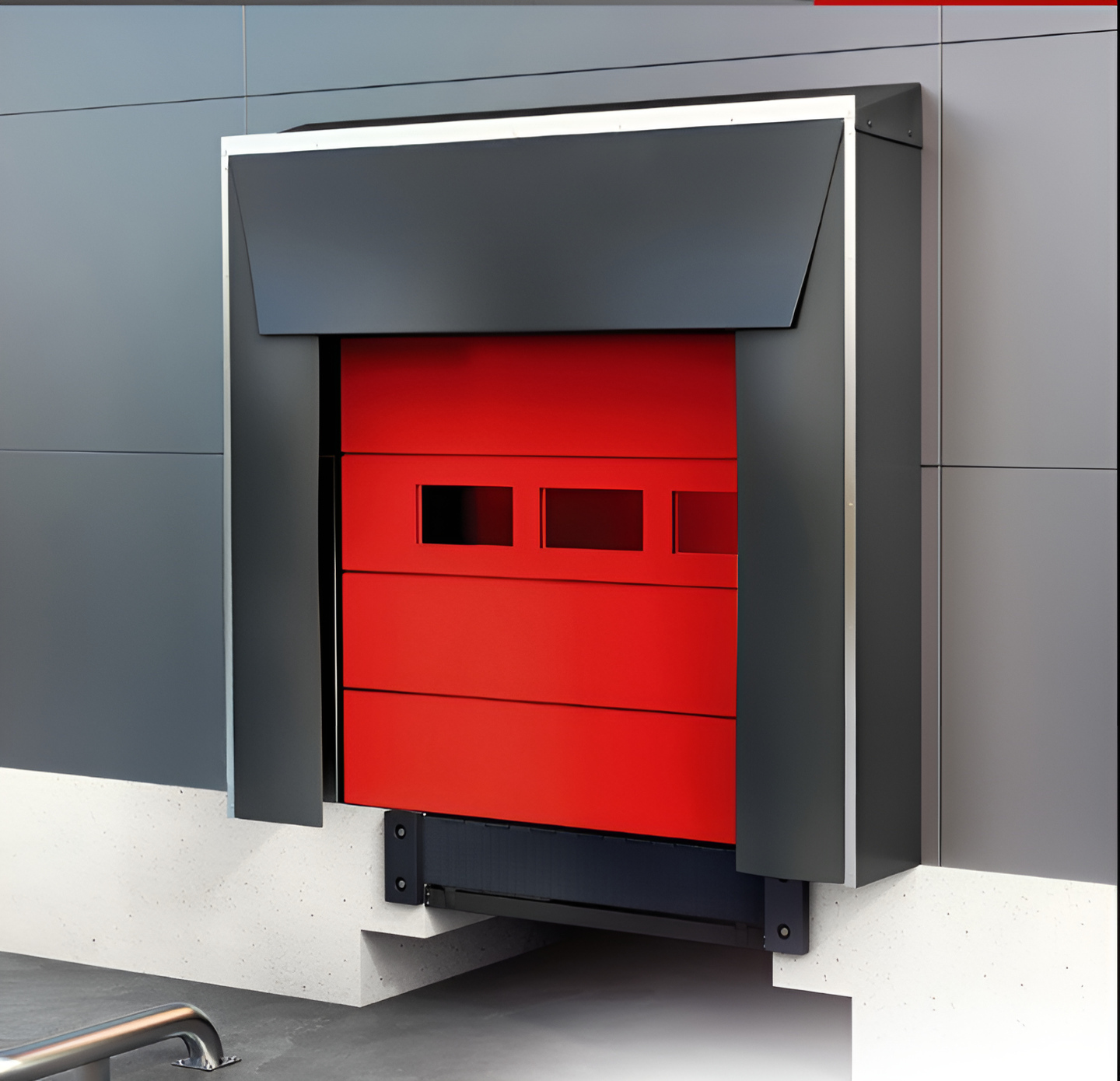
Most people focus on buying the right dock shelter but completely overlook how it gets installed. And honestly, that’s where things go wrong. A poor dock shelter installation can ruin even the most expensive shelter within months. So before you pick up a drill, here’s what you need to know.
Why Do You Need a Dock Shelter?
Think about what happens every time a truck backs into your dock without a shelter, wind rushes in, rain follows, and if you’re running a temperature-controlled facility, your energy costs quietly shoot up. A dock shelter installation puts a stop to all of that. It seals the gap between your building and the trailer, keeping the inside protected no matter what’s happening outside. Simple concept, massive difference in day-to-day operations.
Common Mistakes to Avoid When You Install a Dock Shelter
Getting a dock shelter up on the wall looks straightforward. But there are a handful of mistakes that catch people off guard every single time.
● Measurement Mistakes to Avoid
This is where most mistakes begin. People eyeball the opening or rely on old notes and end up with a shelter that doesn’t fit right. For a proper dock shelter installation, you need exact measurements, width, height, and projection of everything. One inch off and you’re looking at gaps that make the whole thing pointless.
● Picking a Shelter Without Thinking About Your Trailers
Not every truck that pulls into your dock is the same size. If you’re regularly receiving refrigerated units or oversized trailers, a standard shelter isn’t going to seal properly around them. Match the shelter to the actual trailers you receive — not just whatever’s listed as “standard.”
● Mounting It on a Wall That Isn’t Ready
A cracked wall, leftover debris, uneven surfaces—all of this causes problems once the shelter is bolted on. The anchor points weaken, the frame sits crooked, and the seal suffers. Clean the surface, fix what needs fixing, then install.
● Going Cheap on the Hardware
Every truck that docks puts real force on your shelter. That force travels straight to the fasteners. If you’ve used the wrong size or wrong type of hardware for your wall material, it’s only a matter of time before something gives.
● Blocking the Shelter’s Movement
Dock shelters compress and bounce back constantly. If there‘s a column, a wall edge, or a door frame sitting too close, that movement gets restricted. The foam breaks down faster, the fabric tears, and you’re replacing it way sooner than you should be.
● Trying to Do It Without Professional Help
There’s no shame in calling someone who does this for a living. Alignment issues from DIY dock shelter installation are incredibly common—and fixing them costs more than the professional installation would have in the first place.
Conclusion
A dock shelter works as hard as its installation allows it to. Get the measurements right, prepare the surface properly, use the correct hardware, and don’t cut corners with professional help. Do it right once and it’ll hold up for years without giving you a second thought.
