

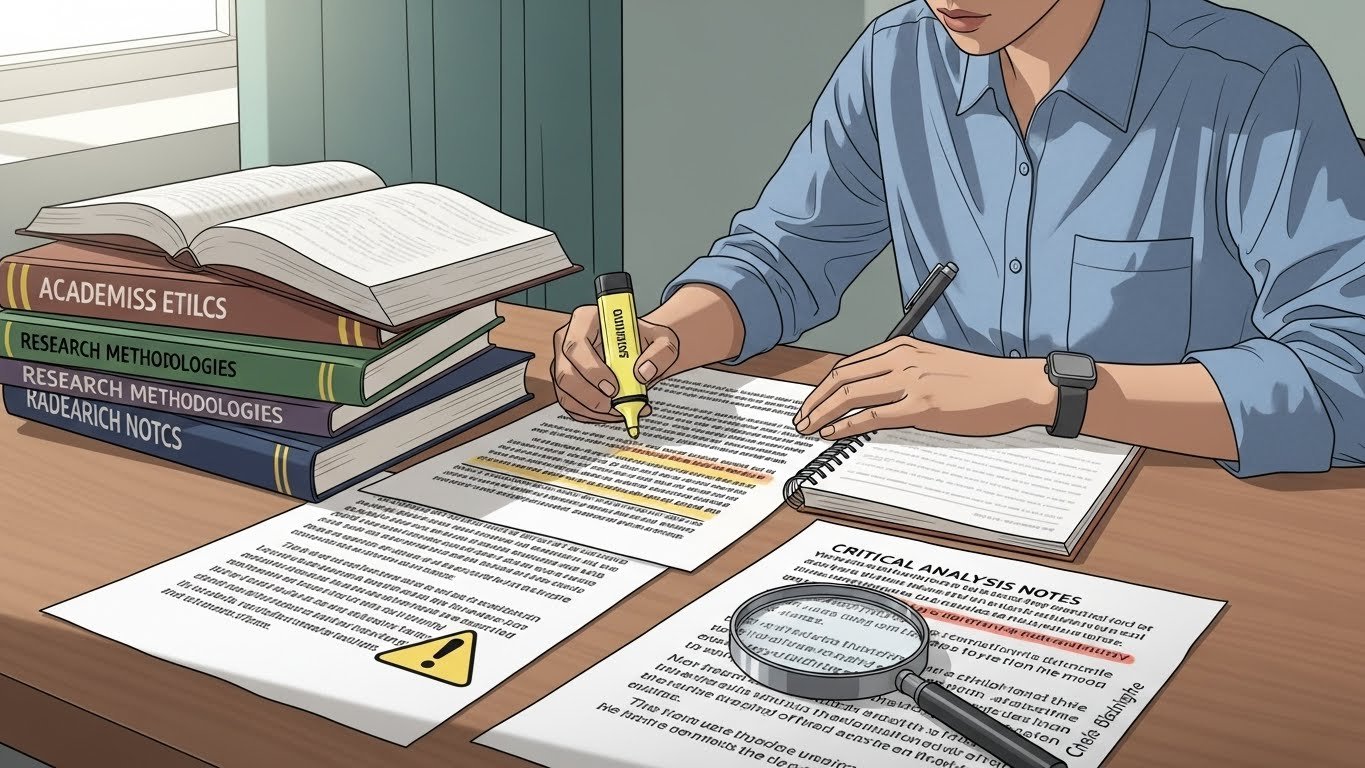
Academic writing is more than just putting words on paper—it is a structured, disciplined way of thinking, analysing, and communicating ideas. Whether you are a university student, researcher, or aspiring scholar, mastering academic writing is essential for success. It not only improves your grades but also enhances your critical thinking and communication skills, which are valuable far beyond the classroom.
In today’s fast-paced academic environment, students often struggle to meet deadlines, maintain quality, and follow strict formatting guidelines. This is where proper guidance and, in some cases, professional Uni Assignment Help can make a significant difference. However, before seeking external support, it is important to understand the fundamentals of academic writing.
What is Academic Writing?
Academic writing is a formal style of writing used in universities and scholarly publications. It is characterised by clear structure, evidence-based arguments, and a neutral tone. Unlike casual or creative writing, academic writing focuses on logic, clarity, and precision.
The main purpose of academic writing is to inform, analyse, or persuade based on evidence. It requires students to engage with existing research, evaluate different perspectives, and present their own arguments in a coherent manner.
Key Features of Academic Writing
Understanding the essential features of academic writing is the first step towards mastering it.
1. Formal Tone
Academic writing avoids slang, contractions, and overly casual language. Instead, it uses formal vocabulary and maintains a professional tone throughout.
2. Structured Format
Most academic papers follow a standard structure:
- Introduction
- Literature Review (if applicable)
- Methodology (for research papers)
- Main Body
- Conclusion
Each section serves a specific purpose and contributes to the overall argument.
3. Evidence-Based Arguments
Every claim in academic writing must be supported by credible sources such as journals, books, or reliable online materials.
4. Objectivity
Academic writing avoids personal bias and focuses on facts and evidence. Opinions must be supported by research.
5. Proper Referencing
Citations and references are crucial to avoid plagiarism and give credit to original authors. Common styles include APA, MLA, Harvard, and Chicago.
Importance of Academic Writing for Students
Academic writing plays a vital role in a student’s educational journey. Here’s why it matters:
Enhances Critical Thinking
Writing academically requires analysing information, comparing viewpoints, and forming logical arguments.
Improves Research Skills
Students learn how to find, evaluate, and use credible sources effectively.
Builds Communication Skills
Clear and structured writing helps convey complex ideas in an understandable way.
Prepares for Professional Life
Many careers require report writing, proposals, and formal communication—all rooted in academic writing skills.
Common Challenges Students Face
Despite its importance, many students struggle with academic writing due to various reasons:
Lack of Understanding
Some students are unfamiliar with academic conventions and expectations.
Time Constraints
Balancing multiple assignments, exams, and personal commitments can be overwhelming.
Language Barriers
Non-native English speakers often find it difficult to express complex ideas clearly.
Plagiarism Issues
Improper citation or lack of paraphrasing skills can lead to unintentional plagiarism.
Poor Structure
Many students find it challenging to organise their ideas logically.
In such situations, seeking guidance or Uni Assignment Help can provide clarity and improve overall performance.
Steps to Improve Academic Writing Skills
Improving academic writing is a gradual process that requires practice and consistency. Here are some effective steps:
1. Understand the Assignment
Before you start writing, carefully read the instructions. Identify:
- The topic
- Required format
- Word count
- Referencing style
2. Conduct Thorough Research
Use credible sources such as:
- Academic journals
- Books
- University databases
Take notes and organise your findings before writing.
3. Create an Outline
An outline helps structure your ideas and ensures a logical flow. Divide your content into sections and bullet points.
4. Write a Strong Introduction
Your introduction should:
- Provide background information
- Clearly state the purpose
- Include a thesis statement
5. Develop Clear Arguments
Each paragraph should focus on one main idea, supported by evidence and examples.
6. Use Proper Referencing
Always cite your sources correctly to maintain academic integrity.
7. Edit and Proofread
Check for:
- Grammar and spelling errors
- Clarity and coherence
- Proper formatting
Editing is just as important as writing.
The Role of Uni Assignment Help
In today’s competitive academic world, many students turn to professional services for support. University Assignment Help is not just about completing tasks—it’s about learning and improving.
Here’s how it can benefit students:
Expert Guidance
Professional writers and tutors provide insights into complex topics and help students understand difficult concepts.
Time Management
Students can focus on other priorities while ensuring their assignments are completed on time.
Quality Improvement
Well-structured and properly researched assignments help students achieve better grades.
Learning Support
By reviewing professionally written assignments, students can learn proper formatting, referencing, and writing techniques.
However, it is important to use such services ethically—as a learning tool rather than a shortcut.
Tips for Writing High-Quality Academic Papers
To stand out academically, follow these practical tips:
Stay Focused on the Topic
Avoid unnecessary information and stick to the main argument.
Use Clear and Concise Language
Do not overcomplicate your sentences. Simplicity improves readability.
Avoid Plagiarism
Always paraphrase and cite sources properly.
Maintain Logical Flow
Ensure smooth transitions between paragraphs.
Support Arguments with Evidence
Use data, statistics, and credible references to strengthen your points.
Follow Formatting Guidelines
Pay attention to font size, spacing, and citation style.
Common Types of Academic Writing
Students encounter different types of academic writing throughout their studies:
Essays
Used to present arguments or analyse topics.
Research Papers
Involve in-depth study and original findings.
Reports
Focus on presenting information clearly and concisely.
Case Studies
Analyse real-life situations and provide solutions.
Literature Reviews
Summarise and evaluate existing research on a topic.
Each type requires a slightly different approach, but the core principles of academic writing remain the same.
The Future of Academic Writing
With advancements in technology, academic writing is evolving. Tools like grammar checkers, plagiarism detectors, and AI assistants are helping students improve their work. However, the fundamental skills—critical thinking, research, and clarity—remain irreplaceable.
Students must adapt to these changes while maintaining academic integrity and originality.
Conclusion
At Atechvibe, academic writing is a crucial skill that every student must develop. It goes beyond assignments and exams—it shapes how you think, analyse, and communicate. While it may seem challenging at first, consistent practice and the right strategies can make it manageable and even enjoyable.
For students who feel overwhelmed, seeking Uni Assignment Help can provide valuable support and guidance. However, the ultimate goal should always be to learn and improve your own skills.
By understanding the principles of academic writing and applying them effectively, you can achieve academic success and build a strong foundation for your future career.
