

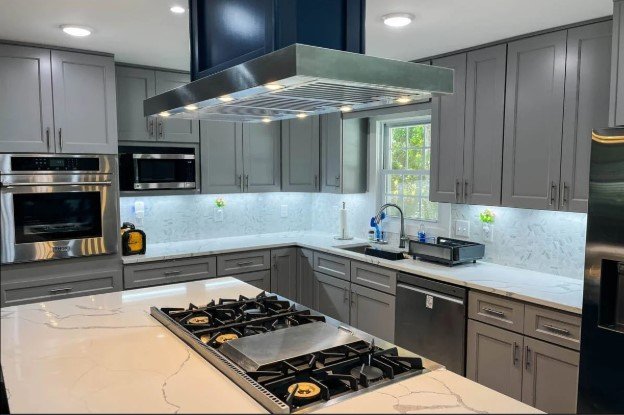
Selecting the right kitchen hood is more than just a design decision—it directly impacts air quality, cooking comfort, and the overall functionality of your kitchen. Choosing a 60 kitchen hood becomes especially important when working with larger cooktops or open layouts that demand powerful ventilation. With larger cooking surfaces becoming increasingly popular, a 60-inch hood offers broader coverage and stronger airflow, making it ideal for serious home cooks and open-concept kitchens. However, choosing the perfect one requires a balance of performance, aesthetics, and compatibility with your space.
Understanding the Role of a 60 Kitchen Hood
A 60 kitchen hood is designed to efficiently remove smoke, grease, odours, and airborne particles generated during cooking. Unlike smaller models, it provides extended coverage for wider cooktops or professional-style ranges. This makes it particularly valuable in kitchens where high-heat cooking, grilling, or frequent meal preparation takes place.
Beyond functionality, it also serves as a visual centerpiece. Whether sleek and modern or classic and concealed, the hood can define the kitchen’s overall style.
Key Factors to Consider Before Buying
Kitchen Layout and Hood Type
Your kitchen layout plays a crucial role in determining the right type of 60 kitchen hood. Wall-mounted hoods are ideal for ranges set against a wall, while island hoods are designed for cooktops centered in the kitchen. For a more seamless look, built-in or insert hoods can be integrated into cabinetry.
Each type comes with its own installation requirements, so assessing your kitchen structure beforehand helps avoid costly modifications later.
Ventilation Power (CFM)
One of the most critical aspects of a 60 kitchen hood is its airflow capacity, measured in cubic feet per minute (CFM). A higher CFM rating indicates stronger ventilation. For heavy cooking styles involving frying or searing, a higher CFM ensures efficient removal of smoke and grease.
As a general rule, match the hood’s power with your cooking habits rather than simply opting for the highest number available. Excessive power can lead to unnecessary noise and energy consumption.
Ducted vs Ductless Systems
Another important decision is choosing between ducted and ductless configurations. A ducted 60 kitchen hood vents air outside your home, offering superior performance and long-term efficiency. In contrast, ductless models use filters to recirculate air, making them suitable for spaces where external venting is not feasible.
While ductless systems are easier to install, they require regular filter maintenance to maintain effectiveness.
Design and Material Considerations
Aesthetic Integration
The appearance of your 60 kitchen hood should complement your kitchen’s overall design. Stainless steel remains a popular choice for its durability and modern appeal, while custom wood hoods can create a more traditional or rustic look.
Consider how the hood interacts with cabinetry, lighting, and backsplash elements to achieve a cohesive design.
Noise Levels
Noise is often overlooked but significantly affects user experience. A powerful 60 kitchen hood can generate noticeable sound, especially at higher speeds. Look for models with multiple fan settings or advanced noise-reduction technology to maintain a comfortable cooking environment.
Installation and Space Requirements
Proper installation is essential for maximizing the efficiency of a 60 kitchen hood. The distance between the hood and the cooktop must align with manufacturer recommendations to ensure optimal airflow. Additionally, ceiling height, duct placement, and available clearance should all be evaluated before purchase.
Professional installation is often recommended, particularly for larger hoods, to ensure safety and performance standards are met.
Maintenance and Long-Term Performance
Regular maintenance extends the lifespan of your 60 kitchen hood and keeps it functioning effectively. Grease filters should be cleaned or replaced periodically, depending on usage. Stainless steel surfaces require occasional polishing to maintain their appearance.
Investing in a model with easily accessible components simplifies upkeep and reduces long-term effort.
Conclusion
Choosing the right 60 kitchen hood involves a thoughtful assessment of your cooking habits, kitchen layout, and design preferences. By focusing on ventilation power, installation compatibility, and aesthetic harmony, you can select a hood that enhances both performance and style. whether in an indoor setup or when considering an outdoor hood range. A well-chosen hood not only improves air quality but also elevates the entire cooking experience.
