

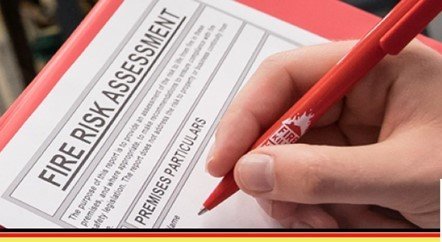
Fire safety is a legal and moral responsibility for anyone who owns or manages a property in London. One of the most important aspects of compliance is obtaining a fire safety certificate. Whether you run a small shop, manage a residential building, or operate a large commercial facility, understanding fire safety certification is essential to protect lives and avoid legal consequences.
What is a Fire Safety Certificate?
A Fire Safety Certificate in London is an official document confirming that a property complies with fire safety regulations. It indicates that fire prevention measures, detection systems, and evacuation procedures are in place and meet legal standards.
In the UK, the concept of a “fire safety certificate” is not always a single issued document like in some countries. Instead, compliance is demonstrated through a fire risk assessment, proper documentation, and adherence to fire safety laws.
Legal Framework in London
Fire safety regulations in London are governed by the Regulatory Reform (Fire Safety) Order 2005. This law places responsibility on the “responsible person,” such as a business owner, landlord, or property manager.
Key legal requirements include:
- Conducting a fire risk assessment
- Implementing appropriate fire safety measures
- Maintaining fire safety equipment
- Training staff on fire procedures
- Keeping records of compliance
The London Fire Brigade is responsible for enforcing these regulations and can inspect premises to ensure compliance.
Who Needs a Fire Safety Certificate?
Fire safety compliance applies to nearly all non-domestic premises in London, including:
- Offices and corporate buildings
- Retail shops and shopping centres
- Restaurants and cafes
- Warehouses and factories
- Rental properties and HMOs (Houses in Multiple Occupation)
- Hotels and guesthouses
Even small businesses must comply with fire safety regulations.
Why is a Fire Safety Certificate Important?
1. Legal Compliance
Failing to meet fire safety requirements can result in fines, prosecution, or business closure.
2. Protection of Life
Fire safety measures reduce the risk of injury or loss of life during a fire.
3. Property Protection
Proper systems help minimize damage to buildings and assets.
4. Insurance Requirements
Insurance companies often require proof of fire safety compliance before approving claims.
5. Business Reputation
A safe environment builds trust with customers, employees, and stakeholders.
Steps to Obtain Fire Safety Certification
Conduct a Fire Risk Assessment
A fire risk assessment is the foundation of fire safety compliance. It identifies hazards, evaluates risks, and recommends actions.
Install Fire Safety Systems
Ensure your property is equipped with:
- Fire alarms and smoke detectors
- Fire extinguishershttps://frapro.co.uk/
- Emergency lighting
- Fire doors and escape routes
Implement Fire Safety Procedures
Create clear evacuation plans and ensure all occupants understand emergency procedures.
Train Staff
Employees should be trained in fire safety practices, including how to respond during an emergency.
Maintain Documentation
Keep records of:
- Fire risk assessments
- Equipment maintenance
- Staff training
- Safety drills
6. Regular Inspections and Maintenance
Fire safety equipment must be regularly tested and maintained to remain compliant.
Fire Safety Equipment Requirements
To meet fire safety standards in London, properties typically require:
- Fire Alarms: Early detection is crucial
- Fire Extinguishers: Suitable types for different fire risks
- Emergency Lighting: Ensures visibility during evacuation
- Fire Doors: Prevents fire spread
- Signage: Clearly marked escape routes
Each type of property may have specific requirements depending on its use and size.
Common Mistakes to Avoid
Many property owners unknowingly fail to comply due to common mistakes such as:
- Not conducting a proper fire risk assessment
- Ignoring maintenance of fire equipment
- Blocking emergency exits
- Failing to train staff
- Not updating fire safety plans
Avoiding these errors can save lives and prevent legal issues.
Role of Professional Fire Safety Services
Hiring a professional fire safety company can simplify the certification process. Experts can:
- Conduct thorough fire risk assessments
- Install and maintain fire safety equipment
- Provide staff training
- Ensure full compliance with UK laws
Professional services are especially useful for complex or large properties.
Cost of Fire Safety Certification in London
The cost of obtaining fire safety compliance varies based on:
- Property size
- Type of business
- Complexity of fire risks
- Required equipment and upgrades
Small businesses may spend a few hundred pounds, while larger properties may require a more significant investment.
Consequences of Non-Compliance
Failure to comply with fire safety regulations can lead to:
- Heavy fines
- Legal prosecution
- Business shutdown
- Invalid insurance claims
- Risk to human life
The London Fire Brigade conducts inspections and takes enforcement action where necessary.
Tips for Staying Compliant
- Review your fire risk assessment regularly
- Test fire alarhttps://atechvibe.com/ms weekly
- Service fire extinguishers annually
- Conduct fire drills
- Keep escape routes clear
- Update safety procedures when changes occur
Consistency is key to maintaining compliance.
Fire safety certification in London is not just a legal requirement—it is a vital step in ensuring the safety of people and property. By conducting proper fire risk assessments, installing the right equipment, and maintaining compliance with the Regulatory Reform (Fire Safety) Order 2005, you can create a safe and secure environment.
Whether you are a business owner or landlord, taking fire safety seriously protects your investment and the lives of those who depend on you.
FAQs
1. Is a fire safety certificate mandatory in London?
There is no single certificate issued in all cases, but compliance with the Regulatory Reform (Fire Safety) Order 2005 is mandatory.
2. Who is responsible for fire safety in a building?
The “responsible person,” such as the employer, landlord, or property manager.
3. How often should fire safety checks be done?
Regular checks should be conducted, with formal reviews at least annually or after significant changes.
4. Can I get fined for not having fire safety measures?
Yes, non-compliance can result in fines, prosecution, or closure.
5. Do landlords need fire safety certification?
Yes, landlords must ensure their properties meet fire safety requirements.
6. How long does it take to become compliant?
It depends on the property, but it can range from a few days to several weeks.
7. Who enforces fire safety laws in London?
The London Fire Brigade enforces fire safety regulations.
