

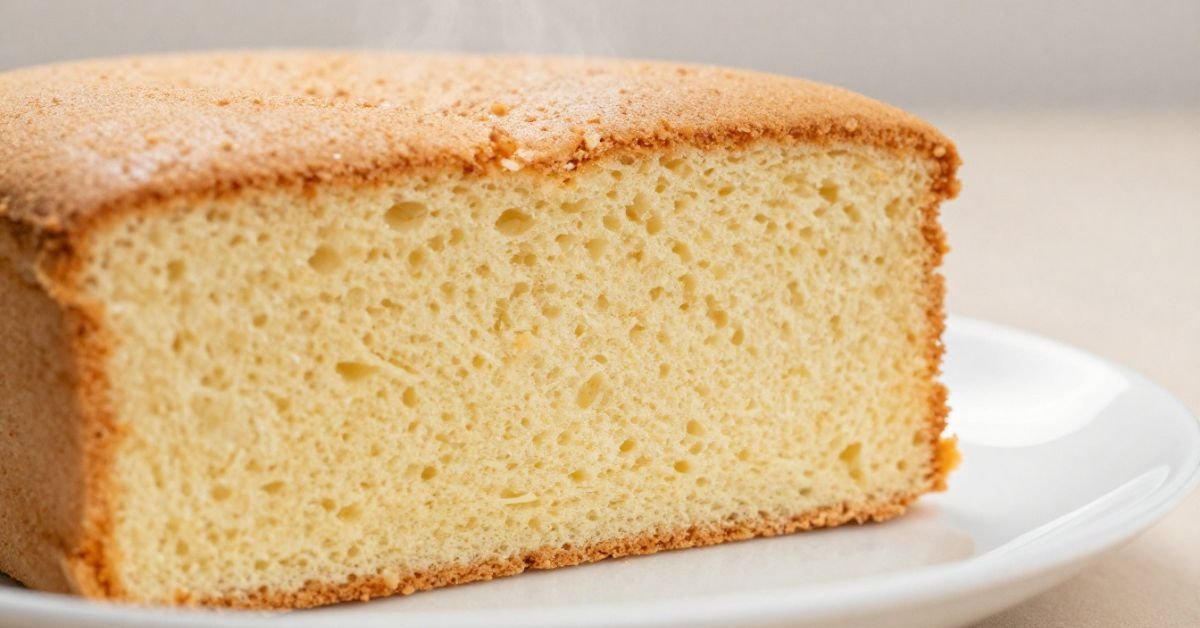
Eggless cakes have become extremely popular among people who prefer vegetarian baking or have egg allergies. Many home bakers and professional bakers now focus on creating cakes that are just as soft, moist, and fluffy as traditional cakes made with eggs. The secret behind a good eggless cake lies in the right combination of ingredients, proper mixing methods, and accurate baking techniques. Students joining Bakery Training In Chennai often learn that eggless baking is not about simply removing eggs from a recipe, but about replacing their function in a smart and balanced way.
Why Eggs Are Important in Cakes
Before understanding eggless cakes, it is important to know the role eggs usually play in baking. Eggs help provide structure, moisture, softness, and air to cake batter. They also help cakes rise properly and create a light texture.
When eggs are removed, bakers need alternative ingredients that can perform similar functions. This is why eggless baking requires careful ingredient selection and proper measurements.
A well-made eggless cake should still feel soft, airy, and rich without becoming dry or dense.
Ingredients That Replace Eggs Successfully
One of the main reasons modern eggless cakes taste so good is the variety of ingredients available for egg replacement. Different ingredients are used depending on the type of cake being prepared.
Curd or yogurt is one of the most commonly used substitutes because it adds moisture and softness to the batter. Condensed milk is another popular option that improves richness and texture while adding slight sweetness.
Some bakers also use mashed bananas, applesauce, or buttermilk to create moist cakes naturally. Vinegar combined with baking soda is another important combination because it creates air bubbles that help cakes rise beautifully.
These ingredients work together to make the cake light and fluffy even without eggs.
The Importance of Proper Mixing
Mixing plays a major role in achieving soft texture in eggless cakes. Overmixing can make cakes hard and dense because it develops too much gluten in the flour. On the other hand, undermixing can leave uneven pockets in the batter.
Professional bakers usually mix dry and wet ingredients gently to maintain a smooth and airy consistency. Folding techniques are often used to keep the batter light.
The temperature of ingredients also matters. Ingredients like milk, butter, or curd are usually brought to room temperature before mixing. This helps the batter combine evenly and improves the final texture of the cake.
Choosing the Right Flour and Fat
The type of flour used can greatly affect cake softness. Cake flour or low-protein flour is often preferred because it creates a lighter crumb. Some bakers also combine all-purpose flour with corn flour for a softer texture.
Fat is another important factor. Butter gives richness and flavor, while oil provides extra moisture and softness. Many bakers prefer oil-based eggless cakes because they remain soft for a longer time compared to butter cakes.
Using the correct amount of fat helps prevent the cake from drying out after baking.
Baking Temperature and Timing Matter
Even the best batter can fail if the baking temperature is incorrect. Eggless cakes are sensitive to oven heat, so proper temperature control is very important.
If the oven is too hot, the cake may rise quickly and collapse later. If the temperature is too low, the cake may become dense and undercooked. Most soft eggless cakes bake best at moderate temperatures with even heat distribution.
Preheating the oven is another important step because it helps the cake rise properly from the beginning.
Why Eggless Cakes Are Becoming More Popular
Today, customers are looking for cakes that suit different dietary preferences without compromising on taste. Eggless cakes are widely preferred for birthdays, weddings, celebrations, and café menus because they are suitable for a larger audience.
Students enrolled in a Bakery Course in Coimbatore often explore modern eggless baking techniques to meet current customer demand. Learning these methods helps bakers create professional-quality cakes with excellent softness and presentation.
The growing popularity of eggless baking has also encouraged bakers to experiment with healthier ingredients and creative flavor combinations.
Conclusion
Soft and delicious eggless cakes are created through the right balance of ingredients, mixing methods, and baking techniques. Ingredients like curd, condensed milk, and baking soda help replace the functions of eggs while maintaining moisture and fluffiness. Proper baking temperature and gentle mixing further improve the final texture. With the advancement of modern baking methods, eggless cakes are now just as enjoyable and appealing as traditional cakes, making them a favorite choice for both bakers and customers.
