


Clearing agricultural land is not just about knocking trees down and pushing dirt around. A lot of people think that. They rent equipment, tear through the property, then months later they’re dealing with drainage problems, soil erosion, stumps popping up again, or fields that still won’t grow properly. Bad clearing work creates long-term headaches. Real ones.
The proper method for preparing farmland starts with understanding the land itself. Soil type. Slope. Water flow. Existing vegetation. Even old root systems matter more than people realize. Good contractors take their time upfront because rushing usually costs more later. That’s why many property owners start searching for “land clearing companies near me” before touching anything themselves. Smart move honestly.
Start With a Full Property Inspection Before Anything Else
Before machines ever hit the ground, the land needs to be evaluated carefully. Walk the property. Look for soft spots, drainage areas, buried debris, fencing, rocks, or old structures hidden in overgrowth. It sounds simple but this step gets skipped constantly.
A professional land clearing contractor will usually mark protected trees, identify erosion risks, and figure out the safest clearing path for equipment access. Agricultural properties especially can hide problems under thick brush. Old wire fencing wrapped into tree roots is common. Rusted junk too. Tractor tires don’t enjoy that stuff.
This stage also helps determine whether forestry mulching, excavation, stump grinding, or selective clearing makes the most sense.
Removing Trees the Right Way Saves Future Problems
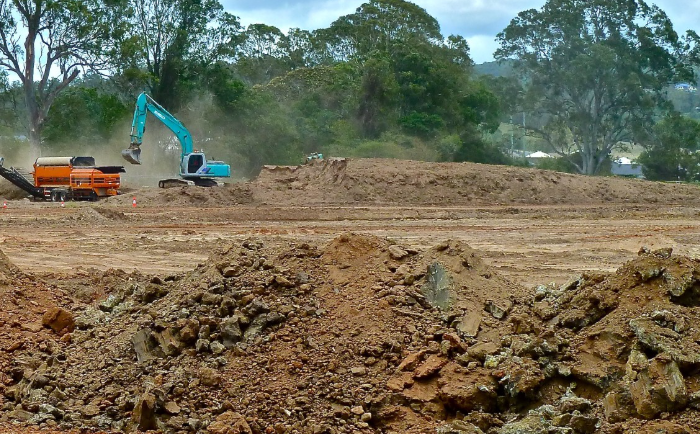
Tree removal isn’t just cutting trunks and leaving. That’s amateur work. Agricultural land needs clean usable ground afterward. Stumps, roots, and leftover debris can interfere with plowing, fencing, irrigation systems, and future crop production.
Large trees usually require controlled removal to avoid damaging surrounding soil. Heavy equipment operators should remove root systems when necessary, especially if the area will become active farmland. Leaving roots underground can create uneven settling later on. Not ideal if you’re trying to run equipment across the field.
A lot of landowners searching for land clearing companies near me are really looking for someone who understands farm preparation, not just demolition. Big difference there.
Forestry Mulching Can Be a Smarter Option Sometimes
Not every property needs full excavation. Sometimes forestry mulching is the better route. It depends on the land goals. Mulching machines grind brush, saplings, and small trees directly into the soil surface. Faster cleanup. Less hauling. Less soil disruption too.
For hunting land, pasture prep, trails, or lightly wooded acreage, forestry mulching works incredibly well. It also helps reduce erosion because the mulch layer protects exposed soil from heavy rain. Pretty useful in areas where runoff becomes a problem.
Still, mulching alone may not fully prepare land for farming. Thick root systems and buried stumps can remain underneath. That’s why experienced contractors evaluate the intended land use before deciding the clearing method.
Soil Preparation Is Where Real Agricultural Success Begins
Here’s the part many people ignore. Land clearing is only half the process. Preparing the soil afterward matters just as much. Maybe more honestly.
Once vegetation is removed, the land often needs grading, leveling, and debris cleanup. Rocks come out. Compacted soil gets loosened. Drainage paths are corrected. Some properties even require erosion control measures before planting can begin.
Good agricultural preparation creates stable, workable ground. Bad preparation creates standing water and poor crop growth. You can usually tell within the first rainy season whether the clearing was done properly.
Professional excavation and land management crews understand how soil behaves after clearing. That experience matters more than people think.
Erosion Control Should Never Be Ignored
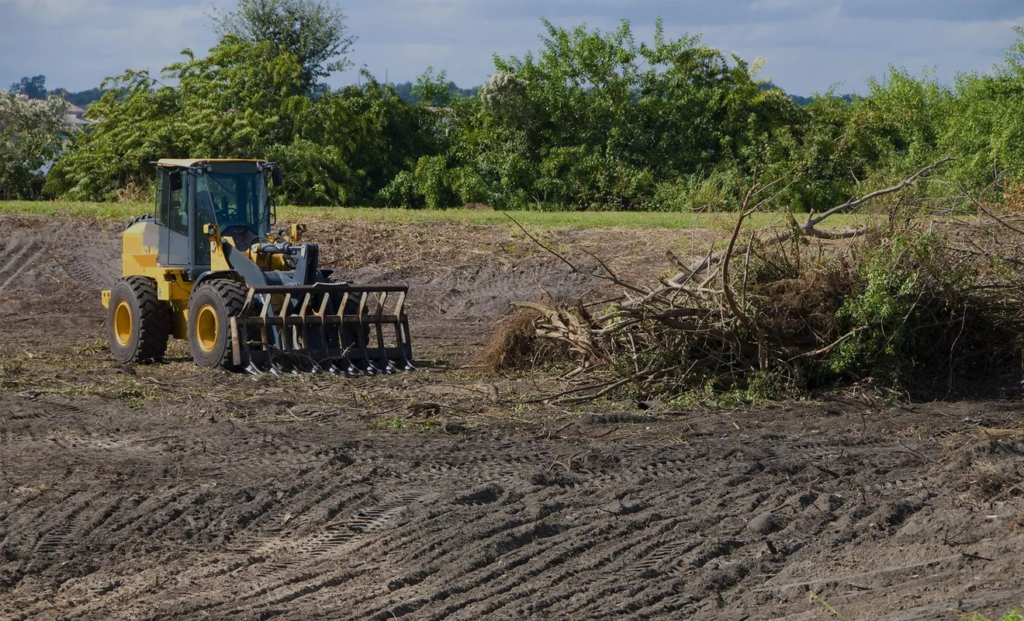
Freshly cleared land becomes vulnerable fast. Without vegetation holding soil together, rainwater can wash topsoil away surprisingly quick. One storm can undo weeks of work.
That’s why erosion control needs to be part of the plan from the start. Silt fencing, grading adjustments, drainage channels, and retaining vegetation in key areas all help stabilize the property. Some contractors seed temporary ground cover immediately after clearing to reduce runoff.
This isn’t just about appearance either. Losing topsoil directly impacts agricultural productivity. Once quality soil washes away, getting it back is expensive and frustrating.
Experienced land clearing companies near me usually bring up erosion planning early in the process because they’ve seen what happens when nobody thinks ahead.
Proper Equipment Makes a Huge Difference
The type of machinery used changes everything. Too-small equipment wastes time. Oversized machines can destroy soil structure and leave deep ruts all across the property.
Professional crews typically use a combination of bulldozers, excavators, forestry mulchers, skid steers, and stump grinders depending on the land conditions. The goal is efficiency without unnecessary ground damage.
And honestly, operator skill matters just as much as the machine itself. An experienced equipment operator can clear land cleanly while preserving valuable soil integrity. A careless operator can wreck acreage in one afternoon. Seen it happen.
That’s another reason property owners often search specifically for reputable land clearing companies near me instead of hiring random excavation crews.
Debris Removal and Burning Rules Matter Too
After clearing comes cleanup. Piles of brush, timber, roots, and debris need proper disposal. Some materials can be mulched or recycled. Others require hauling or controlled burning depending on local regulations.
Burning rules vary heavily by county and season. Some areas require permits. Others ban open burning completely during dry months. Ignoring regulations can get expensive quick.
Professional land clearing contractors usually handle disposal legally and safely. That saves landowners from dealing with permit headaches or environmental violations later on. Worth it honestly.
Clean land preparation also improves future usability. Nobody wants hidden stump piles or buried debris surfacing years later while farming.
Timing the Clearing Process Helps Avoid Bigger Costs
The time of year matters more than people realize. Wet ground creates equipment ruts and soil compaction. Frozen conditions can make excavation harder. Spring rains complicate drainage work fast.
Late summer and fall are often ideal for agricultural land clearing because the soil tends to be drier and more stable. Contractors can work more efficiently without tearing the property apart.
Planning ahead also helps with contractor scheduling. The best crews stay busy. Waiting until the last minute usually means longer delays or rushed work. Neither is good for a large agricultural project.
When searching for land clearing companies near me, it’s smart to ask about seasonal recommendations, not just pricing.
Choosing the Right Contractor Can Save Thousands
Not all land clearing companies do agricultural preparation properly. Some focus mainly on residential lots or basic brush removal. Farming land requires a different level of understanding.
Look for contractors experienced with drainage management, soil preparation, forestry mulching, excavation, and erosion control. Ask about past agricultural projects. Pictures help. References too.
Cheap pricing sometimes means shortcuts. And shortcuts in land clearing tend to become expensive later. Really expensive sometimes.
If you’re preparing farmland, pasture, hunting property, or large acreage, working with experienced professionals makes the process smoother from beginning to end. Visit Giles Outdoor Masters to start planning your agricultural land clearing project the right way.
FAQs
How much does agricultural land clearing usually cost?
Costs vary based on acreage, tree density, terrain, and cleanup requirements. Heavy tree removal and stump extraction usually increase pricing significantly.
What is the fastest method for clearing farmland?
Forestry mulching is often the fastest option for light to moderate vegetation, though full agricultural prep may still require excavation and grading afterward.
Should stumps always be removed from farmland?
In most agricultural situations, yes. Leftover stumps and roots can interfere with farming equipment and future soil stability.
How long does land clearing usually take?
Small properties may take a few days. Larger agricultural projects can take several weeks depending on weather, terrain, and debris removal needs.
Why search for professional land clearing companies near me?
Experienced local contractors understand soil conditions, regional regulations, drainage concerns, and proper agricultural preparation methods for your area.
