

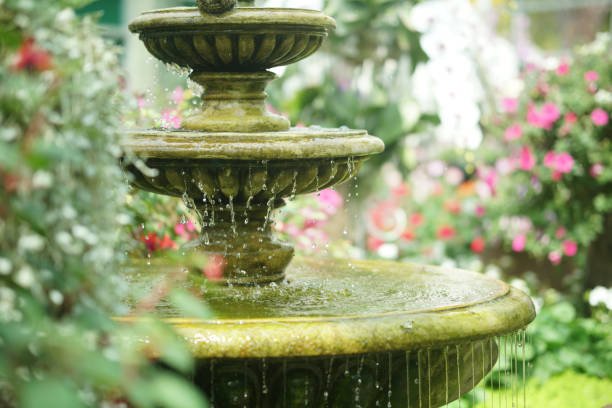
There’s something weirdly calming about water moving in a space. Not loud waterfalls or anything dramatic, just a steady flow from garden fountains or simple outdoor fountains sitting in a yard or patio. You don’t always notice it at first. Then one day you realize… the place feels different. Softer somehow.
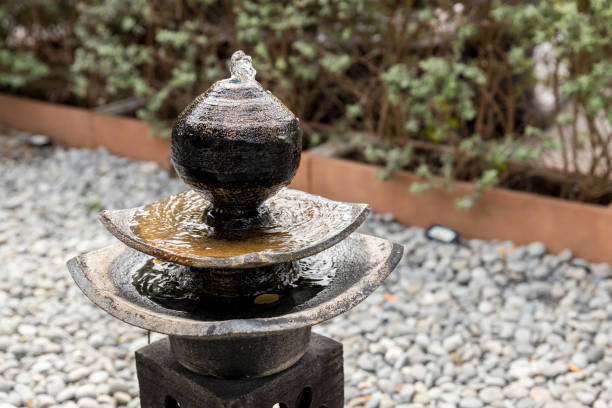
People overthink it sometimes. They imagine fountains are only for big mansions or fancy hotels. Not really true. Even a small courtyard or a plain backyard can change a lot with the right water feature. It’s less about luxury, more about mood.
And honestly, most people don’t buy fountains for “decoration only.” They buy it because they want that quiet sound in the background. Something that makes the space feel alive but not noisy.
Why Garden Fountains Still Matter More Than You Think
We live in a world full of screens, traffic noise, constant pings. So yeah, a bit of flowing water in your garden hits differently.
Garden fountains aren’t just old-school decor. They actually do a few subtle things:
They mask annoying background noise. Dogs barking, traffic, neighbors shouting—water sound covers it up in a soft way.
They change how you feel in a space. Sounds dramatic, but it’s real. People sit longer near water. They relax without trying.
And there’s also this visual thing. Even a basic fountain becomes the “center” of a garden without trying too hard.
I’ve seen people install one small fountain and suddenly they start spending evenings outside. Before that, they barely stepped out.
Funny how that works.
Outdoor Fountains Can Fit Almost Anywhere (Not Just Big Gardens)
When people hear outdoor fountains, they often imagine huge stone structures in palace-style gardens. That’s outdated thinking.
Today, outdoor fountains come in all shapes:
Small corner fountains for balconies
Wall-mounted ones for tight patios
Medium freestanding pieces for lawns
Even minimalist modern designs for rooftop setups
It’s more flexible than people think. You don’t need a massive lawn. You just need a spot where water sound can breathe a bit.
One mistake people make is overthinking placement. They try to “perfectly center” everything. But sometimes, slightly off-center actually looks more natural. Less staged.
Outdoor fountains also work well in unexpected places like entryways. Imagine walking into a home and hearing soft water right away. That first impression matters more than people admit.
Choosing the Right Garden Fountain (Without Getting Confused)
Here’s where people usually get stuck. Too many styles, materials, sizes… it gets overwhelming fast.
But honestly, it doesn’t need to be complicated.
Start simple:
Think about your space first, not the fountain. A big fountain in a small area just feels cramped. A tiny one in a large garden might disappear.
Then think about sound. Some fountains are soft and barely noticeable. Others are louder and more active. Neither is wrong, just different moods.
Material matters too, but not in a fancy way. Stone feels classic, resin is lighter and easier, metal feels modern. That’s basically it.
And don’t ignore maintenance. Some people buy beautiful garden fountains and then hate cleaning them. That’s when regret kicks in.
One more thing—water visibility. If you want that calming effect, make sure you can actually see and hear the water. Sounds obvious, but people still mess it up.
Maintenance Isn’t As Hard As People Think (But Yes, It Exists)
Let’s be honest. Any water feature needs a bit of care. But it’s not some huge chore like people imagine.
Outdoor fountains mostly need:
Cleaning once in a while (dust, leaves, algae buildup happens)
Water refill, especially in hot weather
Pump check to make sure flow stays smooth
That’s it really.
The biggest mistake is ignoring it for months. Then the water turns murky, pump gets blocked, and people say “fountains are too much work.”
No. You just forgot it exists.
A little routine keeps outdoor fountains running fine. Not perfect, just fine. And that’s enough.
The Mistakes People Keep Making With Garden Fountains
There are a few common ones, and honestly, they’re easy to avoid.
First mistake: buying only for looks. People pick something that looks amazing in photos but doesn’t fit their space or lifestyle.
Second: ignoring sound level. Some fountains are surprisingly loud. Not always relaxing, sometimes annoying if placed too close to seating.
Third: bad placement. Too close to walls, corners, or plants that block visibility. Then the fountain kind of disappears visually.
Fourth: skipping maintenance expectations. Like mentioned before, water features need basic attention. Not daily, but not “never” either.
And maybe the biggest one—expecting instant transformation. A fountain improves a space, yes, but it doesn’t magically fix a poorly designed garden.
It works with what you already have.
Why People End Up Loving Outdoor Fountains More Than Expected
There’s a pattern you notice if you talk to people who installed them.
At first, they treat it like decoration. Something extra.
Then slowly it becomes the spot they sit near.
Morning coffee? Near the fountain.
Evening wind-down? Same place.
Guests come over? Everyone gathers there.
That’s the thing with garden fountains and outdoor fountains—they create a habit without forcing it. You don’t plan it, it just happens.
Even kids and pets react differently. Dogs sit closer. Kids stare at water longer than you expect. It’s simple but kind of powerful in a quiet way.
Style Matters… But Not As Much As People Think
There’s modern, classic, rustic, wall-mounted, tiered, minimalist… yeah, a lot.
But here’s the truth: the “best looking” fountain is the one that doesn’t feel forced in your space.
A modern home usually fits clean-lined fountains. Traditional gardens lean toward stone or tiered designs. But mixing styles can also work if done casually, not too planned.
Don’t stress too much about trends. Water doesn’t really care about trends anyway.
Small Spaces Still Deserve Water Features
One misconception that won’t die is “you need a big garden for fountains.”
Nope.
Balconies, terraces, small patios—all work fine. Compact outdoor fountains exist exactly for this reason.
Even a wall fountain can change a tight space completely. You don’t need ground space, just a vertical surface.
Sometimes small setups feel even more personal. Less noise, more intimacy.
Final Thought (Not Too Fancy, Just Honest)
If you’ve been thinking about adding garden fountains or upgrading your outdoor fountains, don’t over-plan it for months. People do that and never start.
Pick something simple, something that fits your space, and live with it for a bit. You’ll figure out the rest while using it.
It’s not a complicated design project. It’s more like adding a rhythm to your space that wasn’t there before.
And once it’s there… you kind of notice when it’s not.

FAQs
1. Are garden fountains expensive to maintain?
Not really. Basic maintenance like cleaning and water refilling is enough. If you ignore it for long periods, yeah it becomes work, but regular care keeps it simple.
2. Can outdoor fountains work in small spaces like balconies?
Yes, absolutely. There are compact outdoor fountains designed for small areas. Wall-mounted or tabletop versions work well without taking much space.
3. Do garden fountains use a lot of electricity?
Most modern fountains use small pumps that consume very little electricity. It’s usually not something that shows up heavily on your bill.
4. What is the best place to install a fountain in a garden?
Somewhere visible and slightly open is best. Avoid blocking it behind plants or walls. Near seating areas works great because you actually enjoy the sound.
