

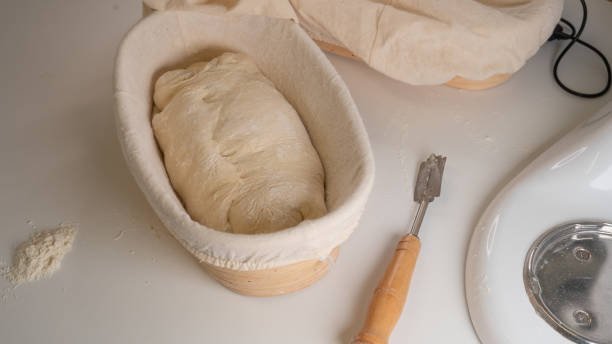
A proofing bowl for bread isn’t decoration — it’s structure, and structure changes everything about how your loaf turns out. When dough proofs in a flat, open bowl it spreads too far, relaxes too much, and loses the strength it needs to hold shape. But when it rises inside a supportive proofing bowl for bread, the curved walls help develop surface tension while guiding the dough upward instead of outward. That support encourages better gas retention, more controlled fermentation, and a tighter, more even crumb once baked. The dough keeps its height, transfers more easily to the oven, and responds better to scoring, giving you cleaner expansion and those beautiful, defined ears bakers love.
Banneton Proofing Basket: Not Just for Looks
A banneton proofing basket, especially traditional rattan ones, gently wicks moisture from the surface of the dough while supporting its shape, creating a slightly firmer outer skin that helps scoring open cleanly in the oven, and those spiral lines everyone loves are just a side effect of a tool designed for airflow, balance, and consistent fermentation rather than aesthetics.
What Happens During Proofing (And Why Shape Is Everything)
During proofing yeast produces gas and flavor compounds, but if the dough spreads sideways because it lacks support, the gluten network weakens and the final loaf turns dense or flat, so using a proper proofing bowl for bread keeps the dough upright and contained, allowing fermentation to build flavor without sacrificing structure.
Choosing the Right Proofing Bowl for Bread
Not all proofing bowls behave the same, plastic traps moisture, stainless steel doesn’t breathe, and wood pulp molds differently, but a classic banneton proofing basket offers airflow and gentle moisture control, making it one of the most reliable options if you want predictable results without fighting sticky surfaces or sagging dough.
Round vs Oval Banneton Proofing Basket
A round banneton proofing basket creates classic boules with even rise and balanced crumb, while an oval version shapes longer batards that slice neatly and fit certain ovens better, and the choice really comes down to how you bake rather than which one is “better,” because mastering one shape beats owning five you barely use.
How to Prepare Your Banneton Proofing Basket Properly
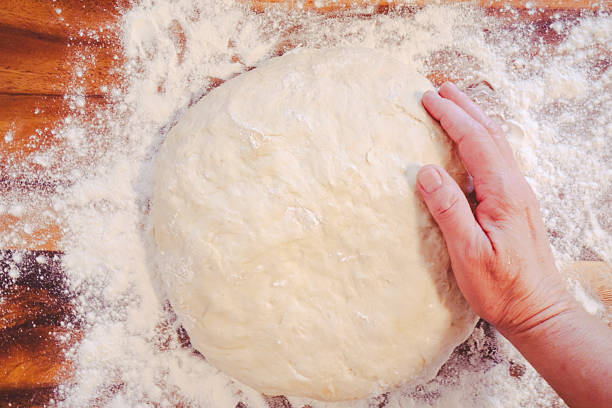
Preparation is simple but important: dust the banneton proofing basket lightly with rice flour instead of regular flour because rice flour resists moisture and prevents sticking, tap out excess flour, avoid washing the basket with water, and let it dry completely after each use so it stays functional for years.
Proofing Bowl for Bread and High Hydration Dough
High hydration dough is loose and unpredictable, so a supportive proofing bowl for bread keeps it from spreading outward and encourages vertical rise, which directly improves oven spring and crumb openness, reinforcing good shaping technique instead of trying to compensate for weak structure.
Cold Proofing in a Banneton Proofing Basket
Cold fermentation in a banneton proofing basket slows yeast activity and deepens flavor while the structured sides help the dough maintain shape overnight, making next-day scoring easier and producing more defined crust expansion once the loaf hits high heat.
Common Mistakes with Proofing Bowls
The biggest mistakes include over-proofing the dough, using regular flour instead of rice flour in the banneton proofing basket, soaking the basket in water, or relying on the bowl to fix poor shaping technique, because the tool supports good habits but won’t rescue weak fundamentals.
Can You Use Alternatives to a Banneton?
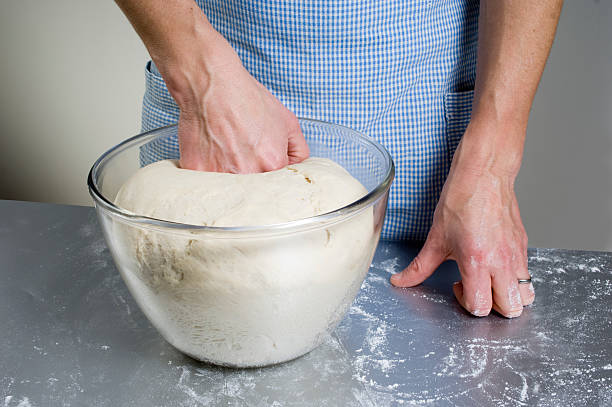
You can proof dough in a towel-lined colander or mixing bowl, and it works in a pinch, but a dedicated banneton proofing basket provides consistent airflow, structure, and moisture control that improvised setups rarely match, especially if you bake regularly and want repeatable results.
Building Confidence Through Better Tools
Using a reliable proofing bowl for bread removes one variable from the baking process, allowing you to focus on fermentation timing, hydration, and scoring rather than worrying about collapsed loaves, and that reduction in stress builds confidence faster than any fancy technique video ever will.
Final Thoughts: Structure First, Flavor Follows
Bread baking comes down to process, and the proofing stage is where structure is either preserved or lost, so investing in a quality banneton proofing basket or supportive proofing bowl for bread creates the environment your dough needs to rise properly, develop character, and bake into something you’re actually proud to slice; visit Abioto Baking to start improving your bread with the right tools.
FAQs About Proofing Bowl for Bread and Banneton Proofing Basket
What is a proofing bowl for bread used for?
A proofing bowl for bread supports dough during final fermentation so it holds shape and develops surface tension before baking.
Is a banneton proofing basket necessary?
It’s not mandatory, but it greatly improves structure, especially for sourdough and high hydration doughs.
Why does dough stick to my banneton proofing basket?
Most sticking issues happen when using regular flour instead of rice flour or when the dough is over-proofed and overly wet.
Can I bake directly inside a banneton proofing basket?
No, a banneton proofing basket is only for proofing; transfer the dough to a Dutch oven or baking surface before baking.
How do I clean a banneton proofing basket?
Let it dry fully after use and brush out excess flour, avoiding water to protect the rattan material.
