

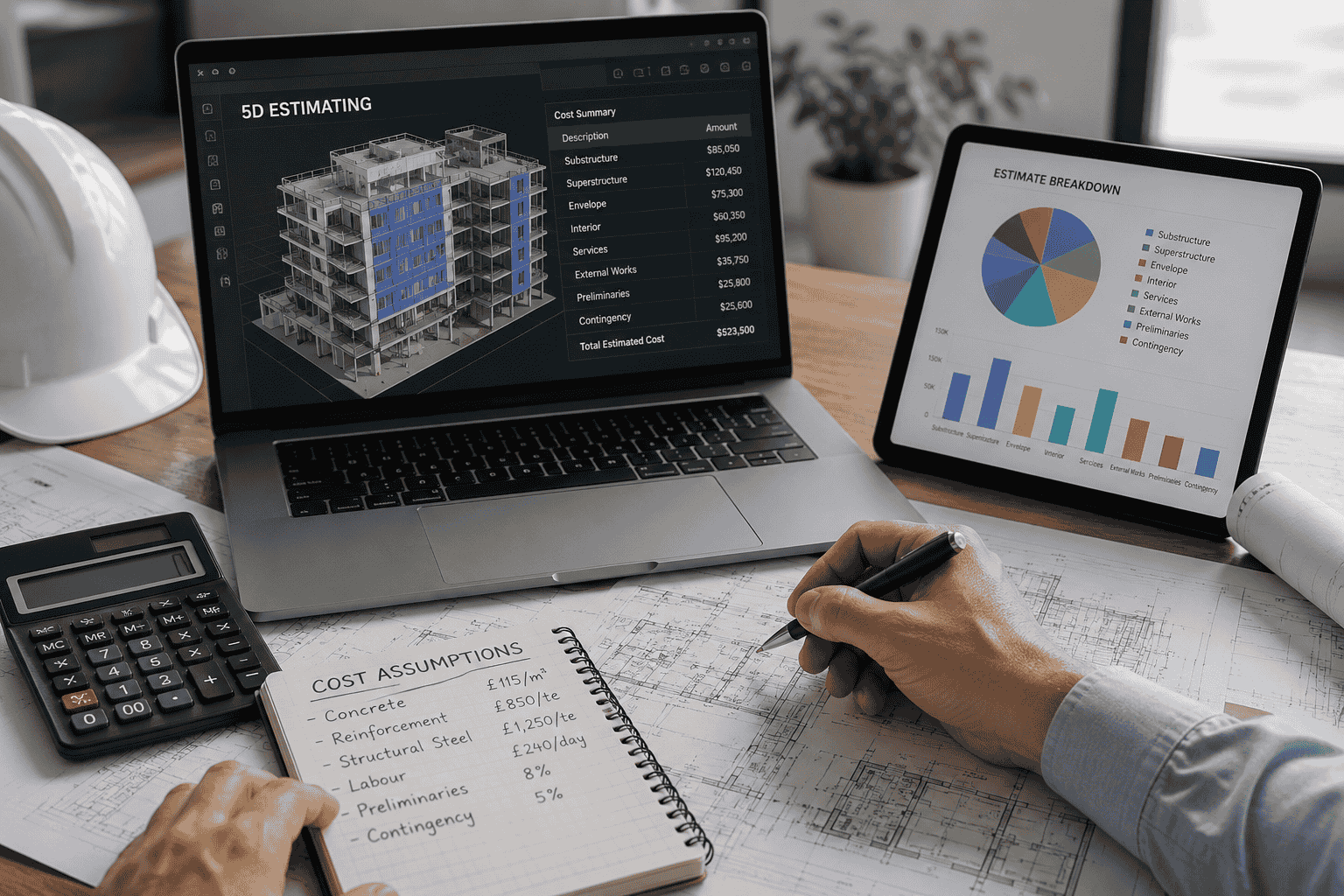
Technology is changing the way businesses plan, organize, and execute projects. From construction and real estate to software development and manufacturing, modern project planning has moved far beyond spreadsheets and static documentation. Organizations now depend on artificial intelligence, predictive systems, data analysis, and digital visualization to improve accuracy and reduce costly mistakes. Companies that adapt to these advancements gain a stronger ability to manage resources, make informed decisions, and complete projects more efficiently.
The rise of intelligent planning systems has introduced a more data driven approach to decision making. Businesses no longer rely only on assumptions or historical patterns. Instead, advanced tools process large amounts of information and provide insights that help teams understand risks and opportunities before work even begins. For example, discussions around modern estimation approaches in development planning highlight how early planning strategies can influence project outcomes and reduce unexpected delays. This shift reflects a broader trend where technology becomes a core part of strategic planning rather than an optional addition.
The Evolution of Traditional Project Planning
For many years, project planning followed a straightforward structure. Teams would define objectives, estimate costs, assign responsibilities, and move forward according to a fixed timeline. While this approach worked for smaller projects, larger and more complex initiatives exposed several limitations.
Traditional systems often struggled with:
- Human calculation errors
- Delayed communication between teams
- Limited forecasting ability
- Difficulty adapting to changing conditions
- Resource allocation problems
As industries expanded and projects became increasingly sophisticated, businesses realized that static planning methods could no longer keep pace with modern demands.
How Artificial Intelligence Is Improving Decision Making
Artificial intelligence is becoming a major component of project management systems. AI powered platforms analyze historical data, identify trends, and generate predictions that help organizations make better decisions.
Several important benefits include:
Improved Risk Detection
AI can identify patterns that suggest potential delays, budget issues, or operational risks. Instead of discovering problems late in a project cycle, managers can address concerns before they become larger obstacles.
Better Resource Management
Intelligent systems can evaluate employee workloads, equipment usage, and scheduling requirements to optimize productivity.
Faster Data Processing
Large projects generate enormous amounts of information. AI tools process this data quickly and present meaningful insights that would otherwise take teams significant time to analyze manually.
Increased Accuracy
Prediction models help reduce uncertainty by providing realistic estimates based on data rather than assumptions.
These improvements create a more proactive planning environment where decisions are based on measurable evidence.
The Growing Importance of Digital Visualization
Planning is not only about numbers and schedules. Visual understanding has become equally important. Digital visualization allows teams to transform complex information into interactive models and graphical representations.
Instead of reading lengthy reports, project stakeholders can see visual simulations that explain processes more clearly.
Examples include:
- Interactive design models
- Virtual walkthroughs
- Real time dashboards
- Simulation environments
- Data driven visual presentations
Visualization improves communication because people process visual information faster than large blocks of text.
Many industries now use advanced digital art and AI generated visualization concepts to present ideas more effectively. Creative discussions around AI generated visual modeling concepts demonstrate how visual technologies continue to evolve and influence project communication methods.
Why Data Integration Matters
Modern planning systems operate most effectively when different sources of information work together. Businesses frequently collect data from multiple departments including operations, finance, marketing, and customer management systems.
When this information remains isolated, teams often face communication gaps and inconsistent decision making.
Integrated systems provide several advantages:
Unified Information Access
Everyone works from the same information source, reducing confusion and duplicate work.
Real Time Updates
Changes can be reflected instantly across teams and departments.
Improved Collaboration
Team members gain a clearer understanding of project progress and responsibilities.
Better Long Term Planning
Organizations can use accumulated information to improve future strategies.
Integrated ecosystems create a stronger foundation for business growth and operational efficiency.
Challenges Businesses Still Face
Although technology provides significant advantages, implementation is not always simple. Organizations often encounter challenges during digital transformation.
Common obstacles include:
- Employee resistance to change
- High initial investment costs
- Data security concerns
- Training requirements
- Integration difficulties with existing systems
Successful adoption requires careful planning and a willingness to adapt organizational processes.
Businesses that focus only on purchasing software without developing a clear strategy may struggle to achieve meaningful results.
Looking Ahead
Technology driven project planning continues to evolve rapidly. Artificial intelligence, predictive analytics, and advanced visualization tools are likely to become standard features across many industries.
Future systems may offer deeper automation capabilities where intelligent platforms can recommend actions, adjust schedules automatically, and identify optimization opportunities without extensive human intervention.
Organizations that understand these trends and invest in smarter planning approaches are positioning themselves for long term success. The future of project management is not simply about completing tasks more quickly. It is about creating systems that improve understanding, strengthen collaboration, and allow businesses to make decisions with greater confidence.
As digital transformation accelerates, the companies that embrace innovation today are more likely to lead tomorrow’s competitive landscape.
