

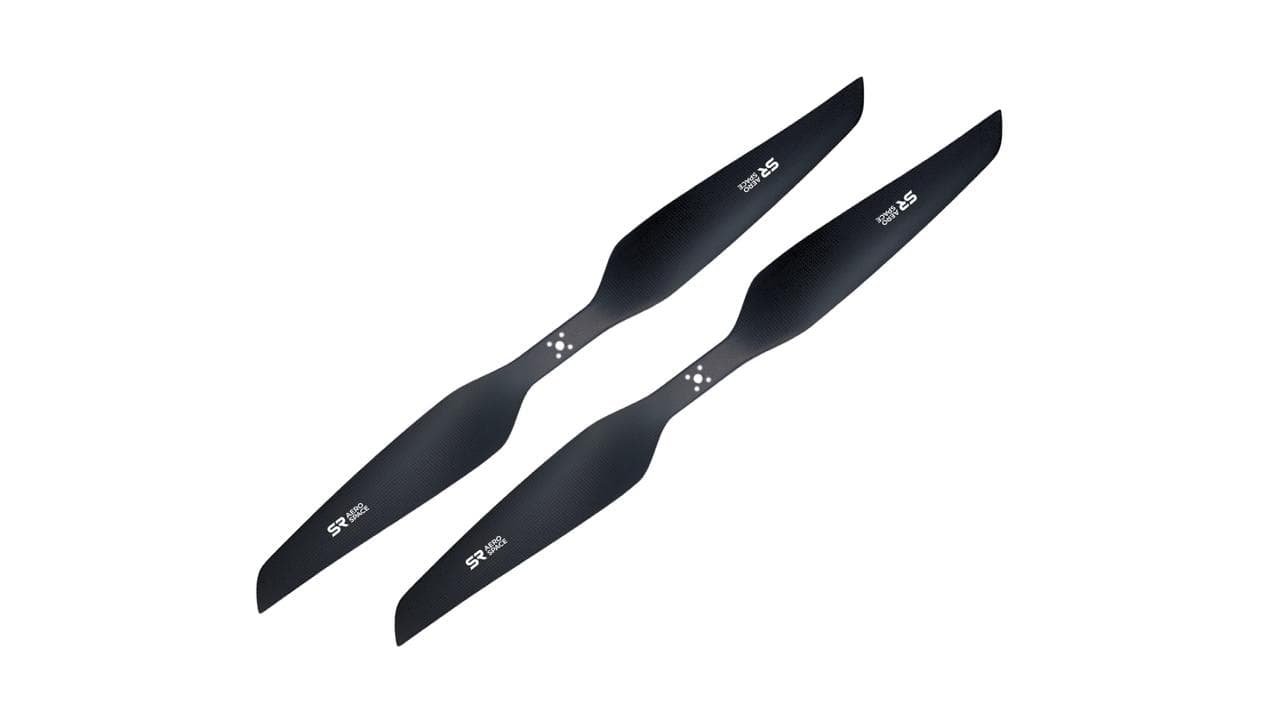
In the fast-paced world of drone technology, drone propellers are among the most crucial components. Whether you’re a hobbyist capturing stunning aerial shots or a professional using UAVs for intricate tasks, getting to grips with the details of drone propellers can really boost your drone’s performance and lifespan. With the growing demand for top-notch drone parts, there’s also an increasing need for cutting-edge manufacturing techniques that prioritize both performance and environmental resilience.
The Importance of Drone Propellers in UAV Performance
Drone propellers truly are the unsung heroes of the UAV (Unmanned Aerial Vehicle) world, responsible for generating the thrust necessary to lift and control the drone. The design and materials of these propellers can have a significant impact on a drone’s efficiency, stability, and noise levels. As technology advances, the focus has turned to optimizing propellers to get the most out of UAVs.
Material Science: The Backbone of High-Quality Drone Propellers
The materials used in drone propellers play a vital role in how well they perform. While traditional materials like plastic have dominated the market, more advanced composites, such as carbon fiber, are now coming to the forefront. These innovative materials offer remarkable strength-to-weight ratios, which are essential for improving a drone’s flight dynamics and overall efficiency.
Benefits of Advanced Materials:
– Lightweight Design: Helps to reduce the overall payload, leading to increased battery life and longer flight times.
– Durability: Better resistance to environmental stressors like wind and impacts.
– Flexibility: Can handle high rotational speeds without warping.
By focusing on material science, manufacturers can create drone propellers that not only enhance performance but also extend the UAV’s lifespan, bringing real benefits to both enthusiasts and professionals.
Performance Optimization: Custom Solutions for Diverse Needs
Every drone application comes with its own set of requirements, and that includes what it needs from its propellers. Custom OEM solutions allow manufacturers to create drone components that are specifically designed to meet the unique needs of their clients, ensuring peak performance across various applications. This is particularly advantageous for industry professionals who need precision and reliability in their work.
Key Considerations for Custom Propellers:
1. Blade Design: Essential for lift and maneuverability, with different designs suited for racing drones versus those meant for photography.
2. Pitch and Diameter: Directly affect the speed and thrust capabilities of the drone.
3. Balance and Weight Distribution: Crucial for minimizing vibrations and improving flight stability.
Custom solutions allow for addressing these vital aspects, ensuring that each drone is perfectly equipped for its intended purpose, whether for leisure or commercial use.
Environmental Resilience: Building Drones for the Future
As drones increasingly navigate a wide range of environments—from bustling cities to remote wilderness areas—the need for components that can withstand these challenges is paramount. Propellers must be designed to handle everything from temperature changes to moisture and debris.
Strategies for Enhanced Resilience:
– Corrosion-Resistant Coatings: Guard against moisture and chemical exposure.
– Impact-Absorbing Materials: Help minimize damage from collisions and rough landings.
– High-Temperature Tolerance: Ensure performance in extreme weather conditions.
By incorporating these characteristics, manufacturers can create drone propellers that are more than just functional; they can endure the demands of the real world, providing users with reliability and peace of mind.
Future Trends in Drone Propeller Technology
The future of drone propellers is ripe for exciting innovations as technology advances. We’re starting to see trends like smart materials and IoT (Internet of Things) integration for real-time performance monitoring, which promise to enhance the capabilities and applications of UAVs even further.
Potential Developments:
– Smart Materials: Adapt to varying conditions to ensure optimal performance.
– IoT Integration: Offers insights into propeller health and efficiency, paving the way for predictive maintenance.
– Eco-Friendly Manufacturing: Emphasizes sustainability and aims to reduce the carbon footprint of production processes.
These trends not only showcase the potential for improved drone performance but also stress the importance of responsible manufacturing practices that prioritize environmental sustainability.
In conclusion, drone propellers are more than just components; they are the linchpin of what makes UAVs capable of fulfilling their potential. By staying informed about the latest advancements in material science, performance optimization, and environmental resilience, both drone enthusiasts and industry experts can explore new horizons in drone technology. As the industry keeps evolving, being adaptable and knowledgeable will be vital in fully realizing the capabilities of these fantastic machines.
