

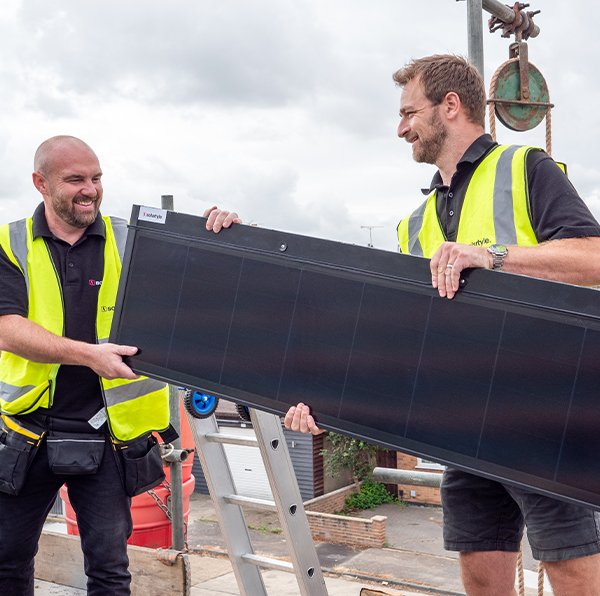
A few years ago, most homeowners looking at solar had one picture in mind. Large black panels fixed on top of the roof, visible from the street, practical but not exactly attractive. That picture is starting to change across the UK.
Roof design matters more now than it used to. Homeowners want energy efficiency, but they also care about how their property looks once the work is finished.
That shift is pushing more interest towards Solar Roof Slates in UK, especially among people renovating older homes or building new ones from scratch.
The appeal is fairly easy to understand. Solar Roof Slates blend into the roof itself instead of sitting above it like an add-on.
From a distance, many installations barely stand out. On slate properties or modern builds, the finish feels cleaner and far more intentional. You can see why architects and developers are leaning in that direction.
Homeowners are thinking long term now
Energy bills played a huge role in changing buyer behaviour over the last few years. People are paying closer attention to running costs than they did before. Short-term fixes are losing appeal. Property upgrades that lower future expenses are getting more attention instead.
That has worked in favour of Solar Energy Roof Tiles. A homeowner replacing an ageing roof already faces major labour costs, scaffolding, and material expenses.
Adding integrated solar during the same project often feels more sensible than installing traditional panels later. One project. One installation process. Less disruption overall.
That thinking is becoming more common in 2026, particularly across suburban developments and higher-value residential areas.
The appearance makes a difference
Not every homeowner likes the look of standard solar panels. Some tolerate them because they want the savings. Others avoid solar entirely because they feel the roof loses character once panels are installed.
Integrated Solar Roof Slates solve part of that problem. The roof keeps a flatter, more refined appearance. Lines stay cleaner. Older properties keep more of their original style, which matters in parts of the UK where traditional architecture still shapes planning decisions.
Even newer homes benefit. Developers want properties to feel modern without looking overly technical or industrial. Flush solar roofing helps create that balance.
Better technology has changed confidence
Early versions of integrated solar roofing struggled to convince people. Efficiency concerns came up often. Installation options felt limited too. That hesitation has eased quite a bit.
Manufacturers have spent the last few years improving durability, power output, and weather resistance. Modern Solar Energy Roof Tiles are designed to cope with British rain, wind, and changing temperatures without looking bulky or out of place.
The market itself feels more mature now. Buyers no longer see solar roofing as experimental technology. It is starting to feel normal, which probably matters more than anything else.
Conclusion
People are thinking differently about energy security in 2026. Generating electricity at home no longer feels like a niche environmental choice. For plenty of households, it has become a practical financial decision.
That does not mean every homeowner is trying to live off-grid. Most simply want more control over monthly costs and less dependence on rising electricity prices. Solar Roof Slates in the UK fit neatly into that shift.
For homeowners planning a roof replacement or a new-build project in 2026, Solartyle offers an option that combines energy generation with a roof that still looks like it belongs on the property.
