

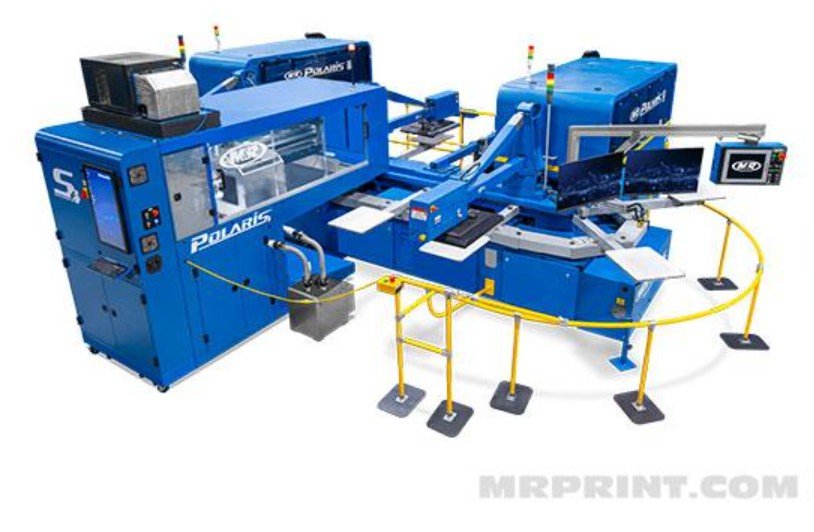
Buying a direct to garment printer can feel exciting, but one wrong choice can slow your printing operation down fast. Many buyers focus only on price, print speed, or machine size. Then they discover issues with pretreatment, labor, maintenance, or production flow later.
That mistake gets expensive. This post helps you avoid the most common buying errors, compare systems more clearly, and choose equipment that supports real garment production needs, not just impressive product specs.
Smarter Buying Starts With Workflow
Many buyers compare machines like they compare gadgets. They look at resolution, speed, and price first. Those things matter, of course. Still, they do not tell the whole story.
A strong DTG setup should support artwork preparation, pretreatment, garment loading, printing, curing, and quality checks. If one part feels clunky, the whole process slows down. So, before you buy, map your current production flow. Then, ask where the new equipment will remove delays.
The goal is simple. You want a system that improves output without creating extra stress for operators. That means fewer unnecessary touches, better garment handling, and more consistent print results. Additionally, look at support, training, and parts access before making a final choice. A printer that looks affordable today may cost more tomorrow if it creates downtime.
Mistake 1: Choosing a Direct to Garment Printer by Price Alone
Price matters, but it should not control the full decision. A low-cost machine may look attractive at first. Yet it can become costly if it lacks production strength, support, or workflow-friendly features. Instead, buyers should think about total value.
Start by asking practical questions. Can the system handle your daily volume? Does it support the shirt colors and garment types you print most? How many operators will it require? Also, how easy is routine maintenance? These questions reveal the real cost of ownership.
A direct to garment printer should help you produce better-quality prints with a smoother workflow. So, avoid buying only because a machine fits the budget.
- Check how it performs during real production.
- Review ink usage, pretreatment needs, software flow, and curing requirements.
- Finally, consider service support.
A slightly higher investment can make sense when it protects uptime, quality, and long-term production control.
Mistake 2: Ignoring Pretreatment and Garment Preparation
Pretreatment often gets overlooked during the buying process. However, it directly affects color vibrancy, wash durability, and overall print consistency. If pretreatment happens separately and manually, you may need extra labor, floor space, and quality checks. That can weaken the workflow.
Look for systems or setups that make pretreatment easier to manage. Some industrial DTG platforms include onboard pretreatment or production-focused garment preparation features. These details matter because they reduce handling and help operators keep jobs moving.
Also, garment surface preparation should not feel like an afterthought. Fibers need proper control before printing, especially when shops want sharp artwork and clean color. Therefore, ask how the equipment prepares garments before the ink hits the fabric. A printer may produce great samples, but daily production needs repeatable results. In short, the best purchase supports the full print process, not only the moment of printing.
Mistake 3: Comparing Specs Without Comparing Production Reality
Product sheets can be helpful. Still, they can also mislead buyers when read alone. One machine may promise fast printing, while another may offer stronger workflow control. The better choice depends on your shop’s real needs.
Use this table as a simple buying check:
| Buying Area | Common Mistake | Better Question to Ask |
| Print speed | Looking only at top speed | Can it sustain output all day? |
| Pretreatment | Treating it as separate | Does the setup reduce extra touches? |
| Labor | Forgetting operator needs | How many people must run it well? |
| Garment range | Testing only basic shirts | Can it handle common customer orders? |
| Support | Checking only warranty length | Is help available when production stops? |
Mistake 4: Forgetting About Support After Installation
Many buyers think the purchase ends when the machine arrives. In reality, installation starts the relationship. Your team may need training, maintenance guidance, parts, and technical help. Without support, even strong equipment can become stressful.
Before choosing any DTG system, ask how support works.
- Is technical help easy to reach?
- Are parts and supplies available online?
- Does the company support customers beyond normal business hours?
These questions matter because print shops cannot afford long stoppages.
Also, think about operator confidence. When your team understands the machine, they work faster and make fewer errors. Good support helps them reach that point sooner. Additionally, it protects your investment as order volume grows. A direct to garment printer is not just a machine purchase. It is a production decision that affects people, deadlines, and customer satisfaction every day.
Conclusion
Buying DTG equipment becomes easier when you focus on workflow, not just specs. Price, speed, and resolution matter, but they should never stand alone. You also need to consider pretreatment, garment handling, operator needs, service access, and long-term reliability.
So, before choosing a system, compare how each option supports your daily process. Look for equipment that helps your printing business produce better results, move faster, and stay organized.
Explore the available DTG printing solutions today and choose a setup built for quality, consistency, and confident production growth.
