

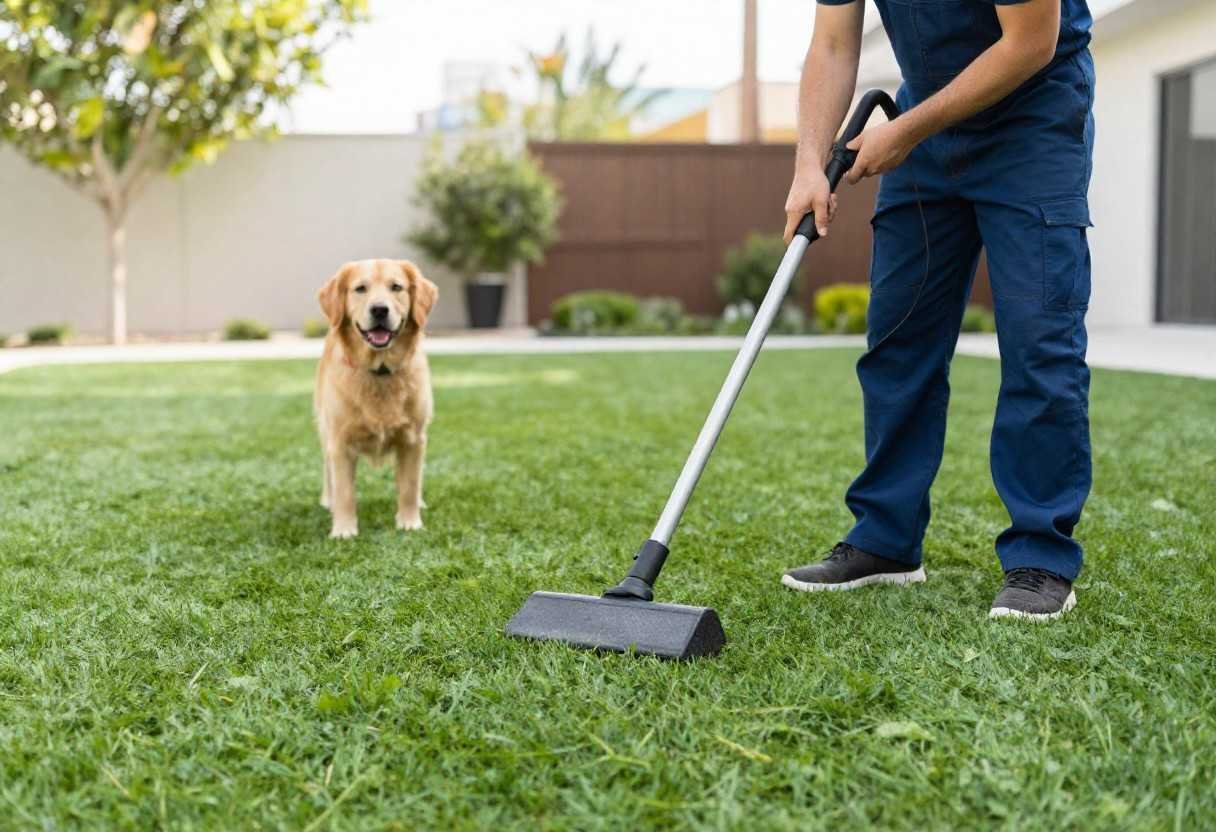
Artificial turf has become a popular choice for dog owners because it stays green year-round, requires less maintenance than natural grass, and provides a durable play surface for pets. However, many homeowners quickly discover that artificial turf still needs regular care—especially when dogs use it every day.
One of the most common questions pet owners ask is: How often should artificial turf be cleaned if you have dogs? The answer depends on several factors, including the number of dogs, how frequently they use the area, local weather conditions, and the type of turf installed.
At Doggy Turf Detox, we help pet owners maintain cleaner, healthier, and odor-free outdoor spaces. In this guide, we’ll explain the ideal cleaning schedule for pet turf and how professional maintenance can keep your lawn looking and smelling fresh all year long.
Why Artificial Turf Needs Regular Cleaning
Many people assume artificial turf is maintenance-free. While it’s certainly easier to care for than natural grass, dog waste can create problems if not addressed regularly.
Urine can seep into the turf backing and infill, leading to unpleasant odors and bacterial buildup. Solid waste may leave residue behind even after removal. Over time, dirt, pet hair, and organic debris can accumulate within the turf fibers, reducing drainage efficiency and creating an unhealthy environment.
Regular cleaning helps:
- Eliminate pet odors
- Reduce bacteria and germs
- Improve drainage performance
- Extend the lifespan of your turf
- Maintain a clean and attractive appearance
- Create a safer outdoor space for pets and family members
A consistent cleaning routine prevents minor issues from turning into costly problems later.
Daily and Weekly Maintenance for Dog Owners
For households with dogs, daily maintenance is the first line of defense against odor and contamination.
Daily Tasks
Remove solid waste as soon as possible. Leaving waste on the turf allows bacteria to spread and odors to develop. Prompt removal keeps the surface cleaner and reduces staining risks.
If possible, lightly rinse urine spots with water, especially during hot weather. This simple habit helps dilute urine salts before they accumulate in the turf system.
Weekly Tasks
At least once a week:
- Rinse the entire turf area with water
- Remove leaves and debris
- Brush turf fibers to maintain appearance
- Check for areas where odors may be developing
Homes with multiple dogs may need more frequent rinsing, particularly during summer months when heat intensifies odors.
How Often Should Artificial Turf Be Deep Cleaned?
While daily and weekly maintenance is essential, it isn’t enough to fully remove bacteria, embedded waste residue, and odor-causing contaminants.
For most dog owners, a professional deep cleaning should be performed every 4 to 8 weeks.
The ideal schedule depends on usage:
One Dog
If you have a single dog using the turf regularly, a professional cleaning every 6 to 8 weeks is usually sufficient.
Two to Three Dogs
For households with multiple dogs, consider scheduling an artificial turf cleaning service every 4 to 6 weeks to prevent odor buildup and maintain sanitation.
Four or More Dogs
Heavy-use turf areas often benefit from monthly professional cleaning to ensure waste contaminants don’t accumulate within the turf system.
Dog daycare facilities, boarding centers, and pet-friendly commercial properties may require even more frequent service.
Signs Your Turf Needs Cleaning Sooner
Sometimes your artificial turf may need attention before the next scheduled cleaning.
Watch for these warning signs:
Persistent Odors
If you notice a urine smell even after rinsing the turf, contaminants have likely penetrated deeper into the infill and backing layers.
Reduced Drainage
Standing water after rainfall or rinsing may indicate debris buildup within the drainage system.
Visible Residue
Discoloration, sticky spots, or visible waste residue suggest the turf requires a more thorough cleaning.
Increased Insects
Flies and other pests are often attracted to waste buildup and lingering odors.
Matted Turf Fibers
Heavy pet traffic can compress turf fibers, making the lawn look worn and less appealing.
Addressing these issues early helps maintain a cleaner and healthier outdoor environment.
The Benefits of Professional Artificial Turf Cleaning
While homeowners can handle basic maintenance, professional cleaning offers a deeper level of care that standard rinsing cannot achieve.
A professional artificial turf cleaning service typically includes:
- Removal of pet waste residue
- Deep cleaning of turf fibers
- Odor neutralization treatments
- Infill decompaction
- Bacteria reduction
- Drainage system inspection
- Turf grooming and brushing
Specialized equipment allows technicians to clean below the surface where odor-causing contaminants often hide.
Professional cleaning also helps preserve your investment. Artificial turf can last 15 to 20 years or longer when properly maintained, making routine service a smart long-term strategy.
Why Houston Dog Owners Need More Frequent Cleaning
Climate plays a major role in determining cleaning frequency.
For homeowners seeking artificial turf cleaning Houston services, local weather conditions create unique challenges.
Houston’s warm temperatures and high humidity can accelerate bacterial growth and intensify pet odors. Frequent rain can also wash contaminants deeper into the turf system, while hot summer conditions amplify urine smells.
Because of these environmental factors, many Houston pet owners benefit from professional turf cleaning every 4 to 6 weeks, even if they have only one or two dogs.
Regular maintenance helps prevent odor issues before they become noticeable and keeps outdoor spaces comfortable throughout the year.
Create a Customized Cleaning Schedule for Your Pet Turf
There is no universal cleaning schedule that works for every household. The best approach is to evaluate:
- Number of dogs
- Size of the turf area
- Daily pet activity levels
- Local weather conditions
- Presence of odor issues
- Drainage performance
As a general rule:
- Remove waste daily
- Rinse weekly
- Deep clean monthly or every 6–8 weeks
- Schedule professional maintenance regularly
Following this routine will keep your turf cleaner, fresher, and safer for everyone who uses it.
Final Thoughts
Artificial turf offers tremendous benefits for dog owners, but regular maintenance is essential to protect its appearance and performance. Consistent waste removal, weekly rinsing, and scheduled deep cleaning can dramatically reduce odors and improve hygiene.
For the best results, many pet owners rely on professional services from Doggy Turf Detox to ensure their turf remains clean, sanitary, and odor-free throughout the year. Whether you have one dog or several, investing in routine care will extend the life of your turf and create a healthier outdoor environment for your pets.
If you’re looking for a reliable artificial turf cleaning service or need expert artificial turf cleaning Houston solutions, maintaining a regular cleaning schedule is the key to enjoying a beautiful, fresh-smelling lawn every season.
