

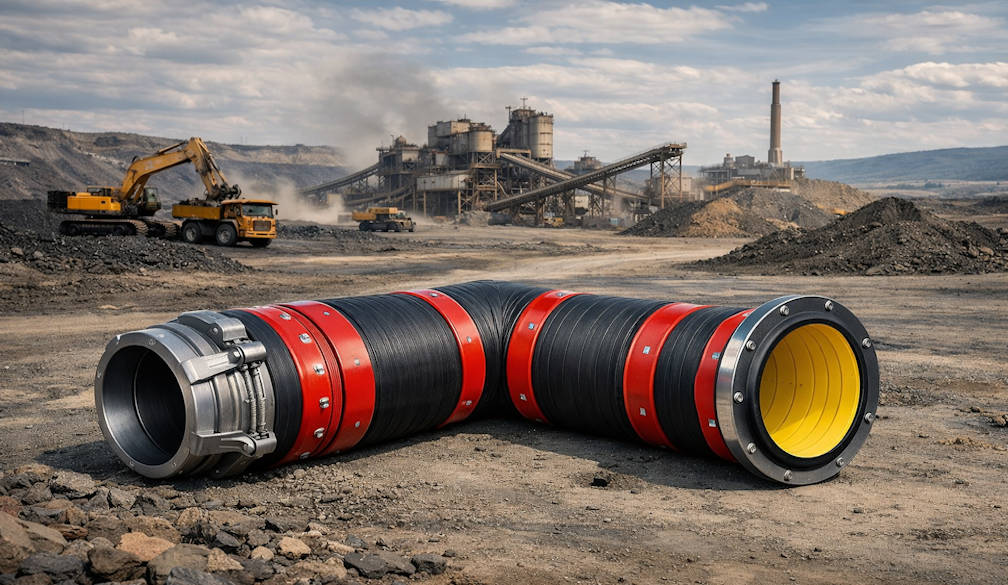
Mining operations place significant demands on equipment, particularly when transporting abrasive materials such as slurry, tailings, sand, gravel, and mineral concentrates. Hoses used in these environments are exposed to constant wear, high pressures, and challenging operating conditions. Selecting the right mining hose is essential for maintaining productivity, reducing downtime, and ensuring safe material transfer throughout the site.
The performance of Material Handling slurry hoses can have a direct impact on operational efficiency. A hose that is not suited to the application may experience premature wear, blockages, leaks, or failure, resulting in costly maintenance and production interruptions. Understanding the key factors involved in hose selection can help mining operators maximise service life and improve overall system reliability.
Key Factors to Evaluate When Choosing Mining Hoses
Understand the Material Being Transported
The first consideration when selecting a mining hose is the type of material it will carry. Different materials create varying levels of abrasion, impact, and wear. Fine mineral slurries may cause continuous erosion over time, while larger particles and aggregates can generate significant impact forces inside the hose.
Factors to assess include:
- Particle size and shape
- Material density
- Solids concentration
- Flow velocity
- Chemical composition
Highly abrasive materials require hoses with specialised wear-resistant inner linings designed to withstand constant friction. Understanding the characteristics of the material helps ensure the hose can perform effectively under operating conditions.
Consider Abrasion Resistance
Abrasion is one of the leading causes of hose failure in mining applications. Continuous contact between abrasive particles and the hose interior gradually removes material from the lining, reducing its thickness and structural integrity.
When evaluating abrasion resistance, look for hoses specifically engineered to handle aggressive slurry and bulk material transfer. The lining material should be capable of resisting both sliding and impact abrasion while maintaining flexibility and durability.
A hose with superior abrasion resistance can significantly reduce replacement frequency and maintenance costs over its service life.
Assess Pressure Requirements
Mining systems often operate under demanding pressure conditions. Selecting a hose with the appropriate pressure rating is critical for safe and reliable performance.
Important considerations include:
- Normal operating pressure
- Maximum pressure spikes
- Pump discharge pressure
- Vacuum requirements
- Safety factors
Choosing a hose with insufficient pressure capacity can increase the risk of leaks, bulging, or catastrophic failure. The selected hose should comfortably handle both routine operating conditions and unexpected pressure fluctuations.
Evaluate Hose Flexibility
Flexibility plays an important role in mining hose performance. Hoses are frequently installed in confined spaces, connected to mobile equipment, or routed around obstacles.
A flexible hose offers several advantages:
- Easier installation
- Reduced stress on fittings
- Improved handling during maintenance
- Better adaptation to equipment movement
However, flexibility must be balanced with durability. Excessively rigid hoses may be difficult to install, while overly flexible designs may be more susceptible to kinking or deformation if not properly supported.
Examine Temperature Conditions
Mining operations can expose hoses to extreme temperatures. Environmental conditions, process temperatures, and material characteristics all influence hose performance.
High temperatures may accelerate wear and material degradation, while extremely cold conditions can reduce flexibility and increase brittleness. Selecting a hose designed for the site’s expected temperature range helps ensure consistent performance throughout the year.
Operators should consider both internal fluid temperatures and external environmental conditions when evaluating hose suitability.
Review Reinforcement Construction
The reinforcement layer provides structural strength and pressure resistance. Depending on the application, mining hoses may incorporate textile, steel, or synthetic reinforcement materials.
The reinforcement design influences:
- Pressure capacity
- Flexibility
- Weight
- Resistance to collapse
- Overall durability
Heavy-duty applications involving long-distance slurry transport or high-pressure systems may require stronger reinforcement structures to maintain hose integrity under demanding conditions.
Check Compatibility with Mining Equipment
A mining hose must integrate seamlessly with existing equipment and infrastructure. Compatibility issues can lead to installation challenges, leaks, or reduced operational efficiency.
Key aspects to verify include:
- Hose diameter
- Connection type
- Coupling compatibility
- Bend radius requirements
- System flow rates
Proper sizing is particularly important. An undersized hose may restrict flow and increase wear rates, while an oversized hose may create unnecessary costs and handling difficulties.
Prioritise Safety and Reliability
Safety remains a critical consideration in any mining environment. Hose failures can result in production losses, environmental incidents, equipment damage, and potential risks to personnel.
Selecting a high-quality hose designed for the specific application helps minimise these risks. Operators should also implement regular inspection and maintenance programs to identify wear before it leads to failure.
Signs that may indicate hose deterioration include:
- Excessive abrasion
- Cracking or splitting
- Bulging sections
- Leaks around fittings
- Reduced material flow
Proactive monitoring helps extend hose life and maintain safe operating conditions.
Consider Total Lifecycle Costs
While purchase price is often a factor in procurement decisions, focusing solely on initial cost can be misleading. A lower-cost hose may require more frequent replacement, increased maintenance, and additional downtime over its lifespan.
Evaluating total lifecycle costs provides a more accurate assessment of value. Factors to consider include:
- Expected service life
- Maintenance requirements
- Downtime costs
- Replacement frequency
- Installation labour
Investing in a hose designed for the application’s specific demands often delivers greater long-term savings through improved durability and reduced operational disruptions.
Final Thoughts
Selecting mining hoses for abrasive materials requires careful evaluation of operating conditions, material characteristics, pressure demands, and wear resistance requirements. A well-chosen hose can improve productivity, reduce maintenance costs, and support safer operations across the mining site.
By considering factors such as abrasion resistance, pressure capacity, flexibility, reinforcement design, temperature tolerance, and lifecycle costs, mining operators can make informed decisions that enhance performance and maximise the longevity of their material handling systems.
